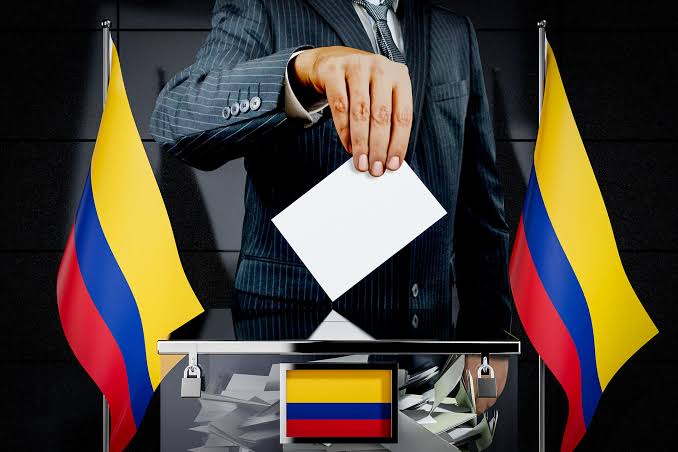
Colombia is holding the second round of its presidential election — the main electoral event of the day in Latin America. Voters are choosing between right-wing candidate Abelardo de la Espriella and left-wing senator Iván Cepeda.
The runoff has turned into a clash between two different visions for Colombia’s future: a tougher security-first approach against crime and armed groups, versus the continuation of dialogue, social reforms and the peace agenda.
In the first round, de la Espriella won around 43.7% of the vote, while Cepeda received about 40.9%. Since neither candidate secured an absolute majority, the election moved to a second round on June 21.
Why the election matters
Colombia is voting amid growing concerns over violence, organized crime, armed groups and the future of the peace process. The result could determine whether the country shifts toward a tougher law-and-order strategy or continues with a left-wing reform agenda.
De la Espriella has built his campaign around promises to restore order, strengthen security and take a harder line against criminal networks and armed groups.
Cepeda, meanwhile, supports continued dialogue with armed groups, deeper social reforms and the protection of the political legacy of outgoing left-wing President Gustavo Petro.
What is at stake
The outcome could reshape Colombia’s domestic policy and send a broader political signal across Latin America. A victory for de la Espriella would mark a major right-wing comeback in one of the region’s key countries. A win for Cepeda would give the Colombian left a chance to preserve power and continue Petro’s political project.