Hong Kong has never had the luxury of abundant land for development. A small territory supporting a large and highly urbanised population must constantly make difficult choices about housing, transport and infrastructure. This is especially true when every decision carries an environmental cost that is often irreversible. Yet the way forward is not to stand still, but to ensure that development is necessary, properly designed and compatible with the protection of the city’s natural heritage.
The gain is substantial. However, speed alone should not be the ultimate goal. Equally essential is accuracy and reliability. There have been legal challenges against the findings of some key environmental impact assessments in the past, resulting in prolonged litigation and delays in implementing key infrastructure projects.
The real test is whether AI enables Hong Kong to reach decisions that are both efficient and environmentally sound. Unlike some policies and measures that can be tweaked or withdrawn, the damage caused by poorly designed and implemented infrastructure projects often cannot be undone. AI must therefore be used to strengthen scientific and objective assessments rather than to justify short cuts and administrative efficiency.
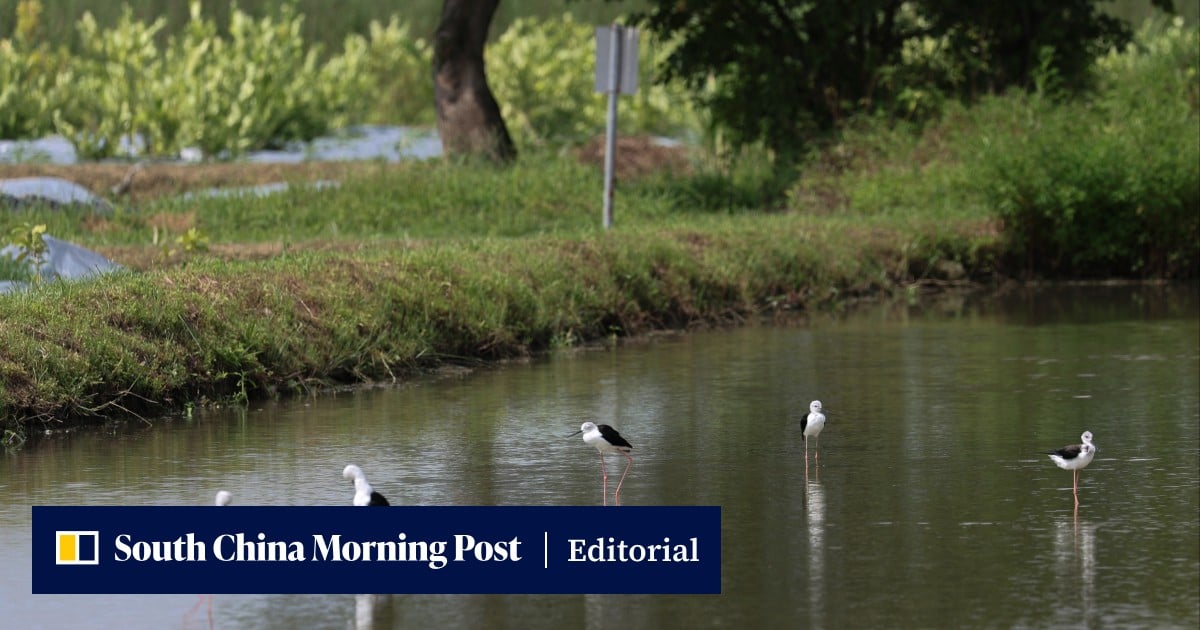
Hong Kong’s rich biodiversity has made the job more challenging. Despite its reputation as a forest of glitzy skyscrapers and concrete towers, the city contains a remarkable variety of habitats, including a thousand kilometres of rugged coastline, mountain ranges, country parks and wetlands. There are 25 country parks and 22 special conservation areas, covering about 40 per cent of the territory’s total land mass. Some 3,300 plant species, 55 terrestrial mammal species, 116 species of amphibians and reptiles, 203 freshwater fish species, 135 dragonfly species and 249 butterfly species make their homes here. The city also boasts one third of the total bird species in China, with over 580 species recorded.