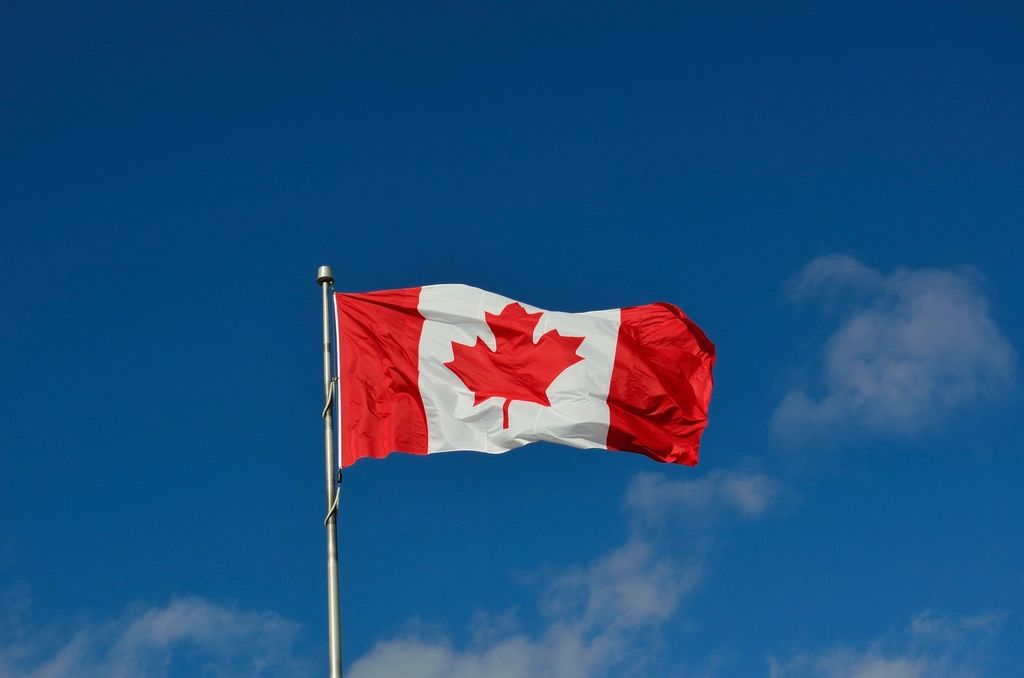
For eighteen months, the cross-border relationship between Canada and the United States has been unraveling in slow motion, and this past weekend it snapped into a much sharper break. Trade talks between Washington and Ottawa collapsed late on a Friday night in August, triggering a fresh round of steep tariffs and Canadian retaliation that many in the tourism industry had hoped to avoid. The timing could hardly be worse for an industry still trying to recover from a year of plunging Canadian visitation, canceled flights, and empty hotel rooms in towns that once relied on northern neighbors for their livelihoods.
What started as a political spat over tariffs and rhetoric about Canada becoming the “51st state” has evolved into something closer to a structural shift in how Canadians travel. Millions who used to cross the border for weekend shopping, snowbird winters, or Las Vegas weekends are simply staying home or heading elsewhere. Now, with negotiations broken down again and new 50 percent tariffs in effect on a wide range of goods, the modest signs of stabilization that had appeared earlier this summer look increasingly fragile.
A Trade Dispute That Reignited Overnight

A Trade Dispute That Reignited Overnight (Image Credits: Unsplash)
The latest flashpoint centers on Section 338 of the U.S. Tariff Act of 1930, a rarely used provision that Trump threatened to invoke to hit a slew of Canadian goods with additional 50% duties, including alcohol, hockey equipment, cement and dairy products, a step no president had taken since the law became law in 1930[1]. Washington briefly postponed the deadline after signaling a deal was close, but talks did not hold, and U.S. Trade Representative Jamieson Greer said Canada had made last-minute demands that upset the pact, according to Bloomberg[1].
Canadian Prime Minister Mark Carney told a different story, saying Canada had suspended the negotiations after the United States altered terms late in the process. The 50% duties went into effect at the stroke of midnight, and Carney said Canada would match those tariffs dollar for dollar[2]. He did not mince words about how he views the moment, telling reporters “You’re at war when you get attacked. We got attacked.”[3] Ottawa has said retaliatory tariffs will begin on September 8, targeting dairy, appliances, agricultural equipment, pulp and paper, and electronics.
The Numbers Behind the Canadian Pullback

The Numbers Behind the Canadian Pullback (Image Credits: Unsplash)
Long before this weekend’s breakdown, the data already told a stark story. A Canadian government report released in late July found that Canadian travel to the U.S. fell 25% last year, with early 2026 data showing the decline has persisted[4]. Statistics Canada’s year-in-review noted that the pullback in stateside travel, down 23.5%, or 7.1 million visits compared with 2024, was almost entirely offset by the combination of domestic and overseas travel[5].
The spending side of the ledger looks just as grim for American businesses. Canadians spent C$3.3 billion less on trips to the U.S. in 2025, with lower leisure travel accounting for most of the decline, and travel spending on visits to the U.S. fell to C$18.8 billion, down from C$22.1 billion in 2024[4]. Perhaps most telling is the duration of the slump. Statistics Canada says Canadians’ return trips from the U.S. declined year over year for 11 consecutive months in 2025, the longest sustained decline outside the pandemic since digital records began in 1972[4].
A Boycott Rooted in Politics, Not Just Prices

A Boycott Rooted in Politics, Not Just Prices (Image Credits: Unsplash)
Economists have been careful to separate this from an ordinary currency-driven slowdown. Research from three economists studying the phenomenon found that Canadian visits to the U.S. fell by about 25% in 2025 relative to 2023–24 levels, amid Trump’s rhetoric about acquiring its northern neighbor and escalating tariffs[6]. Polling backs up the political explanation. A Leger survey found that 67 per cent of those who decided to boycott travel to the U.S. in 2026 have done so because of the political climate and tensions between the two countries[7], though the report notes an expensive U.S. dollar has made the decision easier for many.
Sentiment data suggests the mood has not softened. A Blue Cross Travel Study surveying more than two thousand Canadians found that 76% of Canadian travelers say they are less inclined to include the U.S. in their travel plans in 2026, a 29-point jump from the previous year[8]. The grassroots “Buy Canadian” and “Elbows Up” movements that emerged in early 2025 appear to have staying power rather than fading as a short-lived protest.
Border Towns Feel the Deepest Cuts

Border Towns Feel the Deepest Cuts (Image Credits: Pexels)
Nowhere is the pain more concentrated than in the small communities that line the 5,500-mile frontier. A Joint Economic Committee report found that in 2024, Canadian tourism contributed $20.5 billion to the U.S. economy and supported 140,000 American jobs[9], and that from January to October 2025, the number of passenger vehicles crossing the U.S.-Canada border declined by nearly 20 percent compared to the same time period in 2024[9].
The human cost shows up in testimony from shop owners near the border. One New Hampshire store owner described the situation bluntly, saying “When our neighbors stay away, our margins disappear… The friction at the border is no longer just a headline; it is an empty parking lot and a threat to our livelihood.”[9] Vermont has reported some of the sharpest regional declines of any state, reflecting how dependent small border economies had become on routine Canadian visits.
Las Vegas and the Sunbelt Take a Hit Too

Las Vegas and the Sunbelt Take a Hit Too (Image Credits: Unsplash)
The damage has not been confined to border regions. Las Vegas, more than two thousand miles from the nearest Canadian crossing, has felt the pinch acutely. Research from a University of Nevada economist found that Canadians contributed $3.6 billion US to the local economy last year, and Canadian spending supported some 43,000 jobs in the region[10]. The city’s official tourism authority reported that 2025 total visitation reached 38,545,700, a 7.5% decline from the previous year[11], prompting the city’s own mayor to publicly appeal for Canadians to return.
Florida, long a magnet for Canadian snowbirds, has also absorbed a real blow. Industry tracking found a 14.7% decrease in Canadian visitors in 2025, with cities like Miami, Orlando, and Tampa all reporting significant drops, while Fort Lauderdale saw a 32% drop in hotel stays by mid-2025[12]. These are not marginal tourist markets. They are metro economies that built entire seasonal business models around a reliable flow of Canadian dollars.