
In 2026, Latvia’s defense spending reached 4.73% of GDP, or about 2.16 billion euros. However, as noted by the newspaper Latvijas Avīze, it is still unclear what portion of these funds remains in the Latvian economy in the form of orders for domestic enterprises.
The publication reminds that the Defense Industry Development Strategy provides for an increase in the share of local producers in defense procurement. At the same time, it is currently impossible to determine whether the stated target of 10% has been achieved.
One of the reasons for the slow development of cooperation is the existing public procurement procedures. According to several industry representatives, these procedures hinder broader engagement of Latvian companies in fulfilling defense orders.
Member of the European Parliament Reinis Pozņaks believes that the state is still insufficiently supporting the national defense industry. At the same time, he acknowledges that the authorities have objective reasons for caution.
According to him, many Latvian defense companies have emerged relatively recently, so when procuring critical systems, the state must consider whether manufacturers can provide maintenance and support in the long term.
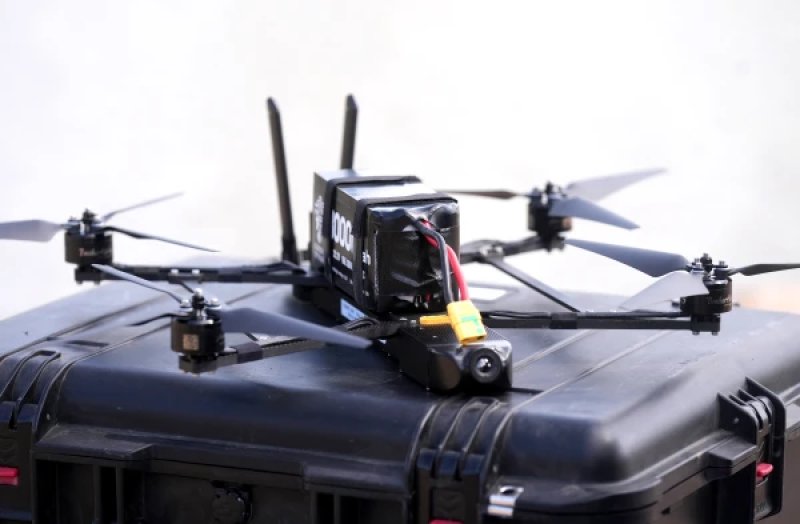
At the same time, Pozņaks believes there are companies that have already proven their reliability through work with Ukraine. This especially applies to manufacturers of FPV drones.
In his opinion, such drones need to be procured not only for combat tasks but also for training military personnel. Practical skills in operating modern drones cannot be acquired solely in classrooms — regular operation of the equipment is required for this.
The publication also reminds that Latvia allocates at least 20 million euros annually to the International Drone Coalition to support Ukraine. Additionally, over the past year, another 10 million euros have been directed towards the development of the Ukrainian drone industry.
As an example of a Latvian manufacturer, Latvijas Avīze cites the company DK Unity from the Ogre region. According to board member Vladimir Rusанов, the company has been supplying thousands of various systems to Ukraine for two years.
He reported that one of the most in-demand solutions is unmanned systems for combating armored vehicles. At the same time, the enterprise is developing interceptor drones designed to counter attacking drones, including Shahed-type devices. The company collaborates with the Ukrainian partner NEDZH, which provides technical support and interaction with end users.
The material from Latvijas Avīze reflects the ongoing discussion in Latvia about what portion of the growing defense spending should be directed towards developing its own industry alongside the procurement of foreign equipment.