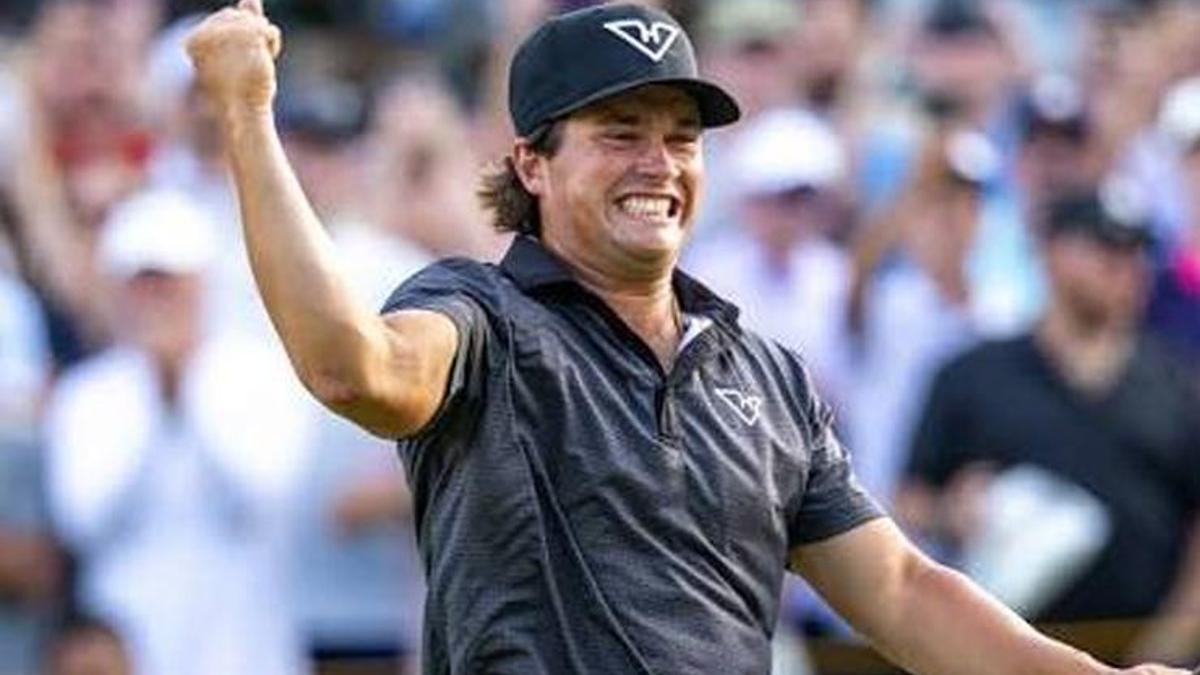
LIV Golf, the breakaway circuit that reshaped professional golf in 2022, announced on Thursday that it will move into a formal liquidation process. The decision follows a loss of financial support from major backers and the failure to secure external financing required to sustain operations beyond the current season.
Board Committee Confirms Orderly Wind-Down Strategy
Special committee members Gene Davis and Jon Zinman of the LIV Golf board confirmed in a press release that shifting toward an orderly wind-down represents the most responsible path forward. The circuit stated it will remain open to and continue evaluating third-party offers that might extract value from its asset base during the liquidation phase.
Trouble mounted for the league after Saudi Arabia’s Public Investment Fund withdrew financial backing past the 2026 season, having invested over five billion dollars since inception. A proposed three-hundred-million-dollar financing agreement with BC Partners fell through when a critical mass of notable golfers declined to commit long-term.
Player Departures and Legal History Across Professional Golf
Leading players such as former world number one Jon Rahm departed LIV Golf after the circuit filed for bankruptcy protection in September, with Rahm planning to join the DP World Tour in 2027. Meanwhile, the PGA Tour maintains a one-year suspension policy for defecting players from their last appearance on the rival circuit.
LIV Golf’s debut in June 2022 triggered intense legal battles, including antitrust litigation filed by major champions Bryson DeChambeau and Phil Mickelson accusing the PGA Tour of monopolistic practices. Despite a 2023 framework agreement intended to unify commercial entities, a proposed one point five billion dollar investment deal ultimately fell apart when the PGA Tour rejected terms requiring LIV to remain intact.
Industry Reaction and Legacy of Breakaway Circuit
PGA Tour player director Peter Malnati noted during a tournament media availability in Mexico that LIV’s economic structure faced fundamental viability issues from the start. He observed that while the circuit’s approach to the sport was unusual, its impact on the established golf landscape proved highly disruptive.
LIV Golf CEO Scott O’Neil reflected positively on the league’s tenure, characterizing the effort to build a global platform for younger and more diverse fans as a rewarding endeavor. The liquidation process marks the conclusion of a turbulent era that permanently altered professional tournament golf worldwide.