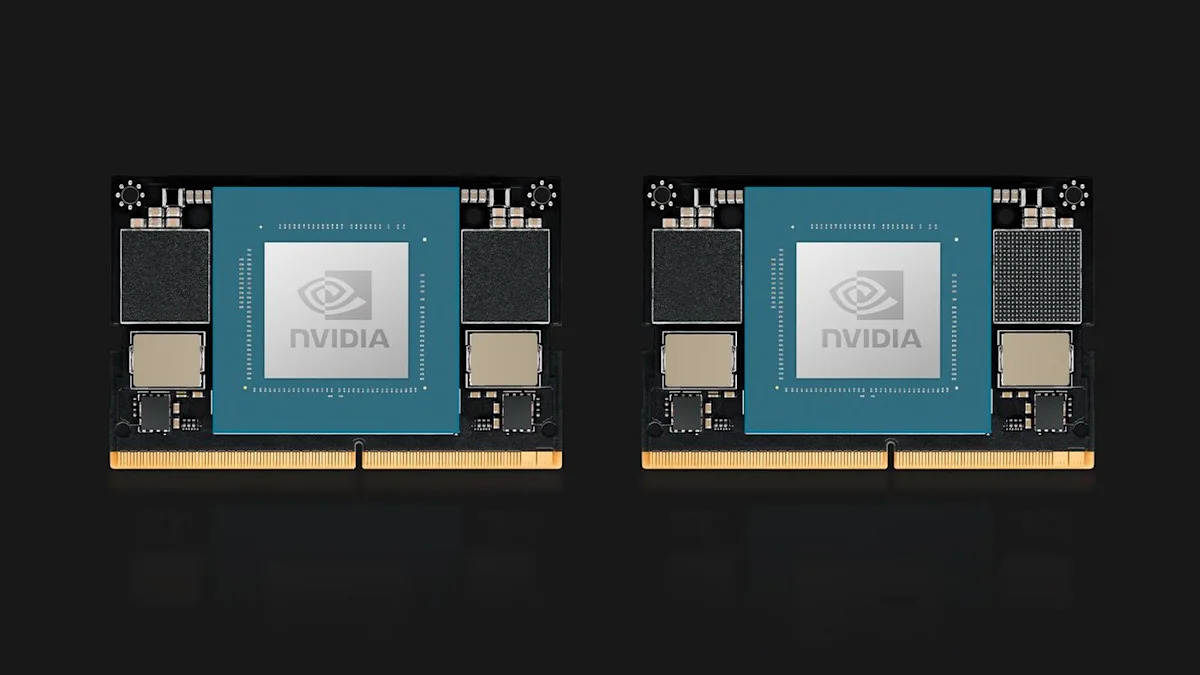
Space Exploration Technologies Corp. (NASDAQ:SPCX) sold $32 billion of bonds through a trust set up to buy Nvidia (NASDAQ:NVDA) chips on Thursday, with the largest piece paying investors a yield above 8%.
And, according to reporting from The Financial Times, the lenders involved wanted guarantees that SpaceX would keep the financed chips on terra firma, apparently worried about the logistics of repossessing chips circling the Earth at about 17,500 mph.
Missed Nvidia in 2009? This Rare Signal Is Flashing Again. In 2009, a “Double Down” signal flashed for a little-known chipmaker called Nvidia. For the first time in years, that same “Total Conviction” signal is flashing for a company 1/100th the size of Nvidia. Continue »
The stock was down 6.7% as of 11:39 a.m. ET on Friday as the whole market sees red.
How SpaceX’s Nvidia chip financing works
The bonds are part of a more than $40 billion financing package SpaceX announced in October. To try to keep the debt off its books, the financing runs through a separate entity — a trust that sells the bonds, buys the chips, and leases them to SpaceX. Similar maneuvers are increasingly common across the AI data center market as companies look for ways to deal with ballooning debt balances.
Functionally, however, SpaceX is still the one borrowing, and its quarterly lease payments are what pay the bondholders back.
The largest piece, about $25.2 billion, was priced at a yield of 8.259%. The average yield on high-grade U.S. corporate debt was 5.95% that day, so investors are being paid about 2.3 percentage points more than usual for bonds that are supposed to be relatively safe. Bonds considered “junk” were yielding an average of 8.3% that day.
Why SpaceX lenders care where the Nvidia chips end up
The loans are secured by the chips in the same way your mortgage is secured by your home. If SpaceX ever defaulted, the lenders’ fallback would be to repossess the GPUs and sell them. That’s obviously quite difficult if they’re in space. It’s not clear if the lenders were able to get anything binding in the final documents, but SpaceX says these chips are for its “terrestrial compute build-out.”
SpaceX AI revenue, capex, and when the chips arrive
The chips, destined for SpaceX data centers, are expected to start arriving in January. They’re part of the massive build-out SpaceX’s AI division is in the thick of, which has driven enormous growth on its top-line. The AI unit nearly tripled its sales between Q2 and Q3, growing revenue from $2.6 billion to $7.6 billion. Costs are high, however: the business spent $16.4 billion in capex in its Q3 — the lion’s share of the company’s overall $19.6 billion capex spend.
