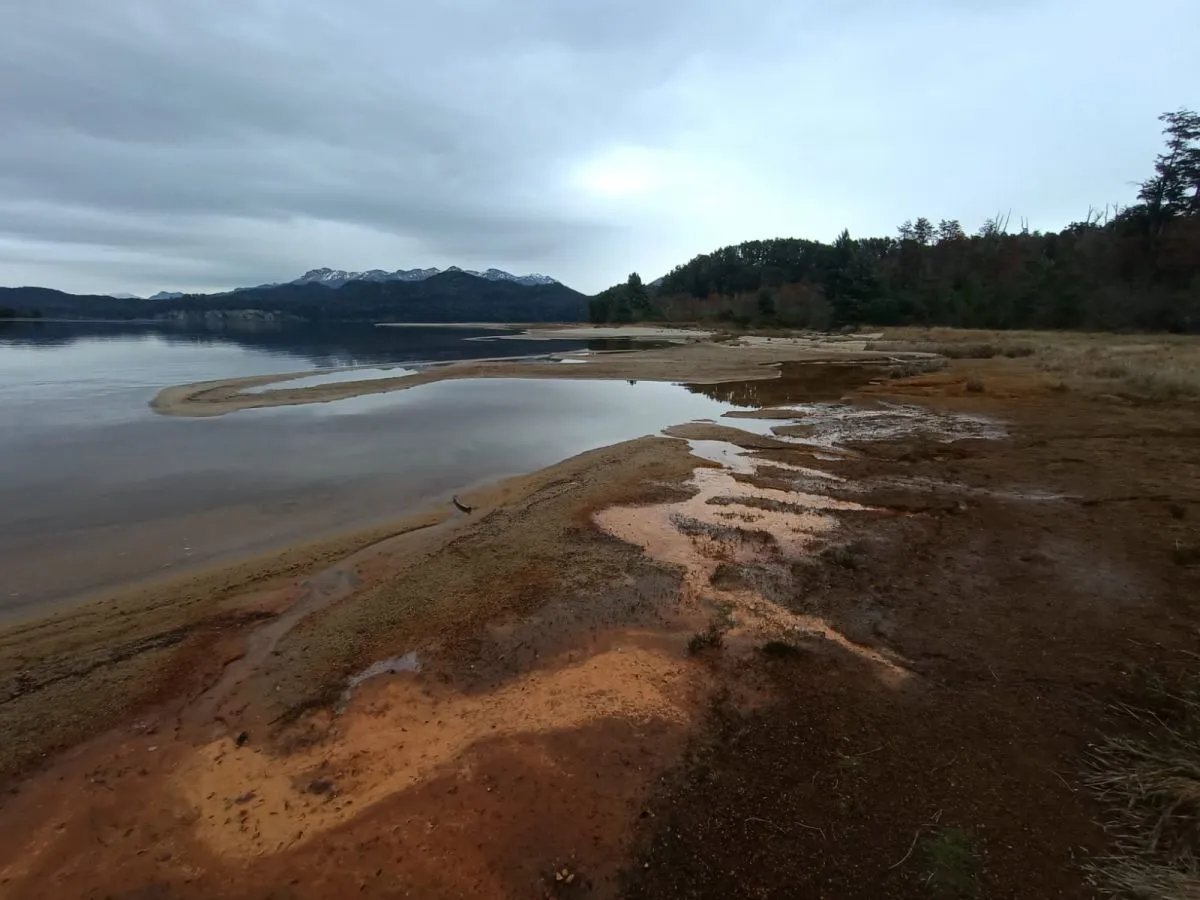
Concern over the pollution of aquatic environments in the Nahuel Huapi region prompted a request for intervention by Alberto Cervantes, who demanded immediate measures to stop the discharge of raw sewage into the Las Piedritas stream.
According to the complaint, the effluents are reaching the watercourse through a by-pass system connected to a pumping station operated by the Provincial Water and Sanitation Entity (EPAS). This situation could extend the impact towards Las Balsas bay and Lake Nahuel Huapi.
In this scenario, the resident requested that the competent authorities intervene to stop the discharges, investigate why this mechanism was used, and establish the corresponding responsibilities. He also warned about the risks that such a situation poses to public health and the environment.
The complaint also raises the need to ensure controls over sanitation systems, especially in localities where aquatic ecosystems constitute a natural heritage and an essential resource for the population.
 Sewage discharges in Lake Nahuel Huapi are reported, and measures are demanded to stop the pollution. Photo: Sitios Naturales.
The ecological wealth of Nahuel Huapi National Park
The Nahuel Huapi National Park protects a vast diversity of environments in the Andean Patagonia, with forests, mountains, wetlands, rivers, streams, and lakes. These ecosystems host native species and sustain fundamental natural processes for environmental balance.
Among its biodiversity are trees such as coihues, lengas, and arrayanes, as well as mammals like the huillín, pudú, and huemul. Numerous birds, amphibians, fish, and aquatic organisms also inhabit the area, depending on water quality and habitat conservation.
Therefore, an untreated sewage discharge can cause alterations that go beyond the discharge point. The organic matter and microorganisms present in these liquids can deteriorate water quality, promote the proliferation of bacteria, and reduce the oxygen available for aquatic life.
 Sewage discharges in Lake Nahuel Huapi are reported, and measures are demanded to stop the pollution in the region. Photo: Diario Digital Conclusión.
Risks for water and biodiversity
Moreover, the excess of nutrients can promote eutrophication processes, alter environmental conditions, and harm fish, invertebrates, and aquatic vegetation. If the pollutants reach the lake, they could also affect areas used by wildlife and human communities.
In this context, it is crucial to determine the extent of the discharge through water analysis, sanitary controls, and environmental assessments. Prevention, proper treatment of effluents, and institutional transparency are essential to protect the biodiversity of Nahuel Huapi and prevent more extensive damage.