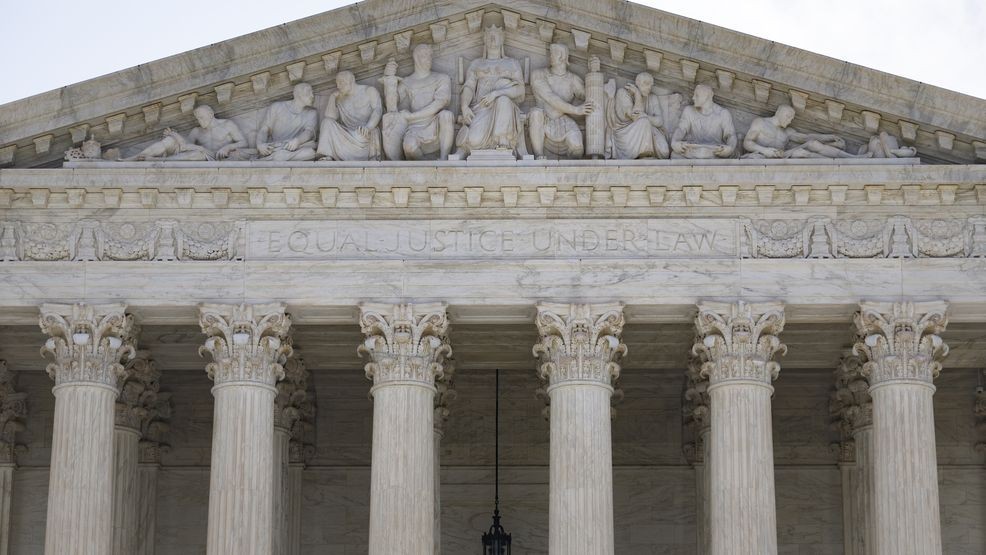
WASHINGTON (TNND) — The Supreme Court has agreed to review President Donald Trump’s effort to suspend access to asylum at the U.S.-Mexico border, setting up a major legal fight over the limits of presidential power and protections for people seeking refuge in the United States.
The administration is asking the justices to overturn lower court rulings that found Trump’s executive order unlawfully blocked migrants from applying for asylum. The order, issued on Trump’s first day back in office in January 2025, declared the situation at the southern border an “invasion” and sought to suspend entry and access to asylum for migrants covered by the policy.
Federal immigration law generally allows people physically present in the United States or arriving at the country to apply for asylum, regardless of how they entered. Applicants must still meet legal requirements to qualify for protection, including demonstrating they face persecution based on certain protected grounds.
The Trump administration argues the president has broad authority under federal immigration law to restrict entry and categorically deny asylum claims covered by the order. Officials say lengthy processing times contributed to border challenges and argue the policy has helped reduce crossings.
Immigrant rights groups challenge that interpretation, arguing Congress established protections and procedures that the president cannot unilaterally eliminate. They say the policy prevents people fleeing persecution from having their claims individually considered, as required by law.
The legal dispute centers in part on the president’s authority under Section 212(f) of the Immigration and Nationality Act, which allows a president to suspend the entry of certain noncitizens when their entry is deemed detrimental to U.S. interests. The question is whether that authority also allows the administration to shut off access to the asylum application process.
The fight over asylum restrictions is not new. Previous administrations have also imposed limits on migrants seeking protection at the southern border. Trump’s first administration implemented policies including Remain in Mexico and restrictions on asylum eligibility. The Biden administration also introduced restrictions on asylum eligibility during periods of high border crossings.
But the current policy goes further by seeking to suspend access to asylum for migrants covered by the order, raising questions about whether the president can override protections Congress enacted.
The case also raises questions about the United States’ obligations under international refugee agreements, including protections against returning people to countries where they face persecution or torture.
The Supreme Court is expected to hear arguments in the case in the spring, with a decision anticipated by the end of June. The ruling could help define how much authority future presidents have to restrict asylum and whether executive orders can override protections established under federal immigration law.