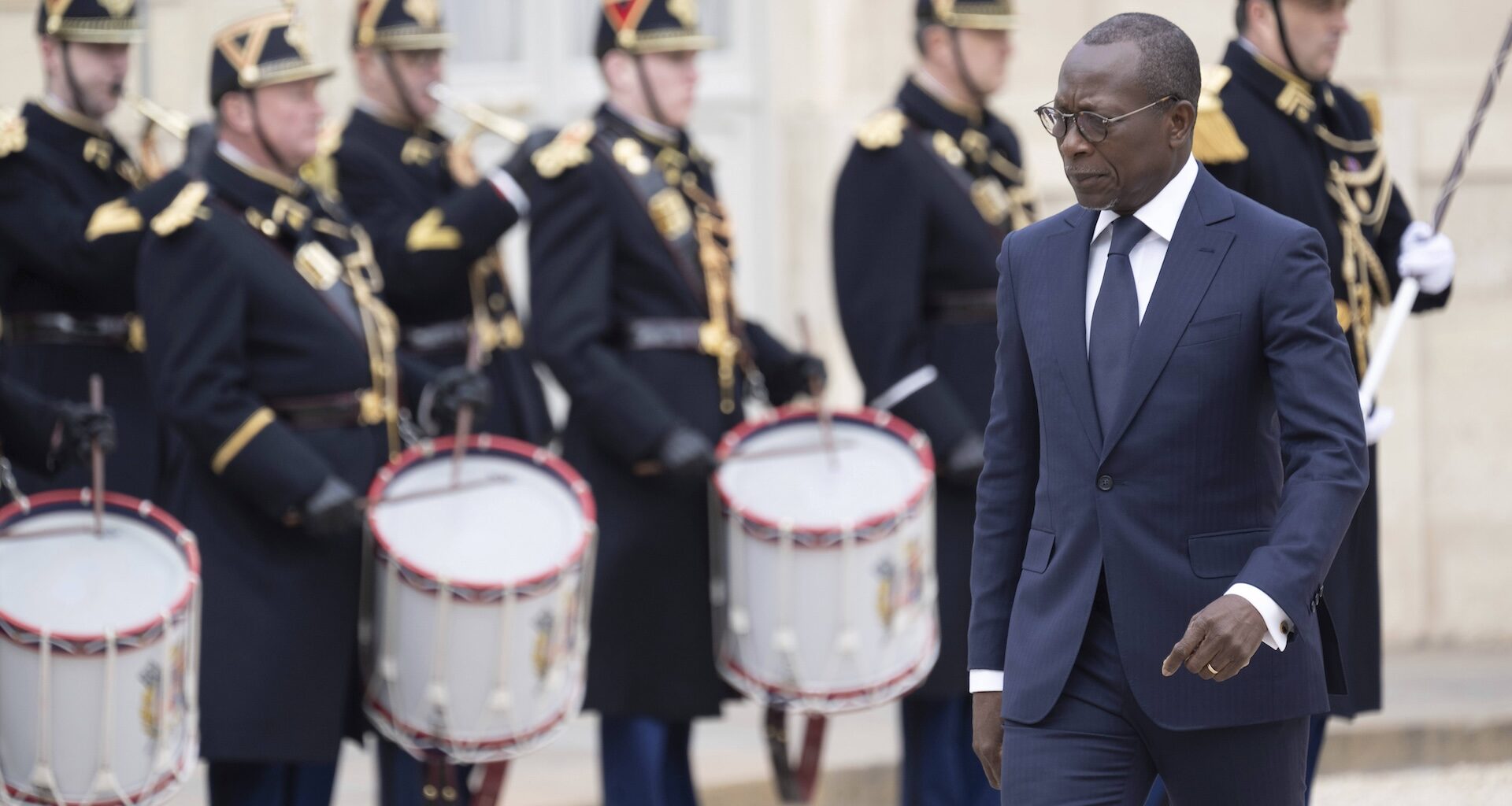
In early December, the commander of Benin’s special forces—a small unit tasked with countering the jihadist threat in the north—tried to seize control of key centers of power in the administrative capital, Cotonou, and capture President Patrice Talon. The attempted coup quickly failed, in large part because the rest of the armed forces, and particularly the presidential guard, remained loyal to Talon. The mutineers only managed to briefly take over the national television station long enough to broadcast what appeared to be a hastily improvised address.
The situation nevertheless remained tense for much of the day, until Nigeria—operating under a mandate from the Economic Community of West African States, or ECOWAS—bombed the military camp in Cotonou where the mutineers had taken refuge. Some of the rebels were captured, while others, including coup leader Lt. Col. Pascal Tigri, fled. ECOWAS then activated its standby force, deploying Nigerian troops on the ground. France also provided intelligence support, deploying an aircraft normally used to monitor jihadist groups in northern Benin and sending special forces based in nearby Ivory Coast to take part in search-and-clear operations.
The outcome represented a belated success for ECOWAS in what has so far been a losing fight against military coups in the region in recent years, most notably its failure to roll back a coup in Niger in 2023. What made the difference this time was that the bulk of the Beninese army held firm in support of Talon. The episode also serves as a reminder that, despite France’s reduction of its military footprint in West Africa in recent years and its stated intention to focus more on training than on combat operations, French forces remain capable of on-the-ground deployment when regional allies request assistance.