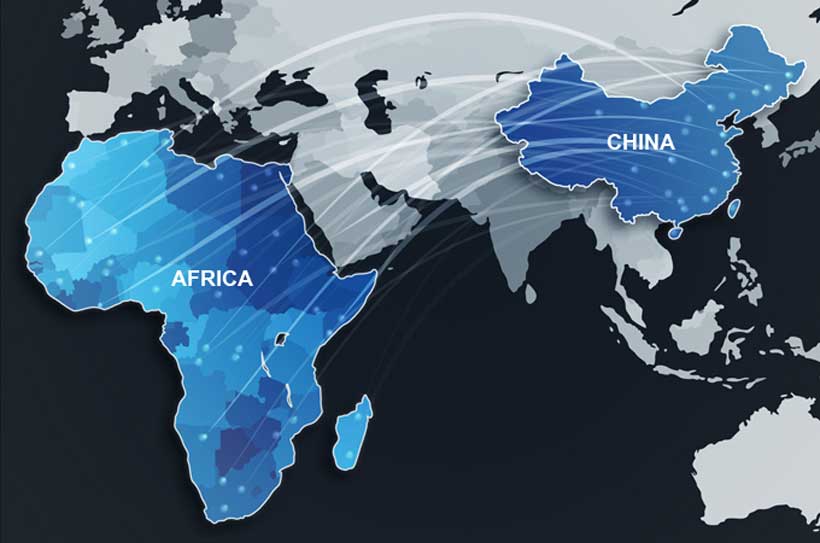
China’s Foreign Minister Wang Yi began his annual New Year visit to Africa on Wednesday, continuing a tradition that underscores Beijing’s long-term diplomatic focus on the continent. This year’s tour will take Wang to Ethiopia, Somalia, Tanzania and Lesotho, with a particular emphasis on eastern and southern Africa.
The trip comes as China, the world’s second-largest economy, works to safeguard its political and economic interests amid growing competition from the United States and Europe for influence in Africa.
Why It Matters
Wang’s itinerary highlights regions critical to China’s global trade routes, access to natural resources and diplomatic positioning. East Africa, particularly the Horn of Africa, sits astride the Gulf of Aden and the Red Sea a vital maritime corridor for Chinese exports moving toward Europe via the Suez Canal.
The visit also signals Beijing’s intent to counter Western-backed infrastructure and trade initiatives that challenge China’s dominance in African development financing and logistics.
Somalia and Regional Politics
Wang’s stop in Somalia marks the first visit by a Chinese foreign minister since the 1980s and comes at a sensitive moment for Mogadishu. Israel’s recent recognition of the breakaway Republic of Somaliland has heightened diplomatic tensions in the region.
China, which has reiterated its support for Somalia’s territorial integrity, is likely to use the visit to strengthen ties with the federal government and reinforce its opposition to unilateral recognition of Somaliland.
Economic Stakes in Tanzania
Further south, Tanzania plays a central role in China’s strategy to secure access to Africa’s copper resources. Chinese companies are refurbishing the Tazara Railway, a key transport link connecting Tanzania to Zambia’s copper belt.
The railway is widely viewed as a strategic counterweight to the U.S.- and EU-backed Lobito Corridor, which links Zambia to Atlantic ports through Angola and the Democratic Republic of the Congo, offering African exporters an alternative route less reliant on Chinese infrastructure.
Trade Diplomacy in Lesotho
Wang’s final stop in Lesotho is expected to highlight China’s push to portray itself as a defender of free trade for developing nations. Last year, Beijing offered tariff-free access to its $19 trillion economy for the world’s poorest countries.
The message is likely to resonate in Lesotho, which was among the countries hardest hit by sweeping U.S. tariffs imposed by President Donald Trump last year, facing duties of up to 50% on exports to the United States.
China: Seeking to protect trade routes, secure resources and counter Western influence.
African governments: Looking for investment, infrastructure and diplomatic backing.
United States and EU: Promoting alternative infrastructure and trade corridors.
Global trade partners: Monitoring how competition shapes Africa’s economic future.
What’s Next
Wang’s meetings are expected to focus on infrastructure cooperation, security partnerships and trade access. The trip is likely to be followed by new investment pledges or political statements reinforcing China’s role as a key partner for African development.
The tour also sets the tone for Beijing’s Africa policy in 2026, as competition for strategic influence on the continent intensifies.
Analysis
Wang Yi’s Africa tour underscores how central the continent has become to China’s global strategy as geopolitical competition intensifies. By prioritising the Horn of Africa and southern Africa, Beijing is signalling that control over trade routes and access to critical minerals now rank alongside traditional diplomacy.
The visit to Somalia, in particular, highlights China’s interest in shaping regional alignments around the Red Sea at a time of growing instability and competing foreign influence. Backing Mogadishu’s territorial integrity also reinforces Beijing’s own stance against separatism, aligning Africa policy with domestic political priorities.
Economically, China’s focus on Tanzania and Zambia-linked infrastructure reflects concern over Western-backed alternatives such as the Lobito Corridor. Rather than retreating, Beijing appears intent on defending earlier investments and locking in long-term supply chains.
By ending the tour in Lesotho and emphasising tariff-free access, China is also positioning itself as a counterweight to U.S. trade pressure on poorer nations. The message is clear: while Western engagement is increasingly framed around security and conditionality, Beijing is offering market access and infrastructure even as its own economic growth slows.
With information from Reuters.