Home » AFRICA » Tanzania Joins Namibia, South Africa, Uganda, Rwanda, And More Countries In Africa In Leading The Way In Sustainable Tourism And Powering Revenue Growth
Published on
January 8, 2026
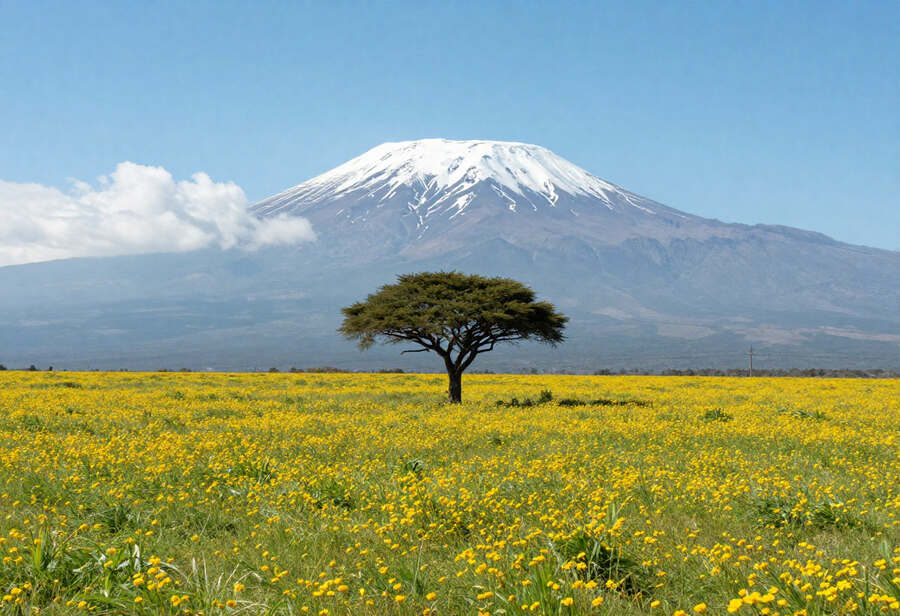
Tanzania joins Namibia, South Africa, Uganda, Rwanda, and other African leaders in pioneering sustainable tourism and powering revenue growth by securing global recognition at the 2025 World Travel Awards. This victory underscores Tanzania’s commitment to integrating eco-conscious travel practices with its rich natural resources, boosting both conservation efforts and the nation’s tourism revenue. As countries across Africa adopt similar strategies, they are not only protecting the environment but also unlocking new economic opportunities, positioning Africa as a hub for responsible travel in the years to come.
Tanzania’s rise as a global tourism destination reached new heights in December 2025, with the country receiving three prestigious international tourism awards. Recognized for its extraordinary achievements in nature-based tourism, Tanzania has been positioned among Africa’s leaders in sustainable tourism, and its success story is one that is reverberating throughout the continent. As the country cements its place as a top-tier travel destination, Tanzania’s focus on sustainability is leading the charge, not only contributing to the conservation of its natural resources but also significantly powering its tourism revenue growth.
A Moment of Glory for Tanzania
At the World Travel Awards Grand Finals 2025, held in Bahrain on December 6, Tanzania emerged victorious, securing the title of World’s Leading Safari Destination for 2025. This achievement comes as a testament to the country’s ongoing efforts to blend wildlife conservation with tourism development. Competing against tourism giants like Botswana, Kenya, Namibia, and South Africa, Tanzania’s win highlights the success of its conservation-driven tourism policies and rich biodiversity.
Moreover, Serengeti National Park was named World’s Leading National Park 2025, surpassing renowned parks like South Africa’s Kruger National Park and the United States’ Yellowstone National Park. Serengeti’s ability to provide an authentic wildlife experience while maintaining sustainable practices has drawn admiration from global conservationists and travelers alike.
Tanzania’s tourism sector is also experiencing rapid growth. According to official data from the Bank of Tanzania, tourist arrivals increased by 9.02% in 2025, reaching 2.09 million visitors. The tourism sector generated a record $4.2 billion in revenue, reflecting a solid foundation for continued growth and international recognition.
Tanzania’s remarkable success is attributed to a combination of factors, including robust conservation programs, the development of eco-friendly tourism infrastructure, and strategic marketing that highlights the country’s natural beauty. Tanzania’s win has resonated globally and set a benchmark for sustainable tourism across Africa.
Sustainable Tourism Across Africa
While Tanzania stands out, the country is far from alone in its commitment to sustainable tourism. Across Africa, numerous countries are embracing eco-tourism as a means to protect their natural resources, foster community development, and bolster local economies. Let’s take a closer look at how some of Africa’s tourism leaders are making strides in sustainable tourism and contributing to the continent’s tourism growth.
Namibia: A Leader in Sustainable Tourism
Namibia has earned its reputation as one of the most eco-friendly destinations on the African continent. Known for its dramatic desert landscapes and diverse wildlife, Namibia is dedicated to preserving its vast natural heritage. Over 40% of the country’s land is under conservation, thanks to the establishment of community conservancies that allow local communities to manage and benefit from the land.
Namibia’s focus on low-impact desert tourism, particularly in areas like the Namib Desert and Etosha National Park, ensures that the country’s tourism growth does not come at the cost of its environment. By promoting sustainable travel practices, Namibia attracts eco-conscious travelers who wish to explore the country’s beauty without leaving a significant environmental footprint.
Botswana: Low Density, High Impact
Botswana’s tourism model is built on the concept of “low density, high impact.” The Okavango Delta, one of the world’s largest inland deltas, is home to a vast array of wildlife, and Botswana has implemented strict regulations to limit the number of visitors to the area. This policy ensures that the tourism experience remains intimate and exclusive while preserving the delicate ecosystem.
Botswana’s community-based tourism initiatives allow local tribes to share in the benefits of tourism. These efforts, combined with a commitment to wildlife conservation, have helped Botswana remain one of the top destinations for sustainable tourism on the African continent.
Kenya: Solar-Powered Lodges and Reforestation Initiatives
Kenya is a major player in Africa’s sustainable tourism movement, blending solar-powered eco-lodges and reforestation initiatives with its world-renowned safari experiences. The country’s efforts to ensure that tourism benefits local communities are exemplified in programs like “One Tourist, One Tree”, which encourages visitors to participate in tree-planting initiatives.
Kenya also levies a 2% tourism tax to fund wildlife protection programs, reinforcing the country’s commitment to preserving its ecosystems while growing its tourism industry.
South Africa: A Hub for Green Infrastructure and National Park Sustainability
South Africa’s tourism sector is known for its strong commitment to sustainability, particularly through the investment in green infrastructure and sustainable practices within its national parks. South Africa’s Kruger National Park, one of Africa’s largest game reserves, has pioneered eco-friendly accommodation options and energy-efficient practices.
In addition to its national park sustainability efforts, South Africa supports a range of eco-tourism projects that focus on reducing the environmental impact of tourism while promoting wildlife conservation.
Rwanda: Eco-Conscious Gorillas and Luxury Ecotourism
Rwanda has positioned itself as a leader in luxury eco-tourism, with its iconic mountain gorilla trekking experience in the Volcanoes National Park. The country enforces a zero-plastic policy to protect its pristine environment and focuses heavily on wildlife conservation, particularly in the protection of the endangered mountain gorillas.
Rwanda’s eco-tourism strategy aligns with its broader goal of using tourism to promote environmental sustainability while providing economic opportunities for local communities. The country has also invested in luxury eco-lodges that offer an exclusive experience for eco-conscious travelers.
Uganda: Community-Based Gorilla and Chimpanzee Trekking
Uganda has made a name for itself in sustainable tourism by offering eco-lodge stays and controlled gorilla and chimpanzee trekking experiences. Bwindi Impenetrable Forest and Kibale Forest National Park are two of Uganda’s top destinations for eco-tourism, where controlled visitor numbers ensure that wildlife populations are protected from over-tourism.
Uganda also emphasizes community involvement in conservation, with many local tribes benefiting from the tourism that surrounds these conservation areas.
Zambia: Walking Safaris and River Protection
Zambia’s Zambezi Basin is a prime example of eco-tourism done right. The country offers unique walking safaris, where visitors can connect more deeply with nature and wildlife in a sustainable way. The country’s commitment to protecting the Zambezi River and its surrounding ecosystems ensures that tourism remains low-impact while preserving these vital natural resources.
Zambia’s eco-lodges, many of which are built using sustainable materials, contribute to the country’s overall conservation efforts, making it an ideal destination for environmentally-conscious travelers.
Zimbabwe: Low-Impact Safaris and Community Reinforcement
Zimbabwe’s Victoria Falls, one of the Seven Natural Wonders of the World, is at the heart of the country’s eco-tourism strategy. Zimbabwe promotes low-impact safaris that allow visitors to experience wildlife and nature without disturbing the delicate balance of its ecosystems.
In addition to promoting sustainable tourism, Zimbabwe has committed to reinvesting tourism revenues back into local communities and conservation programs, ensuring that tourism benefits are felt by everyone in the region.
Egypt: Eco-Tourism in the Desert and Coastal Regions
Egypt’s sustainable tourism efforts focus heavily on integrating green technologies in both its desert and coastal eco-tourism projects. The country has been focusing on minimizing the environmental footprint of its tourism sector, particularly in the development of eco-friendly resorts along the Red Sea coast.
Egypt also encourages sustainable practices in tourism-related construction, ensuring that new projects meet environmental standards that help preserve the country’s rich history and natural beauty.
Mozambique: Wildlife Restoration and Sustainable Parks
Mozambique is making great strides in the development of eco-tourism, with significant efforts dedicated to the restoration of wildlife in parks like Gorongosa National Park. The country’s efforts to create a sustainable tourism model that includes wildlife conservation and community involvement have been widely praised.
Mozambique’s focus on eco-tourism has made it a rising star on the African tourism map, offering travelers a unique blend of natural beauty and conservation.
The Road Ahead for Africa
Tanzania’s recognition at the World Travel Awards is a powerful reminder of Africa’s growing leadership in sustainable tourism. From Namibia’s vast conservancies to Botswana’s low-density tourism model and Rwanda’s gorilla conservation efforts, Africa is proving that sustainability and economic growth can go hand in hand. As more countries invest in eco-friendly tourism and conservation initiatives, Africa is set to become the world’s foremost destination for responsible travelers seeking to experience the continent’s incredible natural resources.
As tourism continues to grow across the continent, it’s clear that the future of travel in Africa lies in sustainable practices that respect both the environment and local communities. Countries like Tanzania are leading by example, and others are quickly following suit, ensuring that Africa remains one of the most vibrant, diverse, and sustainable regions in the world for travel.
Tanzania joins Namibia, South Africa, Uganda, Rwanda, and more African nations in leading the way in sustainable tourism, thanks to its commitment to conservation and eco-friendly practices. This approach is driving both the growth of tourism and the protection of the country’s rich natural heritage.
In this era of climate awareness and eco-conscious travelers, Africa’s tourism industry is proving that sustainability isn’t just a trend—it’s the way forward. With continued investment in conservation and responsible tourism, the continent is on track to become a global leader in sustainable tourism, offering a unique opportunity for travelers to connect with nature while contributing to its preservation for future generations.
