Home » TOURISM NEWS » Kenya Wildlife Service Sees Three Hundred Thousand Visitors During New Festive Season, Targeting Five Million Annual Visitors by 2028
Published on
January 8, 2026
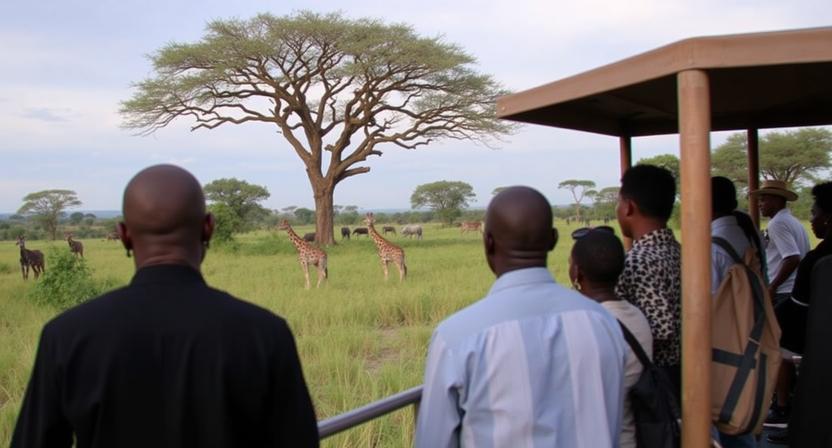
The Kenya Wildlife Service (KWS) recorded a remarkable 300,000 visitors to the national parks and reserves in Kenya over the December 2025 festive period. This indicates a clear increase in the popularity of Kenya’s wildlife attractions. Out of the visitors recorded, 231,000 were Kenyan visitors, while 82,500 were visitors who were not residing in the country. This clearly indicates the strength of domestic tourism in Kenya. The statistics are in line with Kenya’s target of attaining five million visitors by the year 2028.
Domestic Tourism Drives Growth, With Major Focus on Accessibility
The surge in domestic tourism is seen as a key component of Kenya’s tourism growth strategy. In response to the growing demand, KWS reintroduced a weekend and public-holiday bus shuttle service from 20 December 2025 under its Jiachilie in Kenya Parks campaign. The initiative aimed to make the parks more accessible to locals by providing affordable transport, enabling more Kenyan citizens and residents to visit popular parks and reserves. This effort to boost accessibility will continue into 2026, with further upgrades to the visitor experience and conservation measures in place.
Jiachilie in Kenya Parks is part of the government’s broader efforts to promote sustainable tourism while supporting the country’s conservation goals. By making it easier for locals to access national parks, the campaign seeks to foster greater awareness of wildlife conservation, promote eco-tourism, and increase local engagement with Kenya’s natural heritage.
New Conservation Fee Structure Aims to Boost Sustainable Tourism
In October 2025, KWS implemented a new conservation fee structure, marking the first comprehensive review of park entry fees in 18 years. The updated fee structure introduces differential pricing based on visitor categories, ensuring that the cost of accessing parks is reflective of the visitor’s nationality and residency status.
For instance, Amboseli and Lake Nakuru now charge Sh1,500 for East African citizens, Sh2,025 for residents, US$90 for non-residents, and US$50 for other African citizens. This new approach is designed to balance access and conservation, ensuring that park revenues are reinvested into sustainable tourism development and wildlife protection initiatives. The new fee structure also allows for greater equity in access to Kenya’s parks, ensuring that both local and international visitors contribute fairly to the maintenance and protection of the country’s invaluable natural resources.
Looking Ahead: Expanding Access and Fostering Sustainable Tourism Growth
Kenya is poised for continued growth in tourism, with wildlife tourism remaining a central pillar of the industry. The country’s national parks, such as those in the Great Rift Valley and Masai Mara, are among the most renowned in the world for their diverse wildlife and exceptional conservation efforts. With ongoing investments in accessibility, infrastructure, and conservation, Kenya is well on its way to achieving its target of five million annual visitors by 2028.
KWS’s initiatives, such as the Jiachilie in Kenya Parks campaign and the new conservation fee structure, are designed to not only boost tourism but also ensure that the environmental impact of tourism is minimized. These initiatives will support sustainable tourism practices, helping to protect the country’s wildlife while making parks more accessible to both domestic and international visitors.
Future Tourism Growth: A Vision for a Thriving Wildlife Tourism Sector
Looking to the future, Kenya’s tourism sector will continue to thrive as the country seeks to position itself as a global leader in sustainable wildlife tourism. With the support of local communities, international tourists, and government initiatives, Kenya is on track to maintain its reputation as one of the top destinations for eco-tourism and wildlife conservation.
In the coming years, as the government focuses on building tourism infrastructure and promoting environmental sustainability, Kenya is expected to see significant growth in visitor numbers across all regions. The country’s strategic focus on domestic tourism and accessible eco-tourism experiences will play a key role in making this vision a reality.
A Bright Future for Tourism and Conservation in Kenya
The increasing number of tourist visitors to national parks in Kenya during the festive season of December 2025 is a demonstration of the attractiveness of Kenya’s natural endowment. The new developments such as Jiachilie in Kenya Parks and restructured fee for conserving and protecting wildlife in Kenya; it is set to make the tourism industry in Kenya sustainable and set to reach five million visitors per year by 2028, a scenario that will be a solution for both tourism and wildlife conservations. The tourism sector in Kenya, which is currently taking a positive shift towards sustainable development practices and eco-tourism, is poised to set the trend for the future years in the field of wildlife travel.
