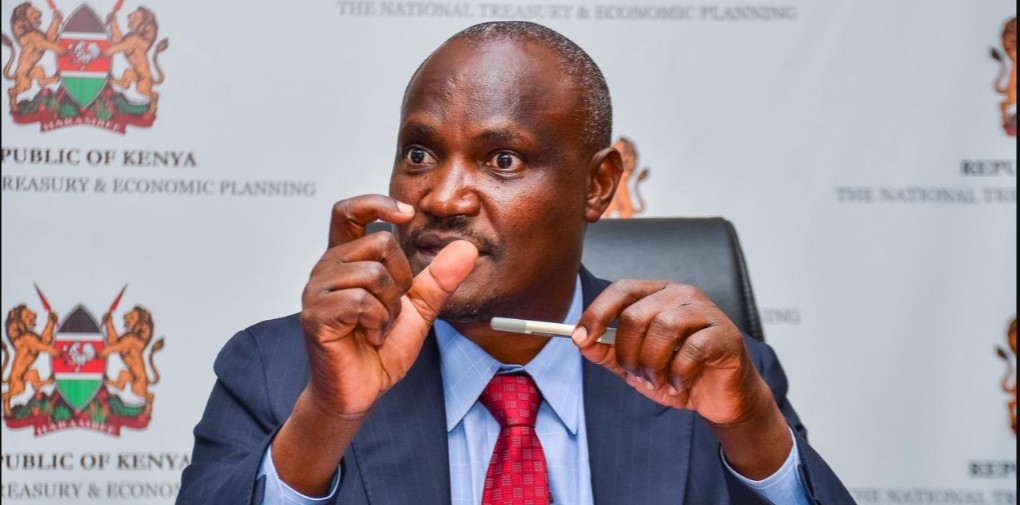
In a bid to reinforce the country’s security framework ahead of the 2027 elections, Treasury Cabinet Secretary John Mbadi has proposed a Sh330 billion allocation to key security and election agencies.
The funding, part of President William Ruto’s election-year budget, comes amid rising concerns over local and regional threats, including terrorism and cross-border instability.
The Interior Ministry is set to receive Sh42.9 billion, a Sh7 billion increase aimed at bolstering internal security measures.
The police service, under Inspector General Douglas Kanja, will get Sh12 billion more, bringing its total to Sh139 billion, a move officials say is crucial for maintaining law and order during the electoral period.
Electoral bodies are also seeing significant budget boosts. The Independent Electoral and Boundaries Commission will receive an extra Sh15 billion, increasing its allocation to Sh24.9 billion.
Despite this increase, the IEBC maintains that it still requires Sh61 billion to conduct a fully prepared and smooth election, highlighting the need for timely fund disbursement.
Kenya’s security challenges are complex. Locally, threats from terrorist groups such as Al-Shabaab remain high, requiring close coordination between the police and the National Intelligence Service.
Regionally, unrest in countries like South Sudan and Ethiopia raises the risk of spillover effects, adding pressure on Kenya’s security apparatus.
Internationally, the country’s role in counter-terrorism initiatives demands adequately resourced intelligence and law enforcement agencies.
Beyond security, the budget also addresses other government offices. The Office of the Deputy President will receive an additional Sh500 million, while the Office of the Prime Cabinet Secretary is set to get Sh470 million.
Parliament’s budget has increased by Sh900 million to Sh48.7 billion, and the Judiciary will see a Sh3 billion rise, bringing its total to Sh29.9 billion, underscoring the importance of institutional readiness ahead of elections.
However, Kenya faces a Sh1.1 trillion deficit, with plans to borrow Sh1 trillion domestically and Sh90 billion internationally. This has raised concerns over whether prioritising election-related security could compromise funding for critical sectors such as health and education.
The Treasury has urged ministries to prioritise high-impact programs and cut unnecessary expenses to ensure that these allocations translate into tangible results.
Members of Parliament have also called for close monitoring of how funds are used, emphasising the need for transparency to ensure citizens benefit from the increased spending.
A recent review by the National Assembly Security Committee highlighted rising non-discretionary expenditures, warning that unchecked spending could reduce the effectiveness of the allocations.