
Home » TOURISM NEWS » Namibia Named Africa’s Most Authentic Tourism Destination: 2025 ATB Award Highlights
Published on
December 25, 2025
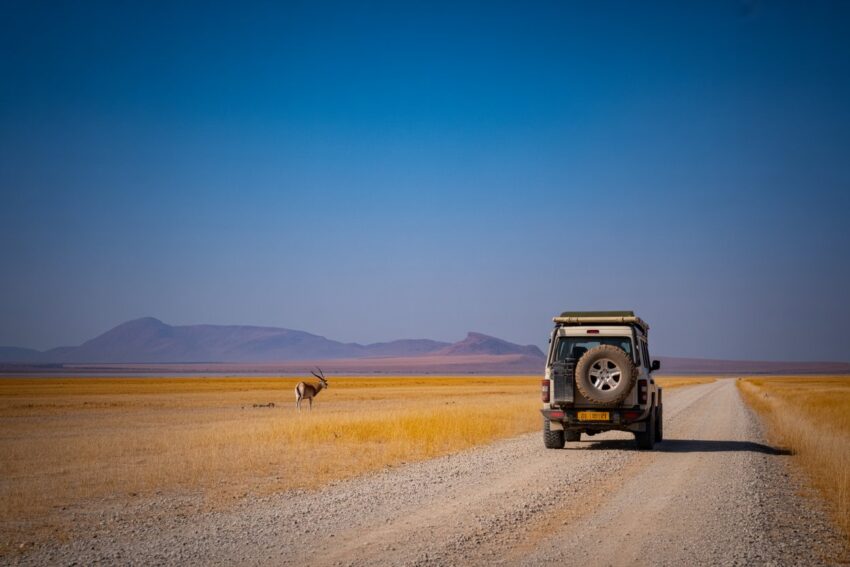
In an era of filter-saturated travel and carefully curated “Instagrammable” resorts, a quiet giant in Southern Africa has just been handed the ultimate badge of honor. On December 13, 2025, the African Tourism Board (ATB) officially named Namibia as Africa’s Most Authentic Tourism Destination.5
This isn’t just another trophy for the shelf. The ATB, alongside marketing corporations in Germany and New York, highlighted a fundamental shift in global travel demand.6 Travelers in 2025 are no longer looking for crowded, mass-market experiences; they are searching for space, silence, and scale.7 Namibia, with its “authenticity without compromise,” has proven that being “demanding” of its visitors is exactly what makes it so rewarding.+1
The “Space” Luxury: Low Density, High Impact
One of the primary reasons for this recognition is Namibia’s unique status as one of the least densely populated countries on Earth.8 In a world that feels increasingly crowded, space has become the new luxury.
The ATB’s patron, Juergen Steinmetz, noted that Namibia refuses to dilute its identity for the sake of convenience.9 Instead, it invites travelers to engage deeply with an unfiltered version of Africa. This “low-density” model ensures that when you stand at the foot of the Sossusvlei dunes or watch a lion at a waterhole in Etosha, you aren’t doing it from behind a wall of other tour buses.
The Conservation Success Story
Namibia’s authenticity is rooted in a revolutionary approach to conservation. It was the first African nation to incorporate environmental protection into its constitution.10 Today, over 40% of the land is under some form of conservation management.11+1
Communal Conservancies: Namibia’s community-based system ensures that tourism revenue goes directly back to wildlife protection and rural development.12Desert-Adapted Wildlife: In regions like Damaraland, visitors can track desert-adapted elephants and black rhinos—species that have evolved to thrive in one of the world’s harshest climates.13Ethical Cultural Tourism: Unlike “staged” cultural visits seen elsewhere, encounters with the Himba or San communities are based on respect and consent, often managed through local guides and conservancies.14The Dual Identity: “Authentic and Demanding”
The ATB also used a curious word to describe Namibia: Demanding. This is a badge of honor. Namibia is a destination for the intentional traveler.
With its immense distances and endless gravel roads, the preferred way to see the country is through self-drive adventures. This requires navigational skill, mechanical awareness, and a spirit of self-reliance. By remaining “challenging,” Namibia weeds out the casual traveller and protects its ecological integrity.
“Namibia is not designed for quick, high-volume tourism,” says the ATB. “It is for travelers who are intentional about the impact they leave behind.”
2025: A Year of Triumphs
The “Most Authentic” title is the crowning achievement in a year of wins for Namibia. In November 2025, the country also swept the Balearica Awards (Africa Tourism Awards) in London, where Swakopmund was named Africa’s best adventure tourism destination.
Where to Experience the Authenticity
If you’re planning a trip to the world’s most authentic destination, these four pillars define the Namibian experience:
The Namib Desert: Home to the world’s oldest desert and the eerie white clay pan of Deadvlei, surrounded by the tallest red dunes on Earth.
Etosha National Park: A wildlife sanctuary centered around a vast salt pan, where the “Big Five” gather at floodlit waterholes.
The Skeleton Coast: A hauntingly beautiful stretch of Atlantic coastline littered with shipwrecks and home to massive seal colonies.
Swakopmund: The adventure capital, where you can sandboard down dunes in the morning and enjoy German-inspired pastries by the ocean in the afternoon.
A Template for the Future
The recognition of Namibia serves as a powerful message to the rest of the continent: high-value, low-impact tourism is not just viable—it is the future. By preserving its rugged soul and prioritizing environmental stewardship over mass-market growth, Namibia has become a global benchmark for what “true” travel looks like.
As we look toward 2026, Namibia remains the destination to watch for anyone seeking a journey that is as much about the inner self as it is about the vast, wild horizon.
