Home » America Travel News » Estonia Joins Hungary, Dominica, Fiji, India, Nigeria, Venezuela, Ghana and More as US Warns Overstayers About Permanent Bans, Visa Violations: Here Is What You Need to Know Before Applying for a Visa
Published on
January 9, 2026
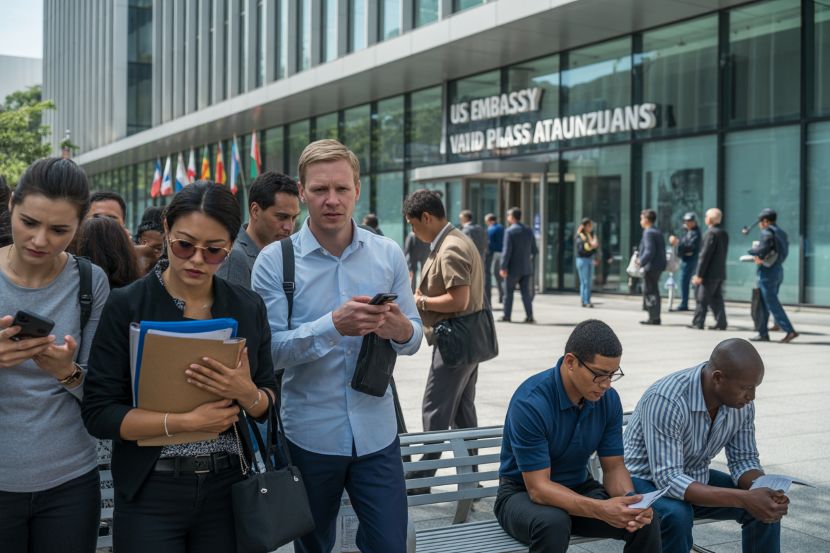
Travelers from several nations including Estonia, Hungary, Dominica, Fiji, Nigeria, Venezuela and others must now pay close attention to updated United States visa policies that could significantly affect their ability to travel for tourism or business. In late 2025 and early 2026, the United States expanded its visa bond policy to include 38 countries, meaning applicants for B1 (business) and B2 (tourism) visas from these nations may be required to deposit a substantial refundable bond before their visa is issued. At the same time, US embassies are issuing advisories urging strict compliance with visa rules to avoid penalties including deportation, visa revocation or even permanent travel bans.
For many potential travelers and business visitors from the affected countries, these changes introduce a heightened level of complexity and cost into planning trips to the United States, with the broader aim of reducing visa overstays and strengthening immigration compliance.
What Has Changed for B1/B2 Visa Holders in 2026
The US State Department has rolled out updated measures that affect how visitor visas are issued and managed:
Visa Bond Requirement: Citizens of 38 countries must now post a bond of $5,000, $10,000, or $15,000 before a B1 or B2 visa can be granted. This is a refundable financial guarantee designed to encourage visitors to leave the United States before their authorised stay expires.Warnings on Non‑Compliance: US embassies have increased public advisories, clarifying that misuse of a visitor visa—such as unauthorised employment, overstaying the permitted period or switching to another visa category without following due process—can lead to visa denial, cancellation, deportation or even permanent ineligibility for future visas.Stricter Scrutiny at Interview: Consular officers review applications closely, with the authority to refuse visas if they determine the applicant does not meet legal criteria or intends to violate conditions.
These changes reflect a broader shift by the US government to address perceived increases in overstays and immigration non‑compliance while also safeguarding national security.
The Full List of Countries Under the Visa Bond Requirement
The 38 countries currently subject to the US visa bond policy (effective from January 21, 2026) include a mix of African, Asian, Latin American and Pacific nations. Citizens of these countries applying for B1/B2 visas must be prepared to deposit a bond during the visa application process:
Africa: Gabon, The Gambia, Guinea, Guinea‑Bissau, Malawi, Mauritania, Namibia, Senegal, Togo, Uganda, Zambia, ZimbabweAsia & Central Asia: Kyrgyzstan, NepalCaribbean & Latin America: VenezuelaPacific & Others: Tonga, Tuvalu, Vanuatu
This requirement is tied to overstay data published by US authorities and aims to reduce the number of visitors who remain beyond their authorised period.
Why the United States Introduced the Visa Bond Rule
According to official guidance from the Department of Homeland Security (DHS) and the US State Department, the visa bond programme addresses three key concerns:
High Overstay Rates: Some countries have recorded higher proportions of visitors who fail to depart the US on time.Verification Challenges: Countries with weaker document security or difficulty in verifying data pose greater administrative risk.Passport Integrity Issues: Challenges such as citizenship‑by‑investment schemes and document fraud can complicate immigration enforcement.
It’s important to emphasise that paying the bond does not guarantee visa issuance; applicants are still subject to usual eligibility and interview assessments. However, the bond is refundable if the traveller obeys visa terms, does not travel, or is denied entry.
Impact on Business Travel and Normal Tourists
For Business Travelers:
Higher Entry Costs: Posting a sizeable bond increases upfront travel expenses, which can affect attendance at conferences, trade missions or meetings.Heightened Scrutiny: Visa interviews and compliance checks may be more stringent for corporate travellers, impacting travel timelines.
For Tourists:
Added Financial Burden: The bond requirement increases the cost of obtaining a US travel visa.Visa Risk Awareness: Tourists must be diligent about adhering to the authorised length of stay to avoid forfeiting bonds or facing visa bans.Quick Tips for Visa Applicants and Travelers
To ensure travel plans to the United States remain smooth and compliant, consider the following guidelines:
Understand Your Visa Category: Know the terms and limitations of a B1/B2 visa before you apply or travel.Budget for Bonds: If you are from an affected country, prepare for the possibility of a high bond payment and understand refund criteria.Be Honest at Interview: Provide accurate information during consular interviews and avoid misrepresentation.Respect Entry/Exit Rules: Plan departures before your authorised stay expires to avoid bond forfeiture or future travel bans.Check Official Resources: Always refer to the US Department of State visa webpage at travel.state.gov for current rules and guidance.What This Means for Future Travel
The expansion of visa bond rules and increased warnings from US embassies indicate a more rigorous era of immigration enforcement, particularly for short‑term business and tourism visas. While the financial and administrative requirements may pose challenges, understanding these changes in advance helps travellers plan responsibly and reduce the risk of penalties. From thorough preparation for consular interviews to careful adherence to stay limits, informed travellers can still pursue business or leisure trips to the US without compromising future travel opportunities.
Key Takeaways:
38 countries are now subject to the US visa bond requirement.Visa misuse and overstaying can lead to bans and deportation.Bonds are refundable if visa conditions are fully honoured.Travelers must comply with designated entry/exit procedures and laws.
Disclaimer: The Attached Image in This Article is AI Generated
