Mr M and I spent November 2025 in Africa. The second half of the trip was a train safari in Zimbabwe, Mozambique, Eswatini, and South Africa.
Departing from Victoria Falls, the first stop on our African train safari was Hwange National Park.
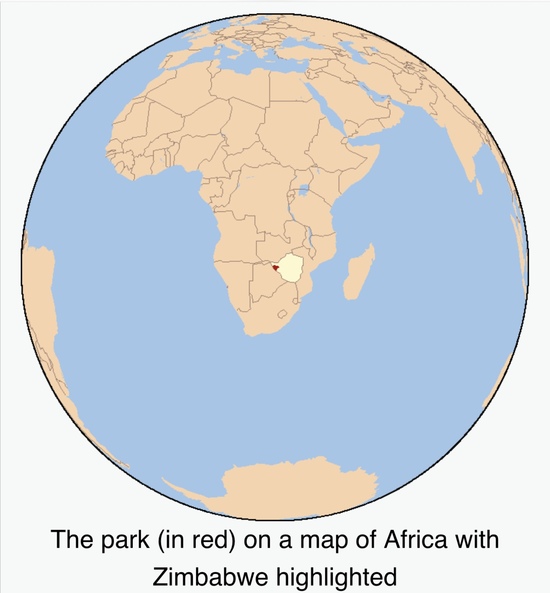
Hwange National Park is the largest natural reserve in Zimbabwe. It is around 14,600 sq km in area. It lies in the northwest of the country, just off the main road between Bulawayo and Victoria Falls. (Wikipedia)
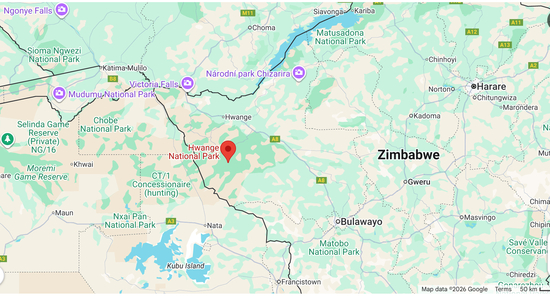
Hwange means “water” or “hunting” in the Ndebele language, reflecting the region’s historical significance as a watering hole for wildlife and a popular area for hunting expeditions. The name is derived from the Ndebele word “Hwange,” which is believed to have originated from the sound of water flowing or the presence of abundant game. (www.wisdomlib.org/…)
November is the transition from the dry to the rainy season. Things were starting to green up and birds were enjoying the grasses. Locals told us that the rains had started about a week earlier.
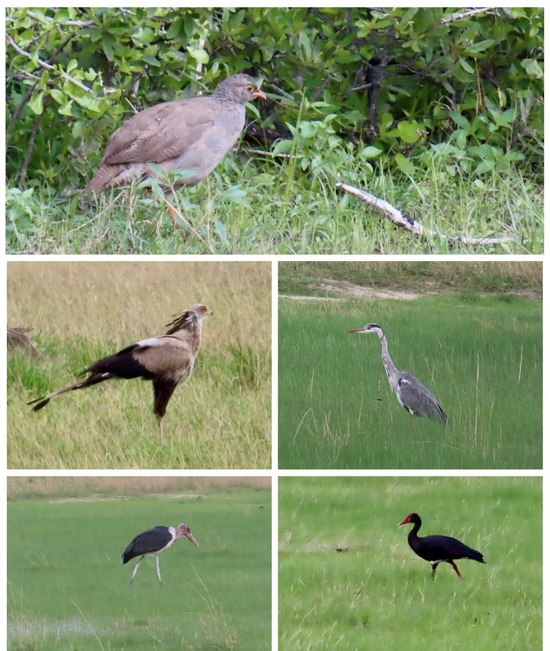
Red-billed Spurfowl, Secretarybird, Grey Heron, Marabou Stork, and Spur-winged Goose
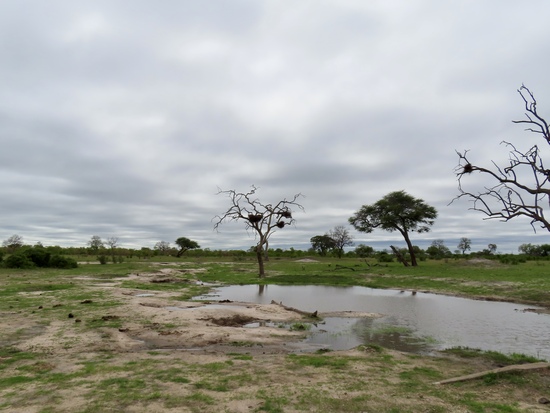
The watering holes were starting to fill.

Grey Crowned Cranes
Video of Grey Crowned Cranes and Blacksmith Lapwings, with an Egyptian Goose making noise. One of the cranes looks like it stole a bite of food from another one. Listen for the call of the Blacksmith Lapwings. Video 1:07 minutes. Sound on.
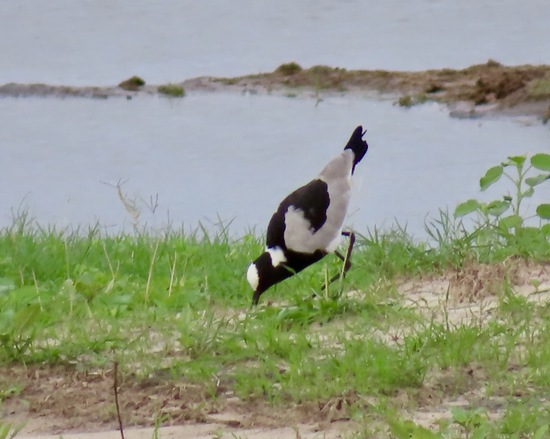
Blacksmith Lapwing
I was lucky to have met the birders of the group the evening before while on our river cruise. A clue: they were all gathered at the back of the boat with binoculars and cameras, pointing excitedly. This morning, a few of us gathered in the same safari vehicle, including the only person with a birding book. There were only six people to a vehicle.
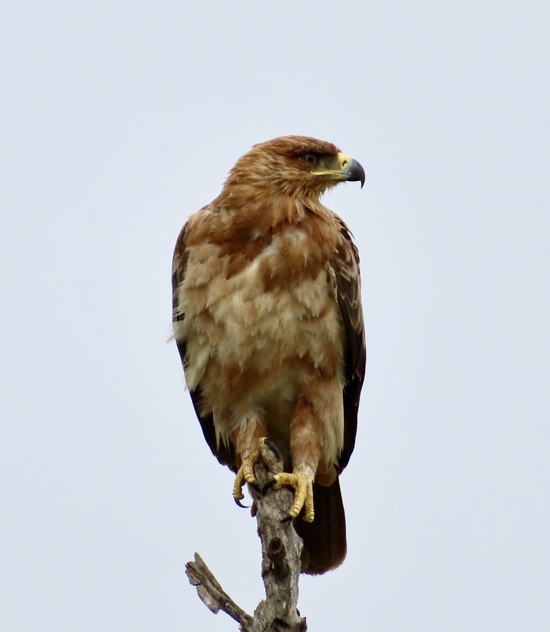
Southern Tawny Eagle

Lilac-breasted Roller, this beautiful bird is very common.
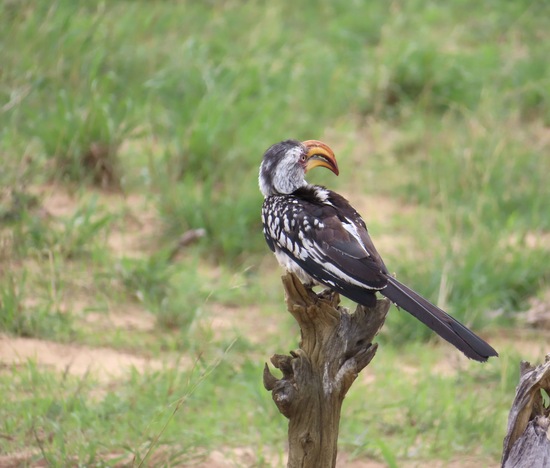
Southern Yellow-billed Hornbill, very common, we’ll see more later.
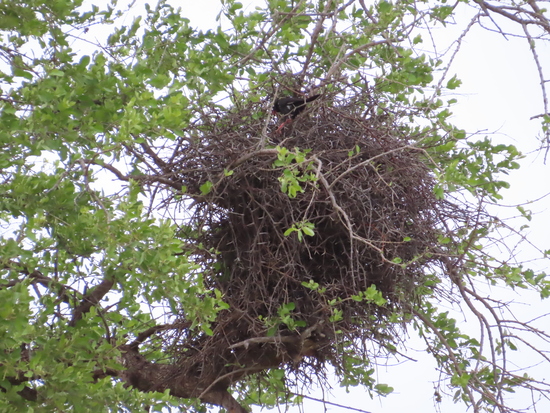
Red-billed Buffalo Weaver and nest
We saw mammals, too.

African Elephant
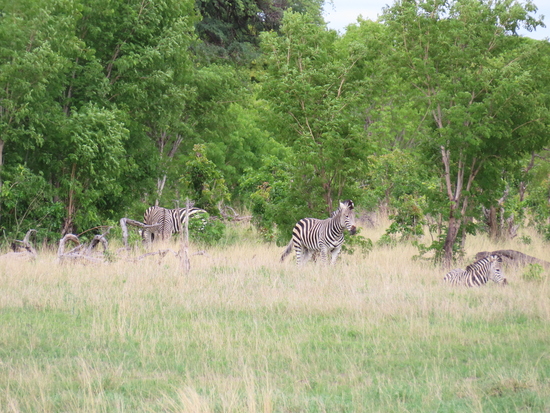
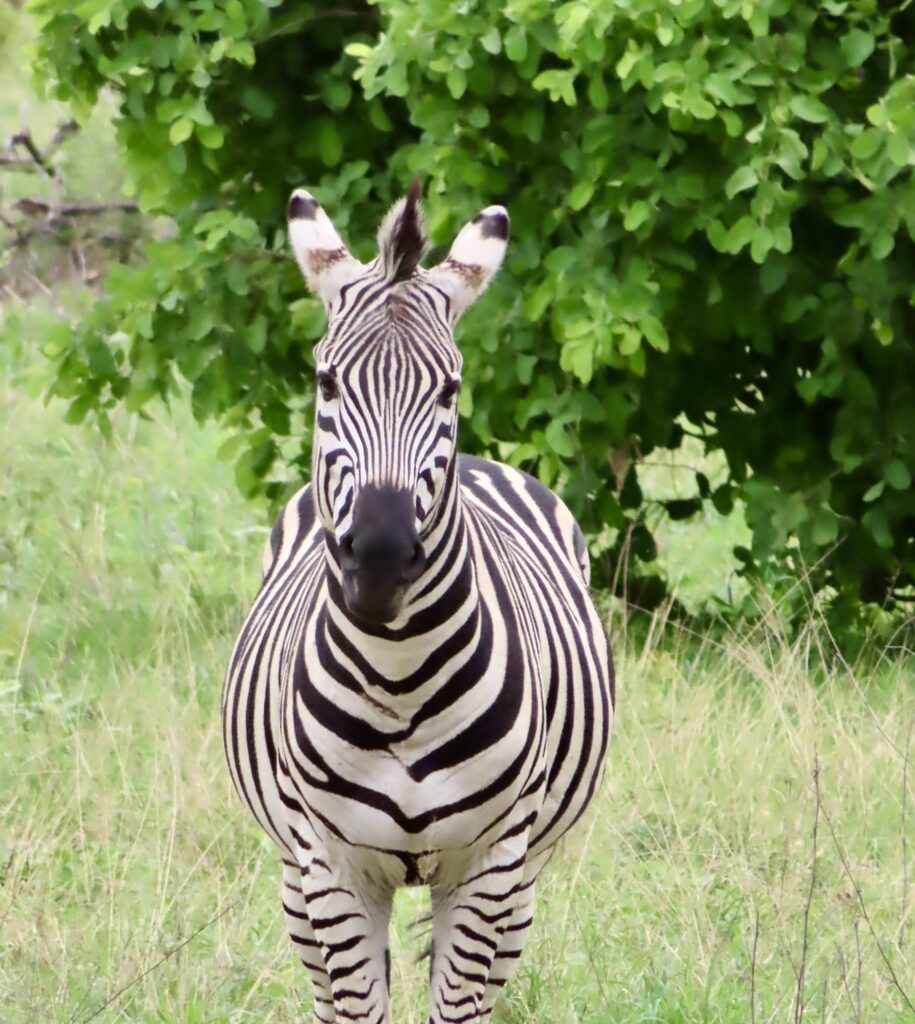
A dazzle of Zebra
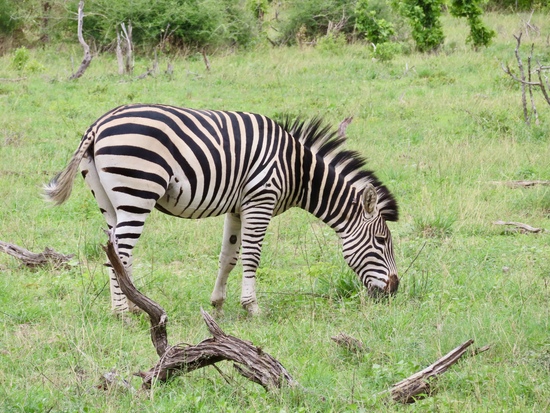
Plains Zebra
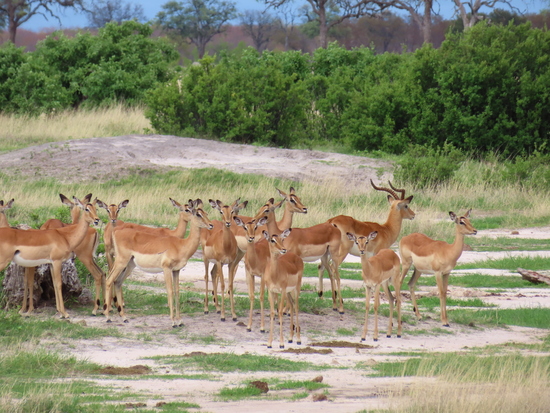
Impala
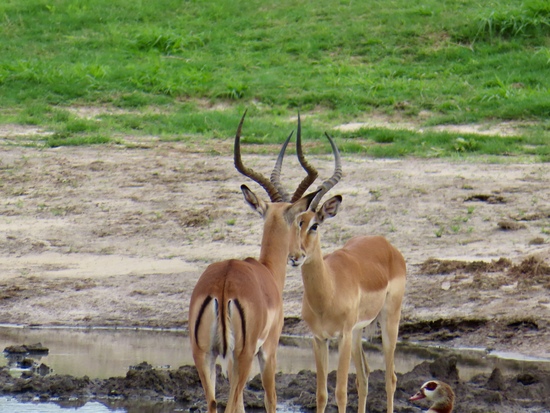
Impala facing off, photobombed by an Egyptian goose, lower right
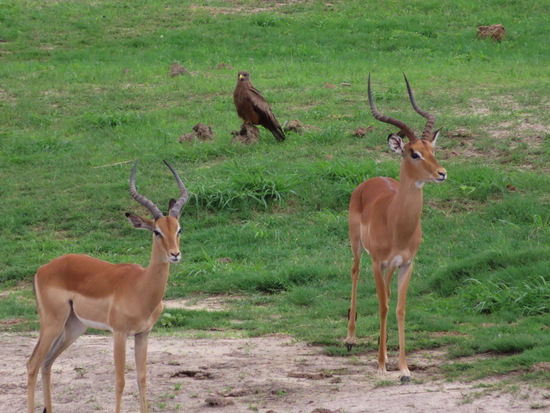
Impala and a Black Kite
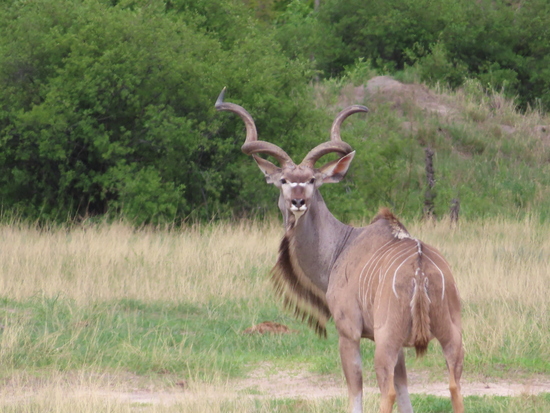
Male Greater Kudu

Southern Carmine Bee-eater
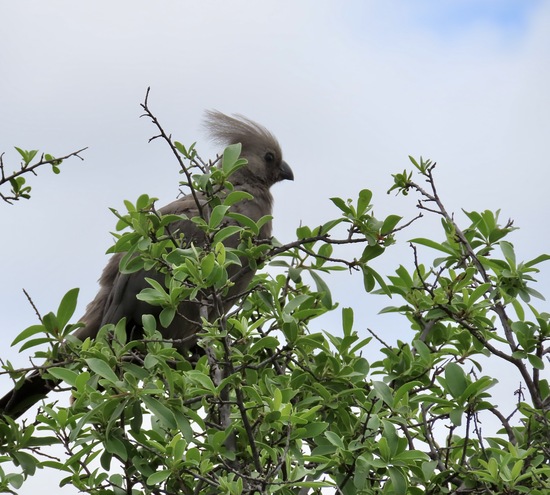
Grey-go-away Bird (named after its call)
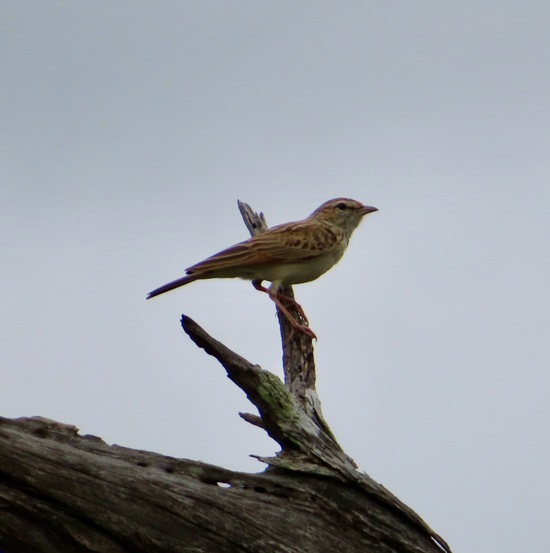
Rufous-naped Lark

Landscape
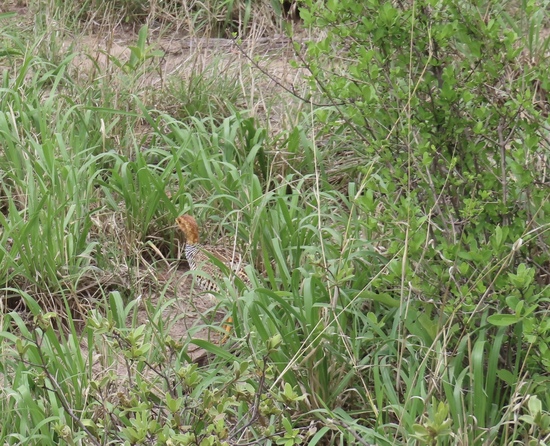
Coqui francolin. Although common, it’s secretive and was very difficult to spot. This photo is zoomed and cropped.
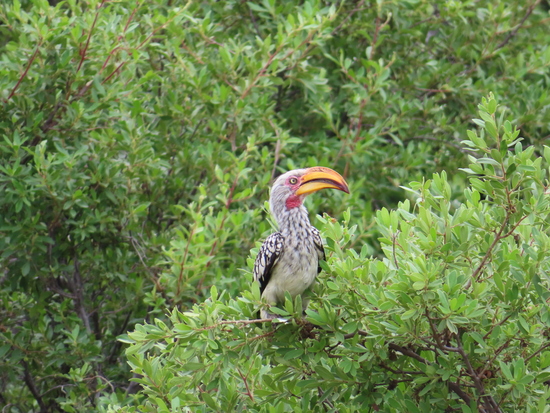
More Southern Yellow-billed Hornbill
A medium-sized, mostly black-and-white hornbill with a diagnostic yellow bill that gives it the nickname of “flying banana”. Pairs and small groups occupy semi-desert, savanna, and broadleaved woodland; associates closely with humans in camps. Hops on the ground foraging for invertebrates, and flies into trees when disturbed. (eBird)
Southern Yellow billed Hornbill video. The nests belong to the White browed Sparrow Weaver so I included a couple of photos of the Weaver in the video. (0:57 seconds). This video was taken at our lunch spot.
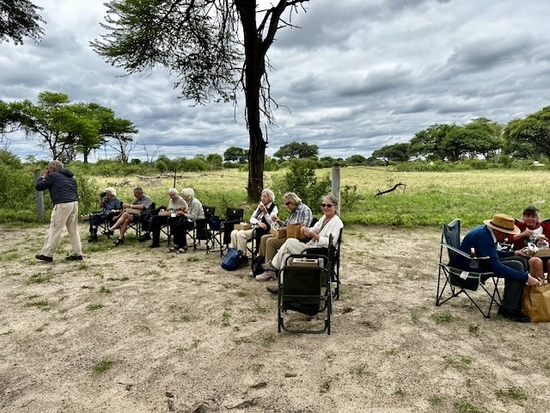
Lunchtime for yours truly (looking at camera)
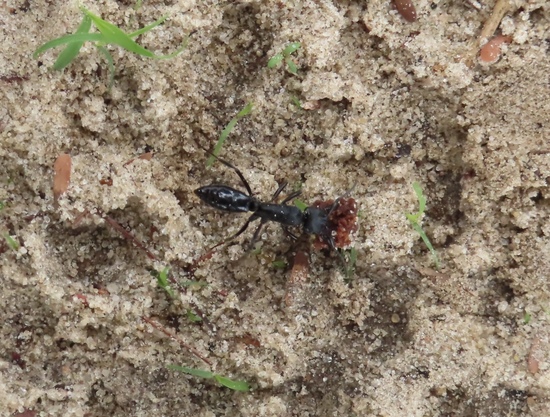
I think this is a Carpenter Ant making off with a crumb of chocolate cookie
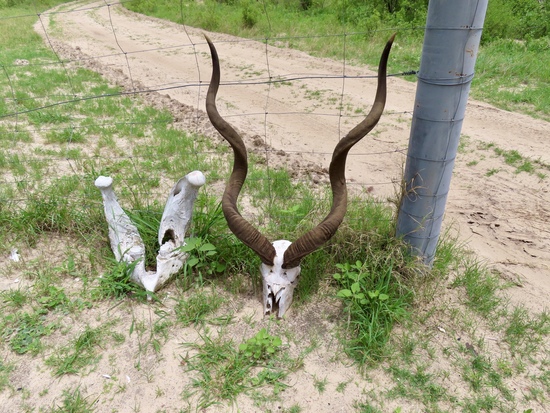
Kudu horns on right, not sure what horns are on the left
After lunch we were given the option of returning to the train to relax or continuing on safari. Of course, we continued.
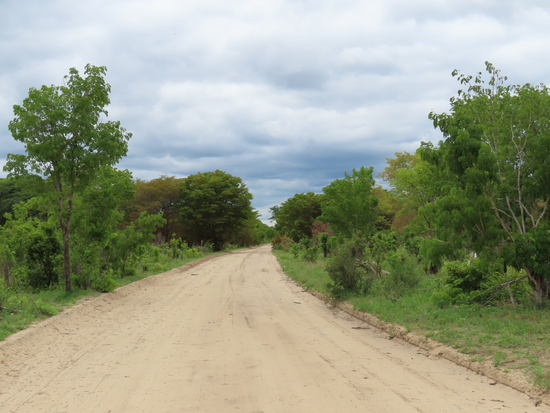
Back on the road
All day we saw large insects flying and hovering. We nicknamed them “drone beetles”. They were Dung Beetles. This Dung Beetle was working hard at the side of a road. Video 3:12 minutes, no sound.
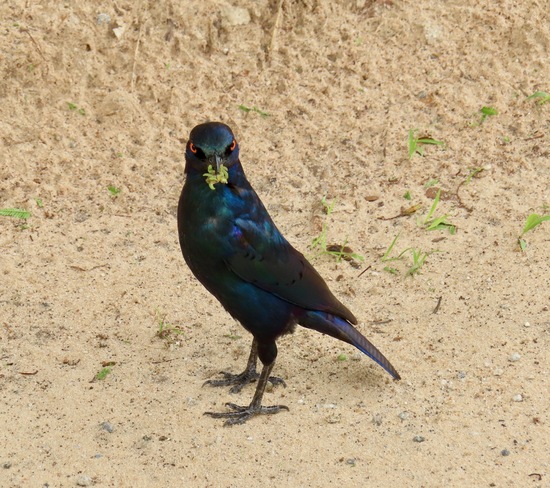
Cape Starlings were ubiquitous. This one had several caterpillars in its beak.
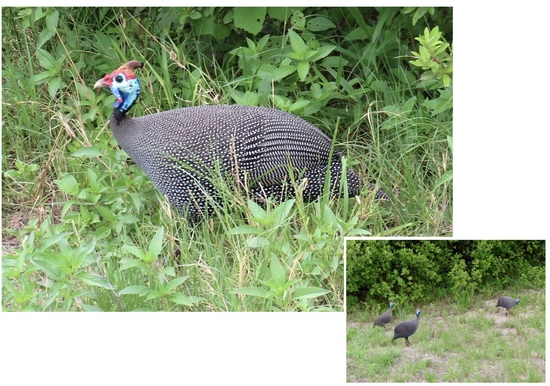
Also very common: Guinea Fowl
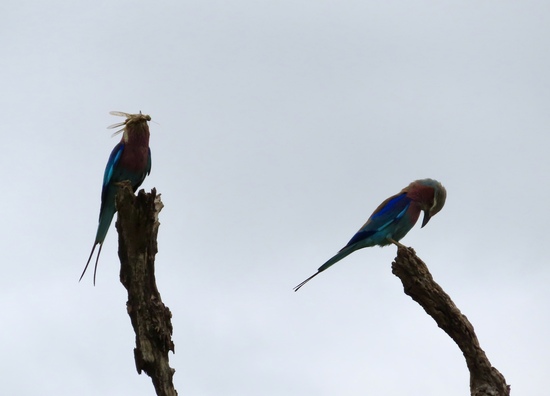
Lilac-breasted Rollers. The bird on the left kept trying to entice the bird on the right with a delicious morsel. She wasn’t having it.
The bat-eared fox (Otocyon megalotis) is a species of fox found on the African savanna. It is the only extant species of the genus Otocyon, and is the sister species to all other members of the tribe Vulpini. Fossil records indicate this canid first appeared during the middle Pleistocene.
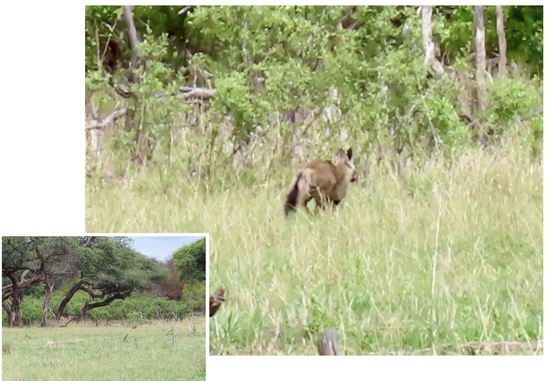
Bat-eared Fox. There were a pair of them. The larger image is zoomed and cropped from the inset image.
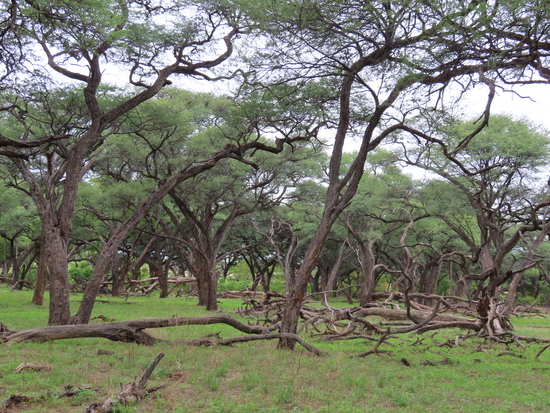
Acacia trees. There are over 1300 species of Acacia worldwide.

African Hawk-eagles
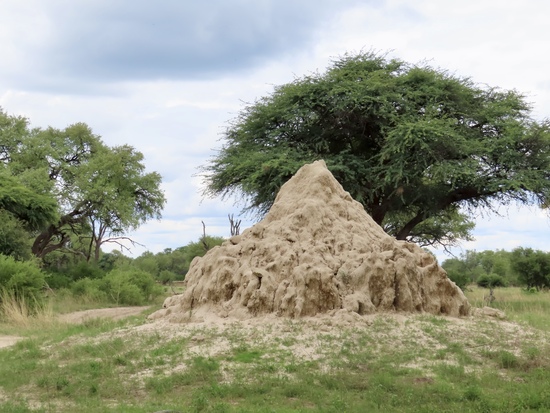
Impressive Termite mound. The Bat-eared foxes eat termites.
Video of Spotted Hyena and Pup; Southern Giraffes in Hwange NP, Zimbabwe. No sound with the Hyenas, there is sound with the Giraffe. (1:11 minutes)
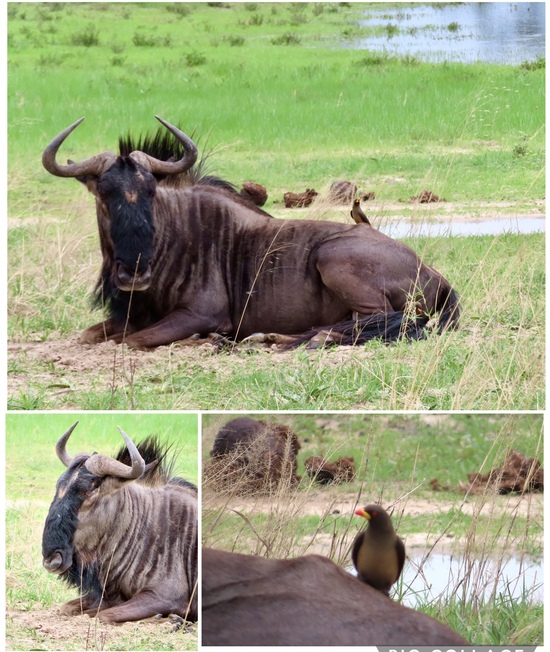
Blue Wildebeast (aka Gnu) with Yellow-billed oxpecker
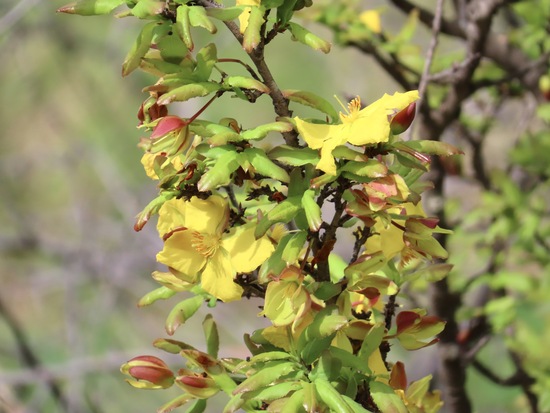
Ochna spp, there are several types in Southern Africa

Our route
What a great start to our train safari. This park had the most birds of any of the parks we visited. We saw many more species than I was able to photograph. Sometimes it was best just to put the camera down and enjoy the sights.
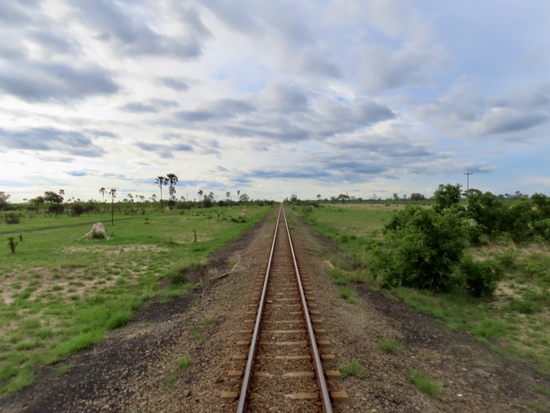
Time to relax in the observation caboose
Here’s my first diary about our visit to Africa: The Daily Bucket: Victoria Falls, Zimbabwe
╔══════ ≪≫°✺°≪ ≫ ══════╗
The Daily Bucket is a nature refuge. We amicably discuss animals, weather, climate, soil, plants, waters and note life’s patterns.
We invite you to note what you are seeing around you in your own part of the world, and to share your observations in the comments below.
══════ ∘◦❀◦∘ ══════
Each note is a record that we can refer to in the future as we try to understand the phenological patterns that are quietly unwinding around us. To have the Daily Bucket in your Activity Stream, visit Backyard Science’s profile page and click on follow.
╚══════ ≪≫°✺°≪ ≫ ══════╝
What’s happening in your backyard or anywhere you’ve visited?
Have you been to Zimbabwe? Please share your pictures and comments!