By Samuel Abate
REDD+ Program Drives Forest Restoration, Carbon Revenue, and Community Livelihoods in Ethiopia
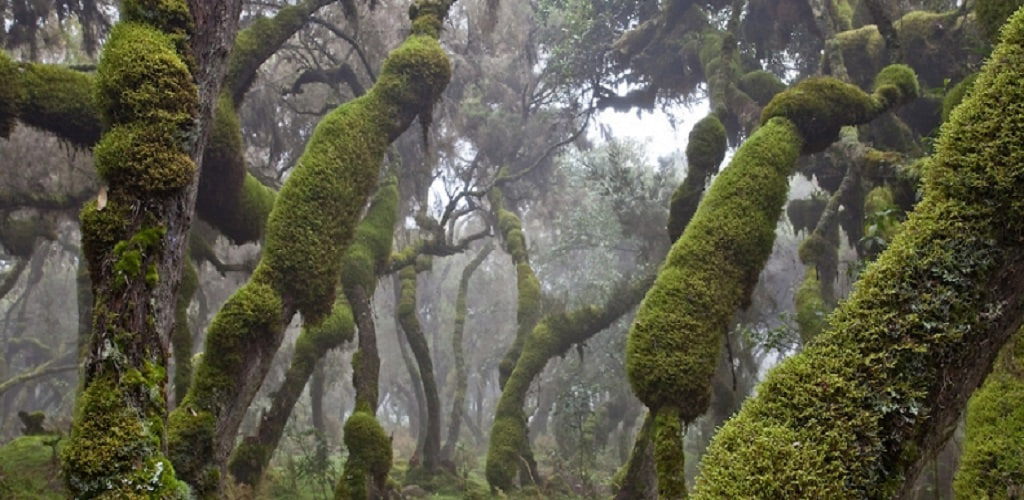
Ethiopia’s REDD+ Investment Programme (RIP) is recording significant progress in forest restoration, carbon emission reduction, and community livelihood improvement, according to officials overseeing the initiative at both regional and national levels.
Debela Tesfaye, Regional Coordinator of the Oromia REDD+ Investment Programme, told Ethio Negari that the program has achieved notable results in restoring degraded landscapes and conserving natural forests through Participatory Forest Management (PFM).
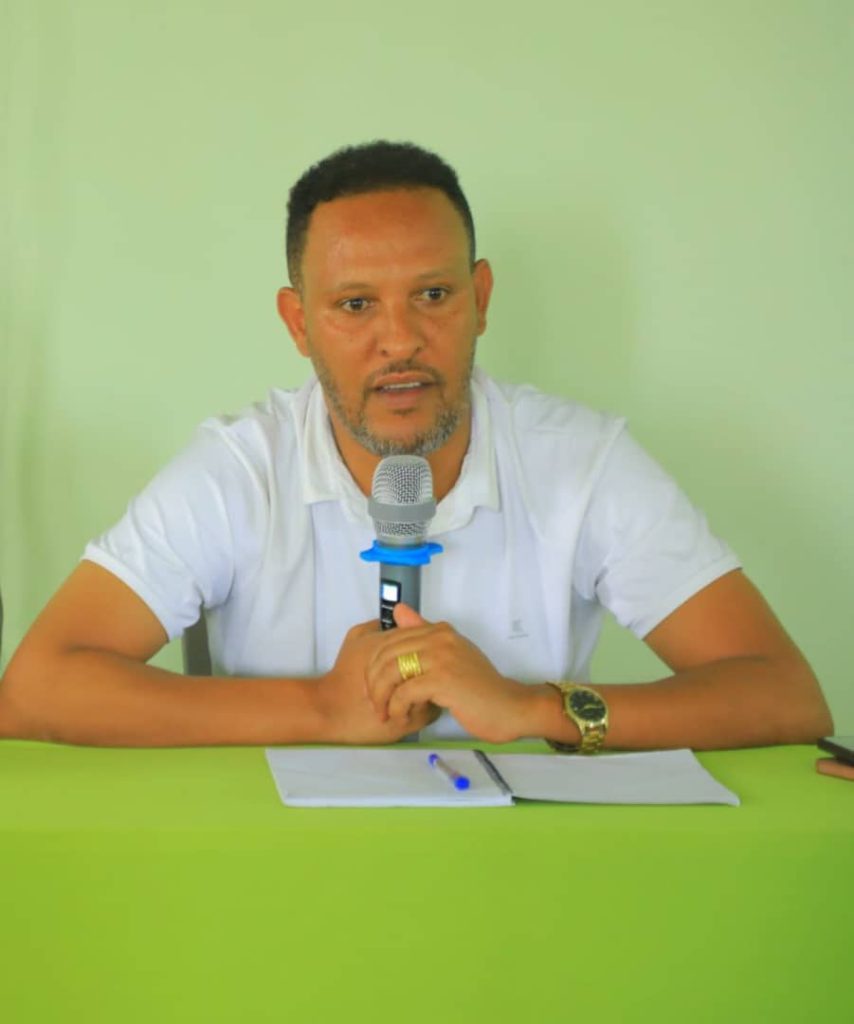
“Over 593,000 hectares of natural forest have been brought under PFM arrangements in Oromia, while about 30,000 hectares have been afforested and reforested,” Debela said. He added that around 300,000 hectares of forest patches have regenerated through Assisted Natural Regeneration (ANR).
Key achievements include integrating soil and water conservation into regeneration sites, restoring degraded lands, establishing plantations, and introducing alternative planting seasons during the short rainy period to improve seedling survival. According to Debela, strong community engagement has also been central to the program’s success.
Communities are benefiting both ecologically and economically, he noted. Forest management under REDD+ has helped regulate climate impacts and reduce emissions, while livelihood packages have supported thousands of households. One of the most significant benefits comes from carbon credits generated through reduced deforestation.
“The Bale Eco-Region is a strong example,” Debela said. “Communities there earned about 306 million birr from carbon credits.” Nationwide, more than 56,800 people have benefited from livelihood interventions linked to the REDD+ program in Oromia alone.
Looking ahead to the 2025/26 fiscal year, the Oromia REDD+ Coordination Unit plans to bring an additional 150,000 hectares of natural forest under participatory management, establish 4,000 hectares of new plantations, and restore about 40,000 hectares through ANR, while integrating livelihood support across all activities.
Debela also highlighted Oromia’s role in reducing carbon emissions. The region, which holds about 26 percent of Ethiopia’s forest cover, reduced approximately 12.9 million tons of carbon emissions between 2022 and 2023. Of this, 4.7 million tons are covered under a USD 40 million carbon purchase agreement with the World Bank, currently undergoing verification. A further USD 75 million agreement was signed with the Norwegian government starting in 2023.
At the national level, Dr. Yitebtu Moges, Coordinator of Ethiopia’s REDD+ Secretariat, said the program has significantly slowed deforestation. Before REDD+, Ethiopia lost about 92,000 hectares of forest annually. Over the past five years, this figure has dropped to around 27,000 hectares.
More than 1.5 million hectares of land have been preserved across over 200 districts, particularly in Oromia, Southwest Ethiopia, and Gambella. Farmers receive livelihood support including improved seeds, livestock, beekeeping inputs, renewable energy technologies, and food-producing seedlings. More than 100,000 households many led by women and youth have benefited nationwide.
“Each year, nearly two billion birr is invested through REDD+ to support forest protection and restoration,” Dr. Yitebtu said, adding that about 90,000 hectares of artificial forests have been established and one million hectares of degraded forest land restored.
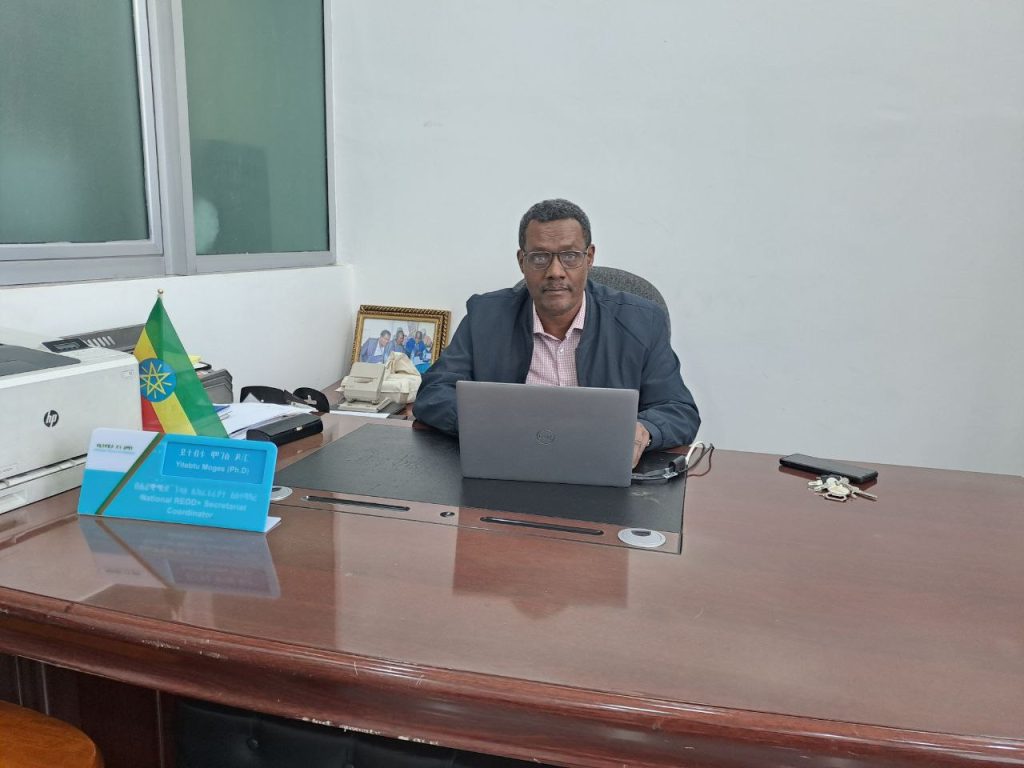
He noted that 75 percent of carbon credit revenues go directly to communities protecting forests, with Ethiopia having the potential to earn up to USD 1.5 billion every four years from carbon markets.
Amos Amanubo, Africa Regional Coordinator at the Global Landscapes Forum (GLF), said REDD+ has played a critical role across the continent by shifting forest use from short-term exploitation to long-term value creation.
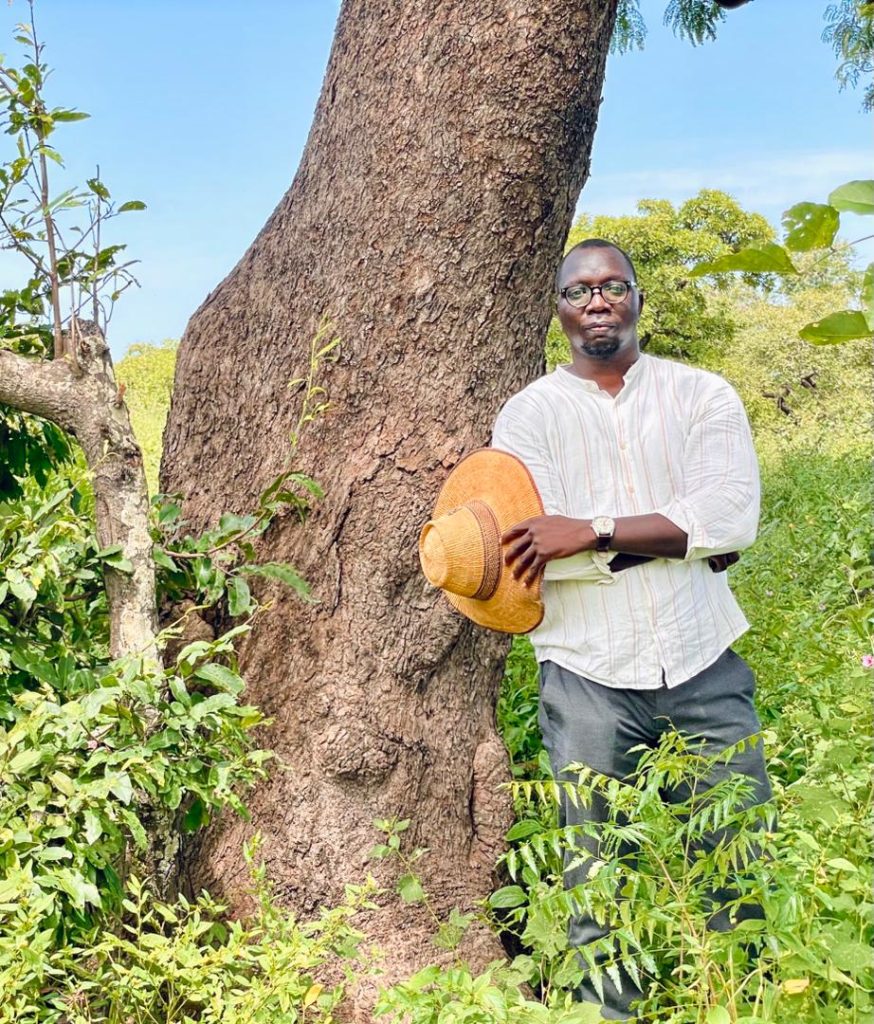
“REDD+ has helped strengthen forest governance, national monitoring systems, and land-use planning,” Amanubo said, noting that the program has elevated forests as both economic and ecological assets within national development strategies.
He said Ethiopia stands out for embedding REDD+ within its broader Climate Resilient Green Economy strategy, helping slow deforestation in high-forest regions such as Oromia and the southwest.
However, Amanubo cautioned that challenges remain, including land tenure insecurity, population pressure, competing development priorities, and the need for more predictable carbon finance.
“REDD+ has proven effective as a systems-building and learning mechanism rather than a silver bullet,” he said. “Its long-term success will depend on deeper community ownership, stronger livelihood integration, and scaling results-based finance that genuinely rewards conservation.”
Across Africa, he added, REDD+ has laid essential foundations for forest governance and climate action, even as countries work to move from pilot projects to large-scale, sustainable implementation.