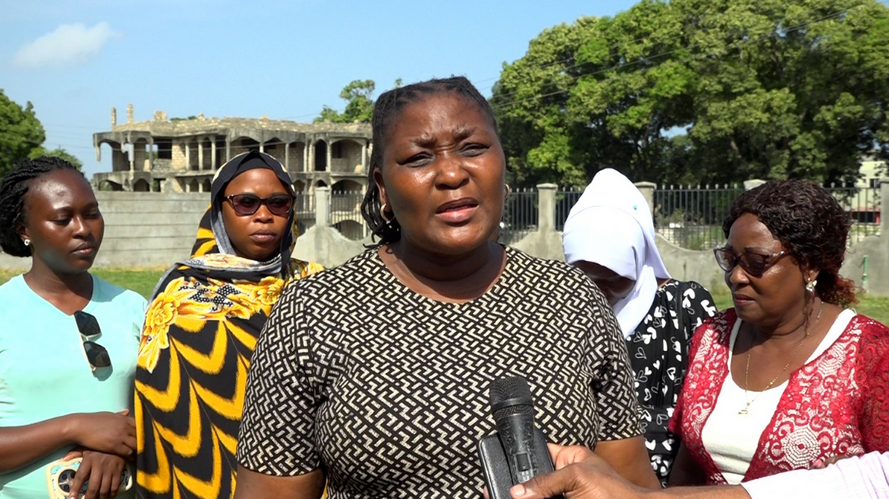
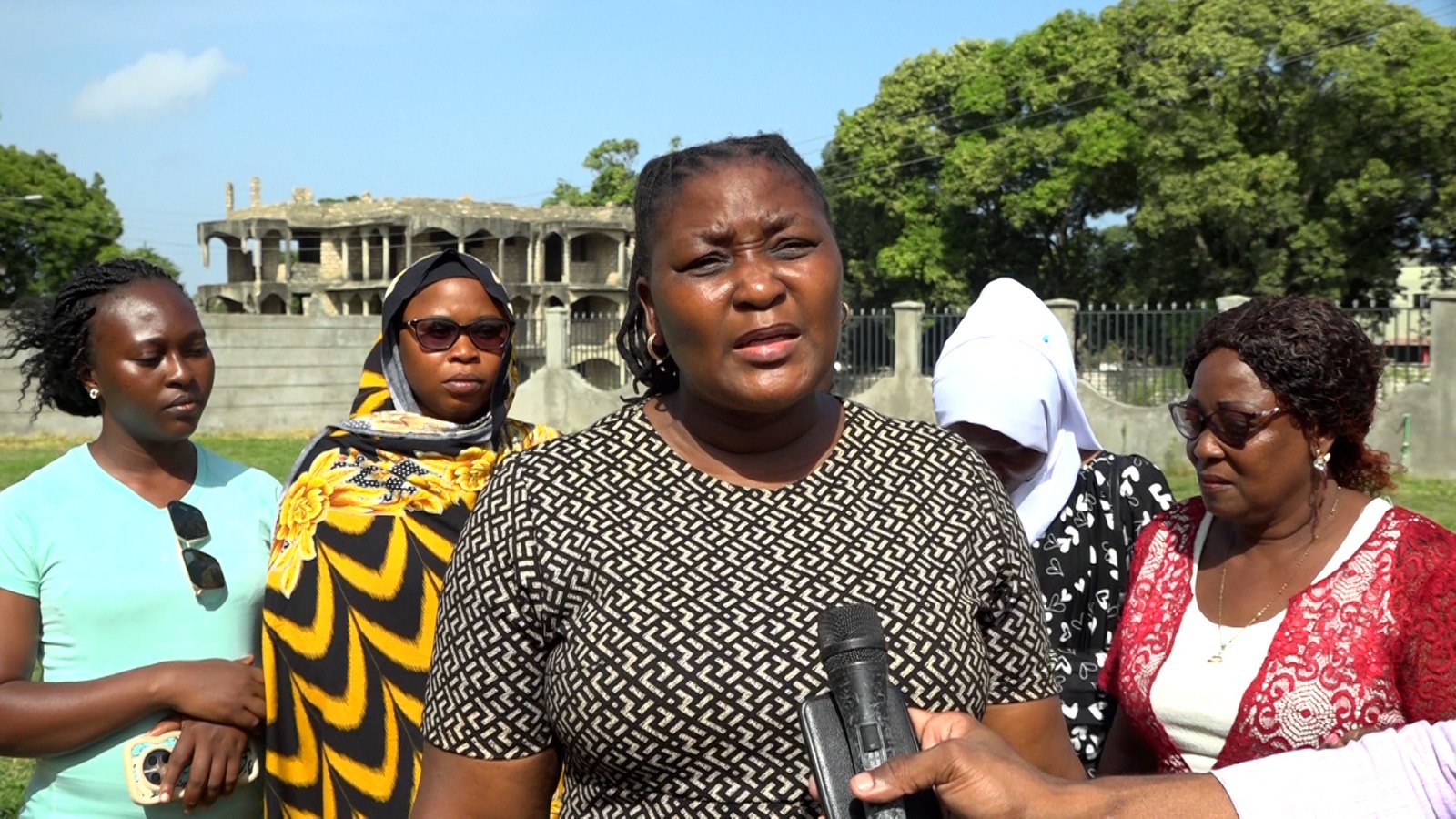
 Dr Luciana Swazua, who represents Mombasa women in the association, speak during a press conference in Mtwapa.Women and youth
leaders from the Coast region have condemned recent attacks targeting the
Umwenga Wehu Association
They have also reaffirmed
their support for veteran politician Chirau Makwere, who was installed as the Mijikenda
community spokesperson on December 27, 2025.
The association
brings together all nine Mijikenda sub-tribes —Giriama, Chonyi, Kauma, Kambe,
Digo, Ribe, Rabai, Duruma and Jibana — with the aim of advancing the community’s
political, social and economic interests.
Speaking during
a forum in Mtwapa municipality, Kilifi county, Dr Luciana Swazua, who
represents Mombasa women in the association, described the initiative as the
first concrete step towards Mijikenda unity after years of dialogue.
“This process
has involved consultations across all our counties, from Kwale to Lamu. We urge
women not to be left behind because they are the most affected when development
fails,” Swazua said.
She noted that
women at the Coast have historically been sidelined from meaningful
participation in development, often due to a few individuals acting as
gatekeepers for personal gain.
“We want
development benefits to reach every woman and every child. As an association,
we have a vision to nurture the dreams of our people,” she added.
Swazua
challenged women to seek leadership positions, saying divisions within the
community had been fuelled by individuals with selfish interests. She also
called on critics of the unity drive to engage constructively rather than sow
discord.
Youth leader
Jacinta Mbeyu said the Mijikenda had reached a turning point, similar to other
communities across the country that have united to address shared challenges.
“Why not the
Mijikenda? That is why all nine sub-tribes came together to choose one
spokesperson. Sixty-two years after independence, many of our people are still
living as squatters,” Mbeyu said.
She lamented
that despite the region’s wealth in minerals and ocean resources, the community
had little to show for it, accusing some leaders of prioritising personal
interests over collective welfare.
Human rights
defender Victor Kaudo expressed concern that internal divisions had persisted
decades after independence.
“Umwenga Wehu
means our unity as the Mijikenda. As a community, we agreed to give Chirau Ali
Makwere this role because of his track record as an MP, minister and
ambassador,” Kaudo said.
He criticised
attempts by some individuals to position themselves as alternative
spokespersons, warning that such moves risk creating confusion. “We cannot have
two spokespersons for the same community. This initiative is not about
endorsing any political party or individual but about liberating our people,”
he said.
Emily Maendeleo
said the association would enable the Mijikenda to speak with one voice and
promote equitable distribution of resources among all nine tribes.
Halima
Mohammed from Rabai subcounty urged Mijikenda youth to rally behind the
initiative, while Maridhia Omar from Kaloleni likened Umwenga Wehu
to regional associations such as Gema, which have successfully advocated for
their communities.
“These
associations push for their people’s interests and get results. Why not us?
Currently, the Mijikenda are underrepresented in government compared to other
communities,” Omar said.
She called on
leaders opposing the association to seek clarity on its objectives instead of
spreading misinformation.
INSTANT
ANALYSIS
The Mijikenda initiative highlights
a growing push for ethnic cohesion as a tool for political and economic
empowerment at the Coast. By rallying behind Umwenga Wehu Association and
endorsing a single spokesperson, women and youth leaders are signalling fatigue
with fragmentation that has historically weakened the Mijikenda voice.