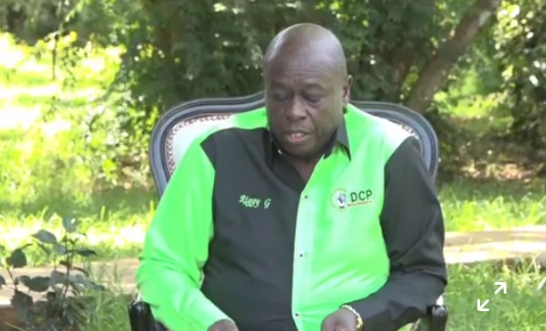
 Former Deputy President Rigathi Gachagua, when he addressed the press on January 9, 2025/SCREENGRAB
Former Deputy President Rigathi Gachagua has intensified his critique of leaders from Northern Kenya, questioning their investment in public institutions despite what he described as “massive resources” allocated to their counties under devolution.
Gachagua said leaders from the region “should not lecture us about affirmative action,” adding that 13 years after devolution began, the argument that some counties should continue receiving preferential treatment in the placement of students to national schools may no longer be justified.
“Devolution has been in place since 2013, and leaders from those regions have not developed institutions at the same pace, yet they want their children to benefit from facilities established by other counties,” he said Friday during a press conference in Nyeri.
“They have the opportunity to develop institutions of the highest standards possible in Kenya, not just for the children of those areas, but for the children of Kenya,” he said, adding that comparable counties in Western, Rift Valley and Mt Kenya regions had used smaller amounts to establish “beautiful institutions.”
Gachagua noted that during his tenure as deputy president, he observed limited development in Northern Kenya despite sustained transfers of public funds.
“I travelled as deputy president to those areas, and I did not see new institutions corresponding to the level of funding received,” he claimed.
“I was surprised that some leaders from Northern Kenya did not reside or work there. Anytime I visited some counties, they requested space on my aircraft. I would travel with them both ways.”
He said the country needed a structured debate on whether affirmative action and zoning for national school placement should continue.
“Devolution was meant to bring equity. Equitable allocation of CDF funds was intended to bring equity. Thirteen years later, does any county still require affirmative action? We need to discuss this,” he said.
“For how long are we going to have affirmative action?”
The remarks follow Gachagua’s recent comments questioning the National Placement Service policy that gives special consideration to learners from historically marginalised regions in accessing national and extra-county schools.
The DCP leader also questioned why children from other regions attend national schools in Mt Kenya, while some from the region are placed in ‘smaller schools’.
Northern Kenya leaders, including MPs led by Farah Maalim and several governors, criticised Gachagua, saying affirmative action in education remains necessary due to decades of marginalisation, insecurity, teacher shortages and cultural barriers that continue to affect the region’s performance.
The leaders added that placement reforms should be addressed through institutional channels rather than what they described as “political incitement” or “regional chest-thumping.”