Credit: WFP/Claire Nevill
A pivotal conference on December 19, 2025, in the Rayburn Building’s Conference Room 2168 of the U.S. Congressional Building spotlighted Ethiopia’s mass killings, thrusting the nation’s deepening human rights crisis into focus. Organized amid escalating ethnic tensions and political instability, the event highlighted atrocities in regions like Amhara, Arsie, and Wollega, where government forces, militias, and armed groups perpetuate widespread abuses.
Over 2.9 million internally displaced people as of late 2024, plus more than 141,000 refugees abroad, underscore the scale, rivaling crises in Syria or Ukraine yet often overshadowed by other African hotspots.
Roots in Ethnic Federalism and Political Instability
Ethiopia’s ethnic federalism policy prioritizes ethnic identity over national cohesion, fueling devastating human rights violations and Ethiopia’s mass killings in Amhara communities since August 2024. Hundreds have died in clashes, including refugees, with infrastructure like hospitals left in ruins, compounding impunity under a transitional justice policy lacking transparency. This flawed framework exacerbates conflicts across Arsie and Wollega, displacing millions and eroding unity, as speakers warned of systematic targeting signaling potential genocide.
Escalating Atrocities in Targeted Regions
Ongoing battles in Amhara have spilled into civilian areas, destroying healthcare and leaving survivors without aid, while regional clashes amplify the human rights toll. The Congressional venue amplified calls to align responses with the Universal Declaration of Human Rights, positioning Ethiopia’s mass killings as a catastrophe demanding accountability beyond opaque policies.
Religious Persecution Amid Ethnic Violence
Orthodox Christians face slaughter intertwined with Amhara targeting, evoking genocide warnings as mass killings evade global scrutiny. The crisis persists due to policy failures in protection, with religious persecution mirroring broader ethnic divisions that demand urgent international elevation of marginalized voices.
Impunity and Global Oversight Gaps
A transitional justice policy promises reform but delivers none, allowing perpetrators free rein amid human rights abuses. Conference discussions stressed accurate information’s role, noting
“the international community needs accurate information to act; we must speak up,”
to mobilize against Ethiopia’s overshadowed plight.
Scale of Displacement and Humanitarian Fallout
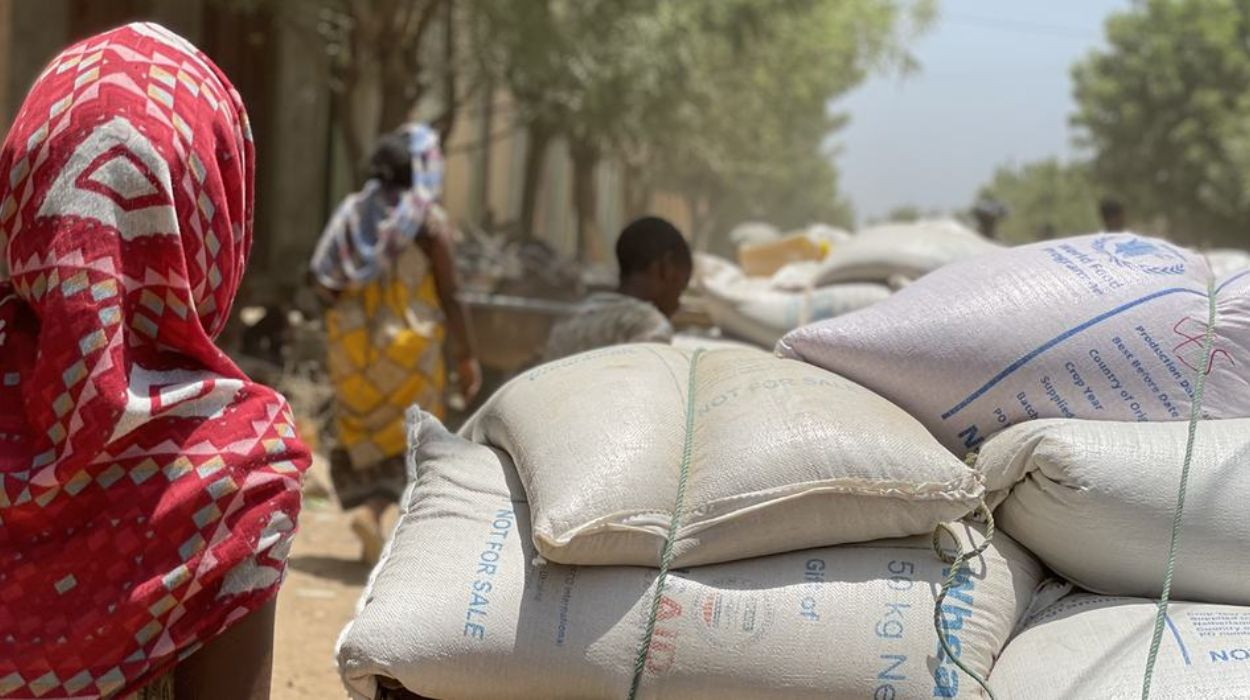
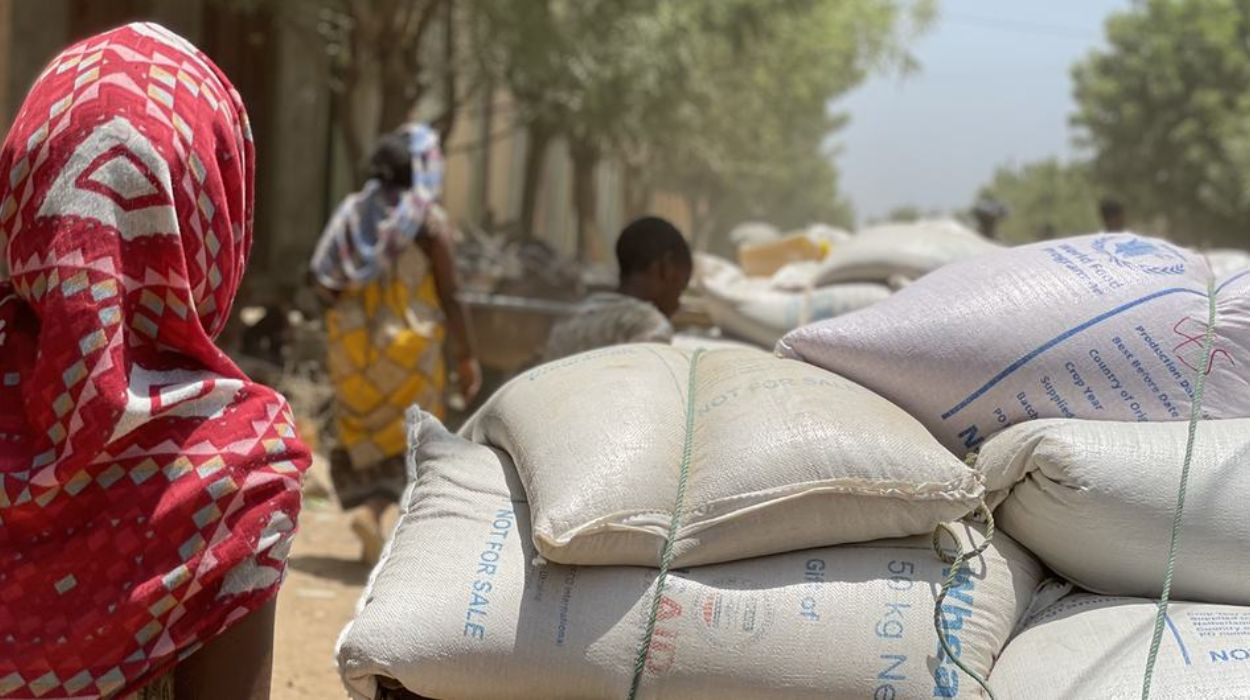
Ethiopia’s mass killings have displaced 2.9 million internally by late 2024, with 141,000 refugees fleeing violence-fueled chaos. Damaged hospitals and famine risks compound the human rights emergency, as ethnic policies drive long-term destabilization into 2026 without intervention.
International Response and Path Forward
Held in late 2025, the conference coincides with reports detailing persistent abuses despite policy pledges, urging U.S. leadership under President Donald Trump via sanctions and aid shifts. Voices converged on dismantling ethnic federalism’s legacy, with “it prioritizes ethnic identity over national cohesion, devastating Amhara communities,” highlighting the need for transparency and protection.
Unified Calls for Accountability
Stakeholders emphasized human rights education and global pressure, warning
“mass killings of Orthodox Christians and Amharas [represent] a potential genocide,”
while noting
“Ethiopia’s crisis rivals those in Syria or Ukraine, [yet is] overshadowed.”
This consensus pushes for UN and AU action on policy reforms.
Geopolitical Implications for Regional Stability
Ethiopia’s mass killings threaten Horn of Africa stability, with refugee flows burdening Sudan and Kenya. Congressional hosting signals potential resolutions tying aid to human rights improvements, preventing similar policies from spreading globally.
Economic Strain and Justice Shortfalls
Conflict costs cripple Ethiopia’s economy, with ruined infrastructure stalling recovery under flawed transitional policies. Human rights advocates link these to ongoing Ethiopia’s mass killings, advocating sanctions alongside humanitarian corridors for genuine reform.
Urgent Need for Global Intervention
This alert demands action on Ethiopia’s mass killings, where policy failures ignite human rights catastrophes. Elevating voices through education and accountability can avert irreversible escalation, restoring national cohesion.