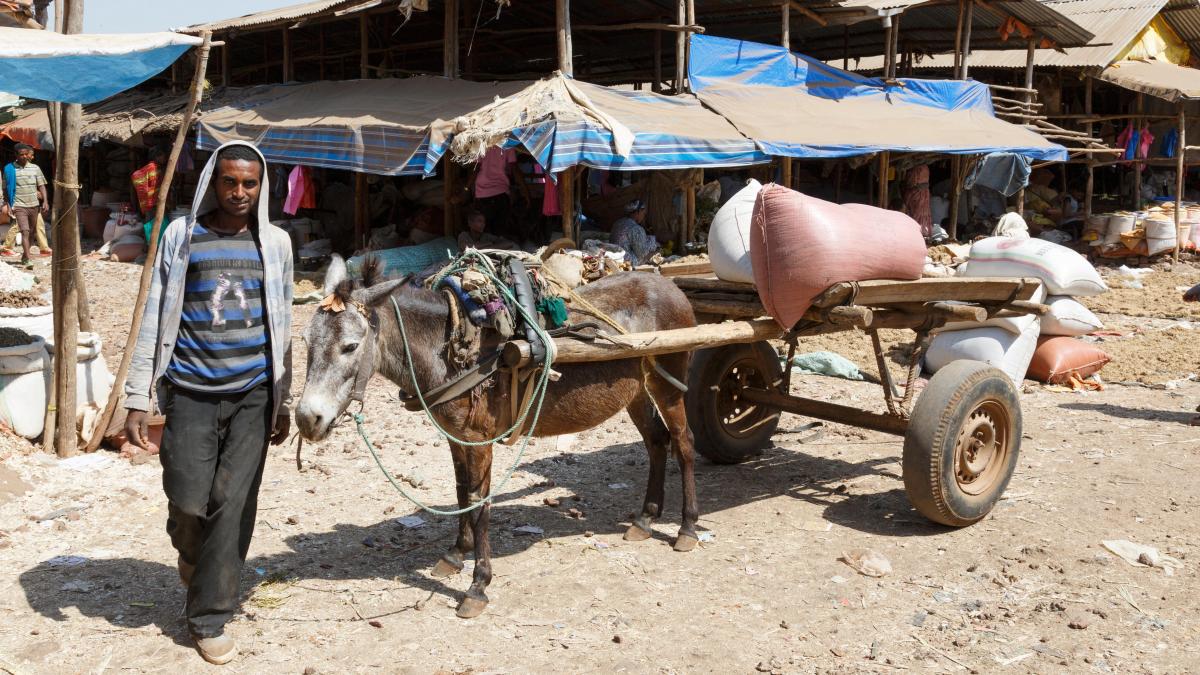
A donkey hobbled on three legs through the clinic gate, holding its fourth clear of the cobbles. The lameness had worsened over the week, its owner said.
It was among the steady flow into the facility near the vast Merkato grain market, in Ethiopia’s capital, where donkeys haul the loads that keep the trade moving. The vet turned first to the animal in pain, ahead of those braying and stamping in a pen for de-worming or treatment of harness wounds.
He traced the swollen leg to an infected puncture on the hoof and opens it with a small tool. Within minutes the sole was drained and cleaned, and the donkey was back on four legs. The owner, in his sixties, was impatient to return his beast to work.
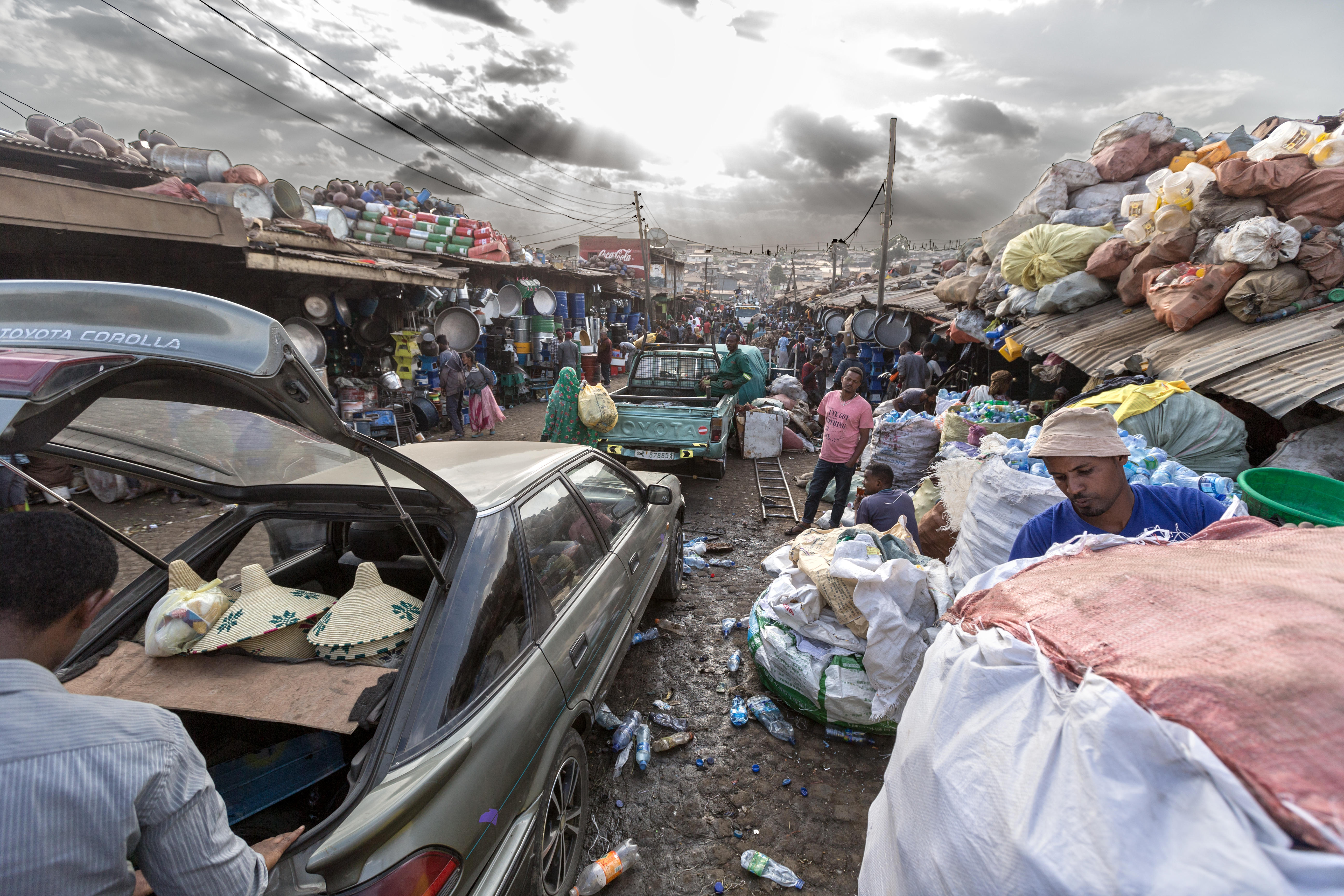
“There is an Ethiopian proverb that means ‘If you don’t have a donkey, you are the donkey yourself’,” said Tesfaye Megra Bedada, the project co-ordinator for The Donkey Sanctuary, a British charity that runs the free clinic in Addis Ababa with local vets.
Ethiopia’s ten million-strong donkey population is the largest in the world and plays a big economic role, ploughing fields and transporting goods as a cheaper alternative to mechanical vehicles at a time of sharply rising fuel costs.
The Donkey Sanctuary, based in Devon, established the clinic at Merkato, which is run by the College of Veterinary Medicine and Agriculture (CVMA), nearly 20 years ago. It treats more than 4,000 animals a year.
The lack of grazing in the capital and the rising cost of animal feed force many donkeys to nibble on whatever they find, often plastic bags and wrappers that can cause colic. Plastic pollution was now a bigger danger to donkey welfare than the strain of their heavy workload, said Dereje Tsegaye, the clinic’s vet, outside the stables that house the most serious cases.
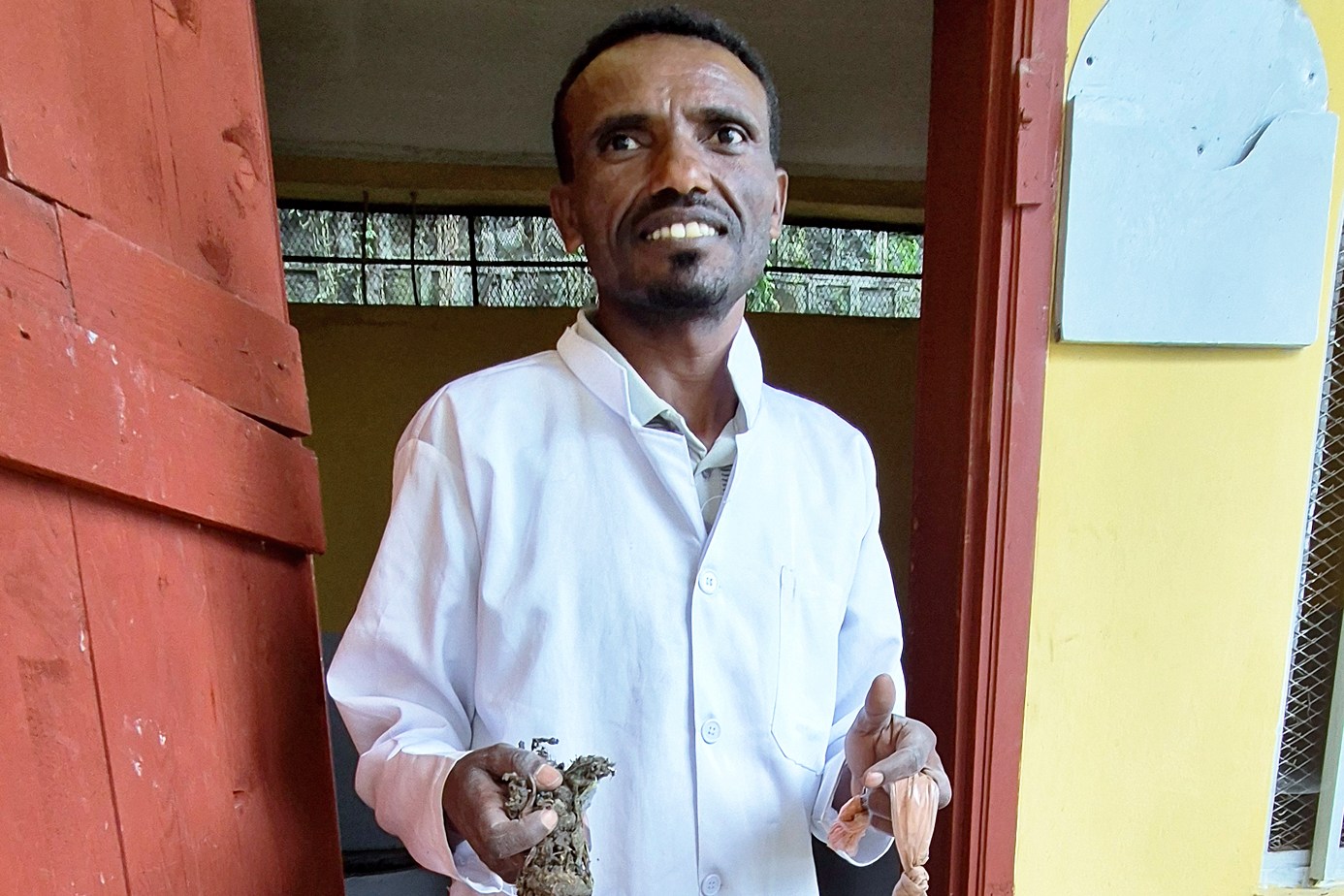
Dereje Tsegay, the clinic’s vet
JANE FLANAGAN FOR THE TIMES
To educate owners, Dereje keeps a box of the compacted debris he has pulled out of ailing donkeys in recent months.
“We see more and more cases of ingested plastic which is agony for the animals and we can’t always save them,” Dereje said. The Donkey Sanctuary works across Ethiopia and beyond, but millions of animals remain out of reach and are often abandoned once they can no longer work.
Ethiopia, at least, has now recognised donkeys as sentient beings in law — a step that animal welfare advocates hope will translate into better protection on the ground.
Another arrival at the clinic was Wegderes, 19, who came with the four donkeys he uses to carry grain sacks for clients across the city, earning up to 600 birr a day (£2.85). It is not a bad income in a country of 135 million where a third of the population lives below the World Bank’s international poverty line of $3, or £2.22, a day.
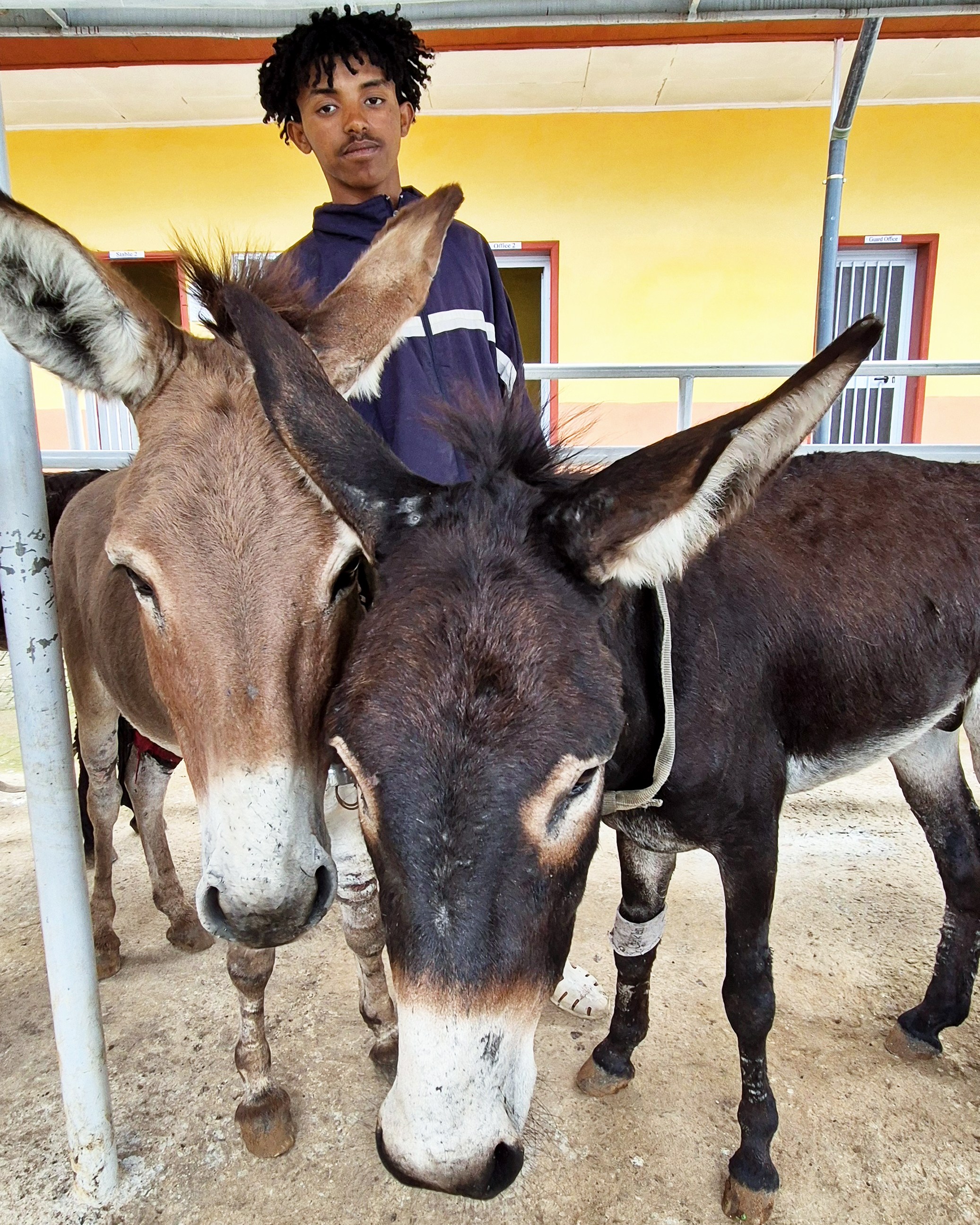
Wegderes, 19, has four donkeys he uses to carry grain sacks for clients across the city
JANE FLANAGAN FOR THE TIMES
Like many of the donkeys that come in, his are tied with hobble straps to stop them straying, leaving their legs cut and scarred. The vet and Tesfaye from the British charity explain why they should be loosened.
His rough handling belies the affection the teenager says he has for the animals he inherited after his father’s unexpected death two years ago. The market was an old-fashioned place to be, Wegderes said, and although he would rather have a car and start a business, he took his animal care seriously.
His names for the donkeys roughly translate to Grey, Light Grey, Blackie and The Great One, which can carry up to 200kg. He never misses a check-up at the clinic or de-worming treatment.
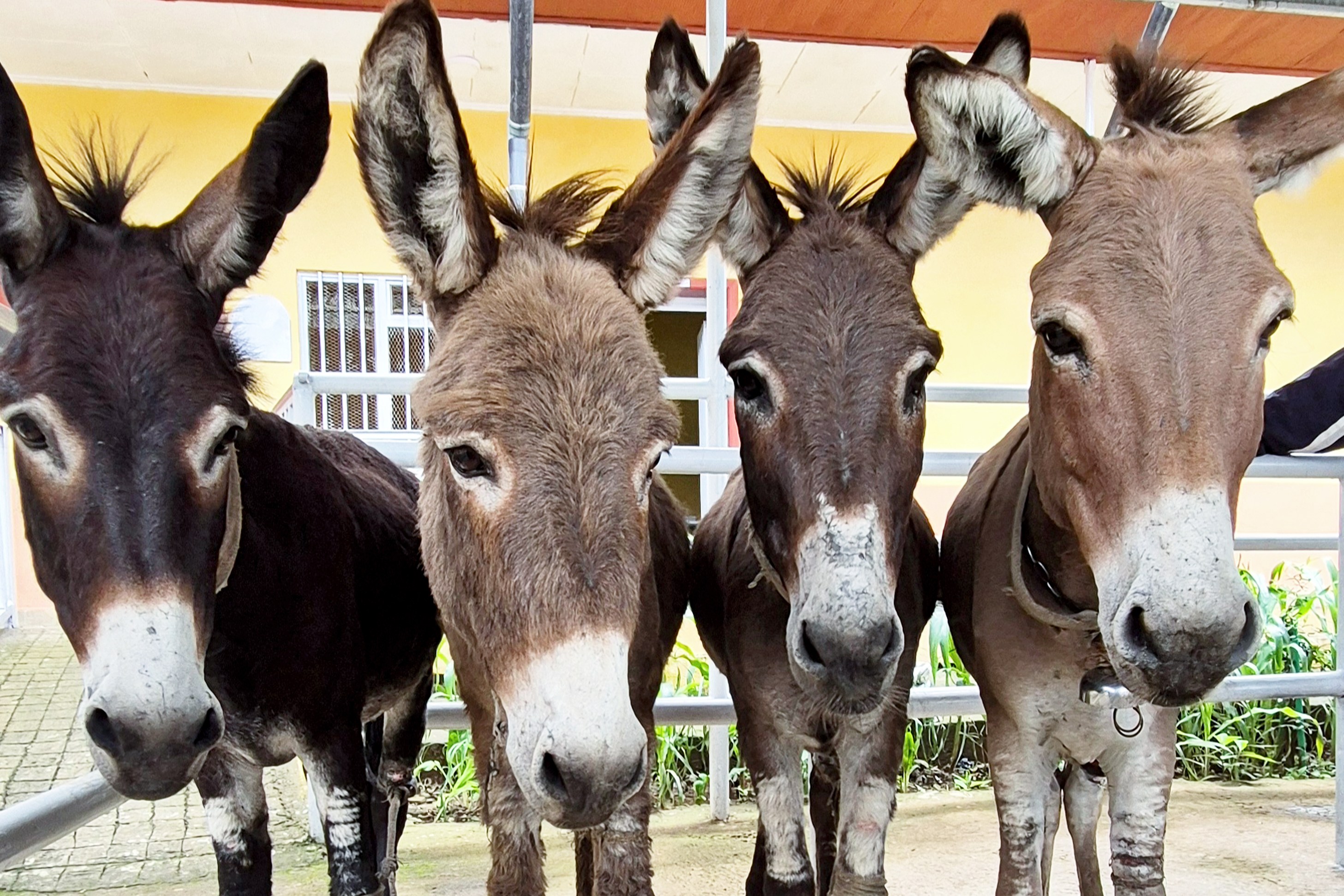
Wegderes’ donkeys: Blackie, Light Grey, Grey, and The Great One
JANE FLANAGAN FOR THE TIMES
“They weren’t my ambition, but they feed me and I must look after them,” he said.