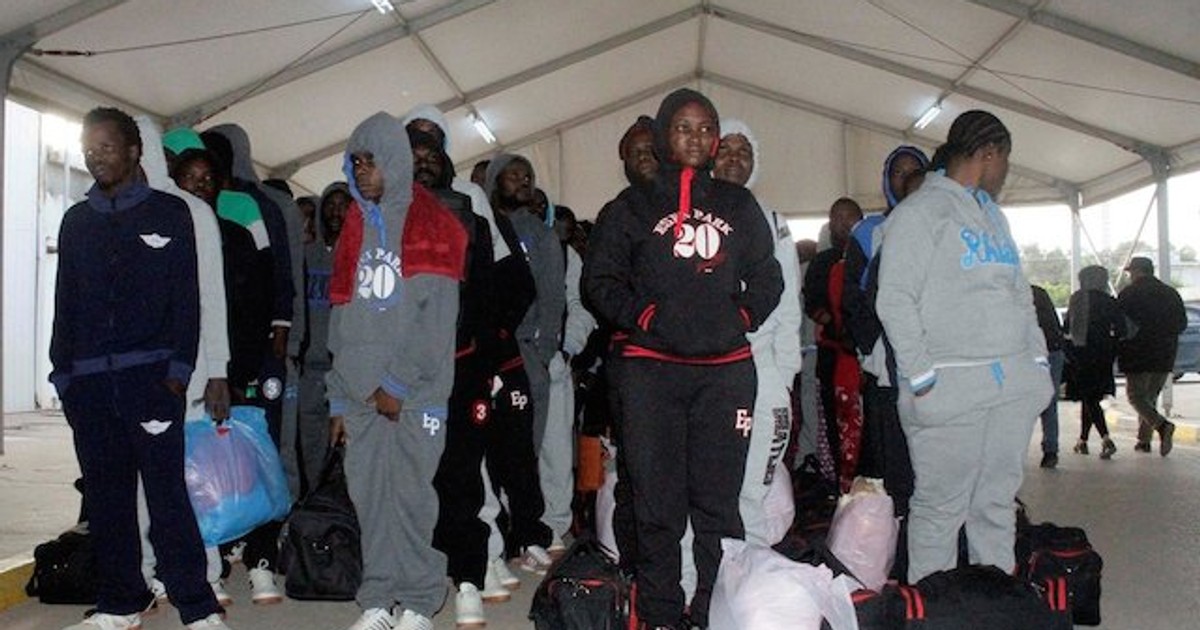
The deportees include 42 Nigerians, 13 Cameroonians, seven Beninese, three Ivorians, and three Burkinabe nationals. The operation was carried out by the Ghana Immigration Service (GIS) after the conclusion of legal processes, according to Ashanti Regional Minister Frank Amoakohene.
In a statement published on his Facebook page, Amoakohene praised the GIS for what he described as “professionalism, diligence, and firm commitment to enforcing our immigration laws,” while stressing that due process and human dignity were observed throughout the exercise.
He added that cooperation between immigration officers, the courts, and other security agencies was critical to maintaining public safety and protecting vulnerable persons in the region.

Weak borders, strong consequences
The Ashanti deportations reflect a broader African dilemma: the gap between aspirations for open borders and the realities of weak enforcement and rising transnational crime.
Criminal networks, human trafficking rings, and migration-related fraud have increasingly exploited porous borders, making governments more cautious about liberal entry policies. As a result, security concerns often override integration goals.
These actions highlight how instability, limited regional coordination, and criminal exploitation of migration routes have pushed states toward restrictive, enforcement-heavy approaches.
For countries like Ghana, the challenge lies in balancing regional solidarity with domestic security. While deportations are framed as lawful responses to criminality, they also expose how fragile border governance has become across the continent.