Home » SOUTH AFRICA TRAVEL NEWS » Wildfires Ravage South Africa’s Popular Tourism Regions, Leaving Travelers Stranded and Businesses in Crisis
Published on
January 10, 2026
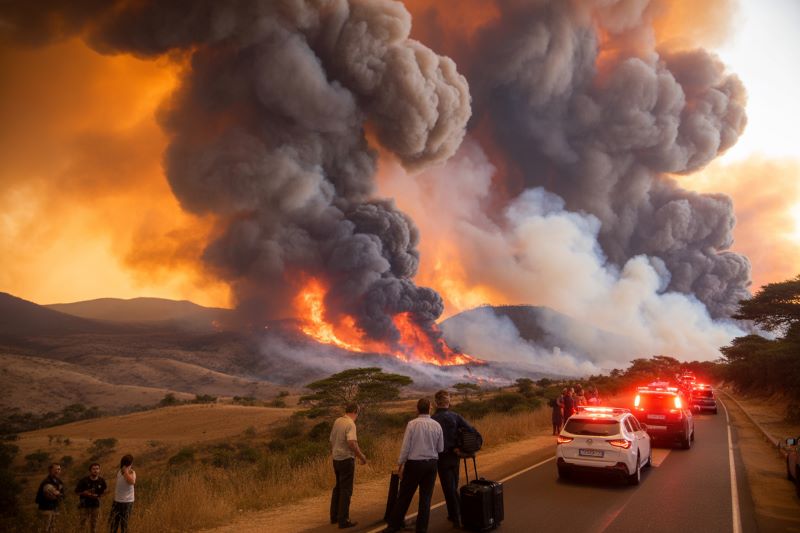
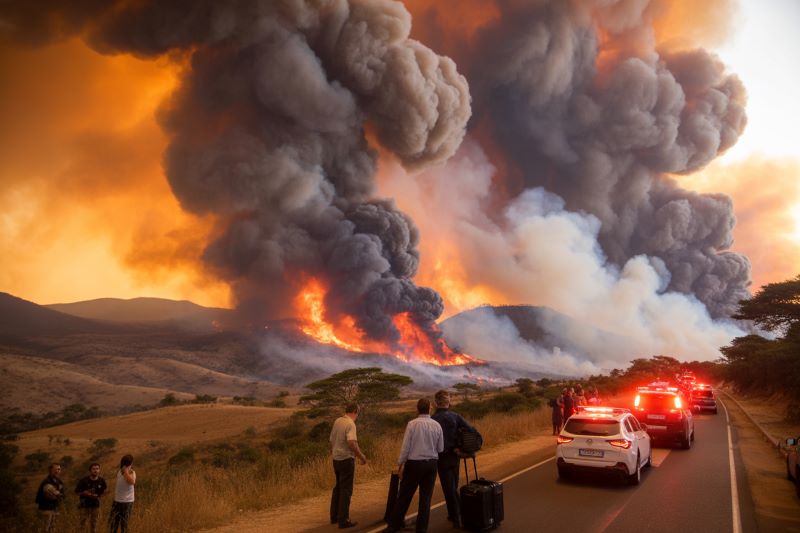
South Africa’s Eastern and Western Cape provinces are grappling with devastating wildfires that have forced evacuations and disrupted travel across key tourism hotspots in January 2026. The fires have had a catastrophic impact on both residents and visitors in popular destinations, causing widespread damage and significant disturbances to local tourism operations.
With the fires raging across vast areas of the Garden Route, Stellenbosch, and other major travel spots, the flames have disrupted travel plans for thousands of tourists. The government has issued travel warnings for areas under threat, advising holidaymakers to avoid certain regions while evacuations continue. Local businesses, especially those in the hospitality and tourism sectors, are bracing for financial losses as a result of the ongoing crisis.
Wildfire Outbreaks and Evacuations
The fires in the Eastern and Western Cape have been particularly severe, with several regions under emergency evacuation orders. Fires sparked by extreme heat and dry conditions spread rapidly, threatening residential areas, national parks, and wildlife reserves, causing panic and displacing thousands of people.
In Cape Town, the city’s tourism industry has been hit hard. Known for its stunning landscapes, wineries, and coastal beauty, the city is now facing a significant downturn in tourist activity as fires threaten surrounding areas such as Stellenbosch and the popular beaches along the peninsula. These locations, typically packed with tourists in January, are seeing fewer visitors due to the smoke and ongoing risk of more fires.
Major Travel Disruptions
Flight delays and cancellations have become common as smoke and ash cloud the skies, making it difficult for planes to land safely. Airports in Cape Town and surrounding areas are reporting significant disruptions, including long wait times for passengers as services are limited. Tourists are being advised to check with airlines for the latest flight updates.
Meanwhile, local roadways remain closed, particularly in the Garden Route area, where firefighters have struggled to contain the flames. Travel disruptions have led to a surge in accommodation cancellations as visitors are unable to access the region. Tourism operators are now facing immense challenges, especially those offering guided tours in areas heavily impacted by the fires.RegionDetailsImpactEastern Cape (Kouga Municipality)Immediate evacuations ordered in local communities; Dense smoke forced closure of the N2 between Jeffreys Bay and Humansdorp.Evacuations, travel disruptions on N2.Western Cape (Overberg)Major fires burning in Pearly Beach, Stanford wine farms, and Greyton; Winds pushing flames over containment lines.Wildfire spread, threats to local vineyards and farms.Western Cape (Garden Route)Fire destruction in Mossel Bay (10 homes destroyed) and 19 square kilometres burned; Fire stopped early Thursday.Property damage, 19 sq km burned.Western Cape (Cape Town)Fires affecting local areas, with efforts to contain.Ongoing fire containment operations.Western Cape (Keurbooms–Soetkraal, Tsitsikamma)One of the largest active fires in the area (10,000 hectares), likely started by lightning; Focus on containment.Large-scale fire (10,000 hectares), containment efforts underway.
Economic Impact on Tourism
The fires are set to inflict serious economic damage on the tourism sector. According to government estimates, tourism contributes significantly to the region’s GDP, with international visitors flocking to the Cape’s natural beauty and cultural offerings. However, with travel to the region severely restricted, businesses such as hotels, restaurants, and tour operators are bracing for a tough few months ahead.
Local authorities are working tirelessly to support those impacted, but the long-term effects on tourism remain unclear. The tourism sector, which had been showing signs of recovery following the COVID-19 pandemic, now faces an uphill battle to regain momentum in the wake of the wildfires. Many businesses are looking to government support to help recover lost revenue, particularly as the fires continue to burn and the tourist season remains disrupted.
Recovery and Safety Measures
In response to the wildfires, government officials are focusing on safety measures to protect both residents and tourists. Firefighting teams are working around the clock to contain the fires, with assistance from aerial water drops and international firefighting teams being brought in. Additionally, evacuation centers have been set up to provide shelter for displaced individuals.
For tourists still in the affected areas, local authorities have urged caution and have advised travelers to stay in safe zones. Many major tourist attractions, such as the Stellenbosch wine estates and the beaches around Cape Town, are temporarily closed, and the public has been encouraged to stay away from these areas until further notice.
Despite the challenges, authorities are optimistic that with continued firefighting efforts, normalcy will return soon, though it may take months for the region to fully recover from the devastation.
Humanizing the Impact
The emotional toll on local communities and tourism businesses cannot be understated. Families have been displaced, livelihoods have been destroyed, and many of the areas tourists flock to for relaxation and adventure are now under threat. Local workers in the tourism industry, from hoteliers to tour guides, are facing uncertainty as the season that should have brought them much-needed income now appears set to be one of their most challenging yet.
For international visitors, the idea of experiencing South Africa’s wild beauty through guided tours, safaris, and wine tastings is increasingly difficult as their travel plans are upended. The loss of income for businesses and employees in the tourism sector also has long-term consequences for the community’s overall economic health.
As firefighters battle the ongoing wildfires and the country recovers from the worst of the crisis, South African officials are working to ensure the safety of both locals and visitors. However, with travel restrictions still in place across many areas, the full extent of the tourism disruption is only beginning to unfold.
The tourism industry, which relies heavily on peak season visitors in January, faces an uncertain future as travel to the Eastern and Western Cape remains restricted. The fires have served as a reminder of the fragility of the natural environment and the need for continued investment in sustainable tourism practices. As the fires rage on, South Africa’s tourism industry holds its breath, hoping that recovery will be swift, and that once the flames are under control, tourists will return to enjoy the natural wonders that have made the Cape region one of the world’s most sought-after destinations.
