Djibouti, 10 January 2026 Djibouti’s government has formally adopted a national migration strategy and a multi-year roadmap, centralizing its response to a 25 per cent surge in migratory movements across the Horn of Africa on Thursday.
The action plan, developed with the Ministry of the Interior and the National Migration Coordination Office (NCM), aims to institutionalize the country’s role as a primary transit hub on the “Eastern Route” toward the Arabian Peninsula.
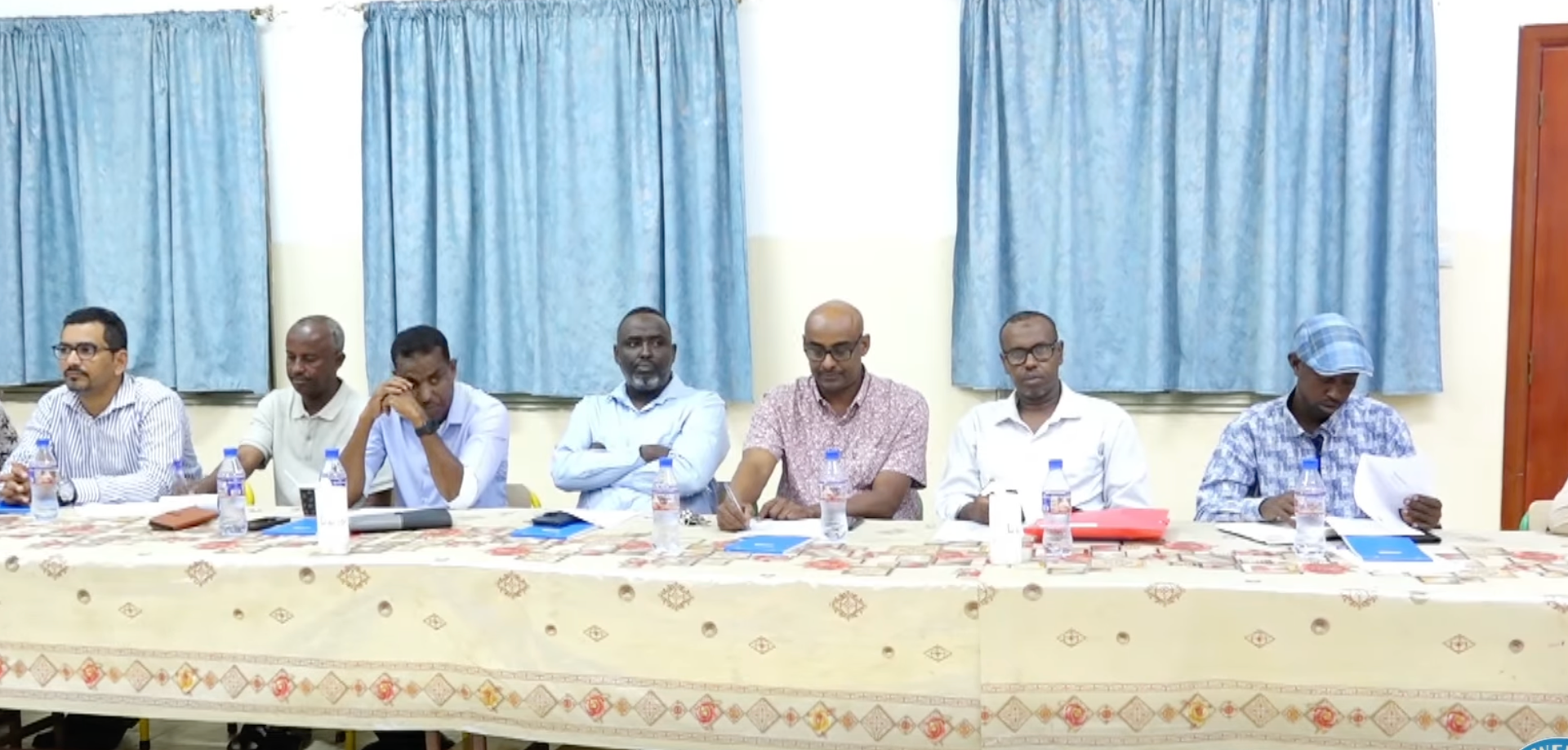
The Secretary-General of the Ministry of the Interior, Souleiman Moumin Robleh, said the document was the product of extensive technical workshops and a national consultation held late last year. He noted that the plan prioritizes institutional strengthening and a cross-cutting approach to regional participation.
The move comes as Djibouti, a nation of approximately 1.1 million people, recorded more than 435,000 migratory movements in 2024. Most of those in transit are Ethiopian nationals fleeing economic hardship or conflict, often traveling through the coastal town of Obock before attempting the dangerous crossing of the Gulf of Aden to Yemen.
International partners, including the European Union and the International Organization for Migration (IOM), have backed the strategy under the framework of the “Khartoum Process.” The regional initiative focuses on dismantling human trafficking networks and preventing the smuggling of migrants between the Horn of Africa and Europe.