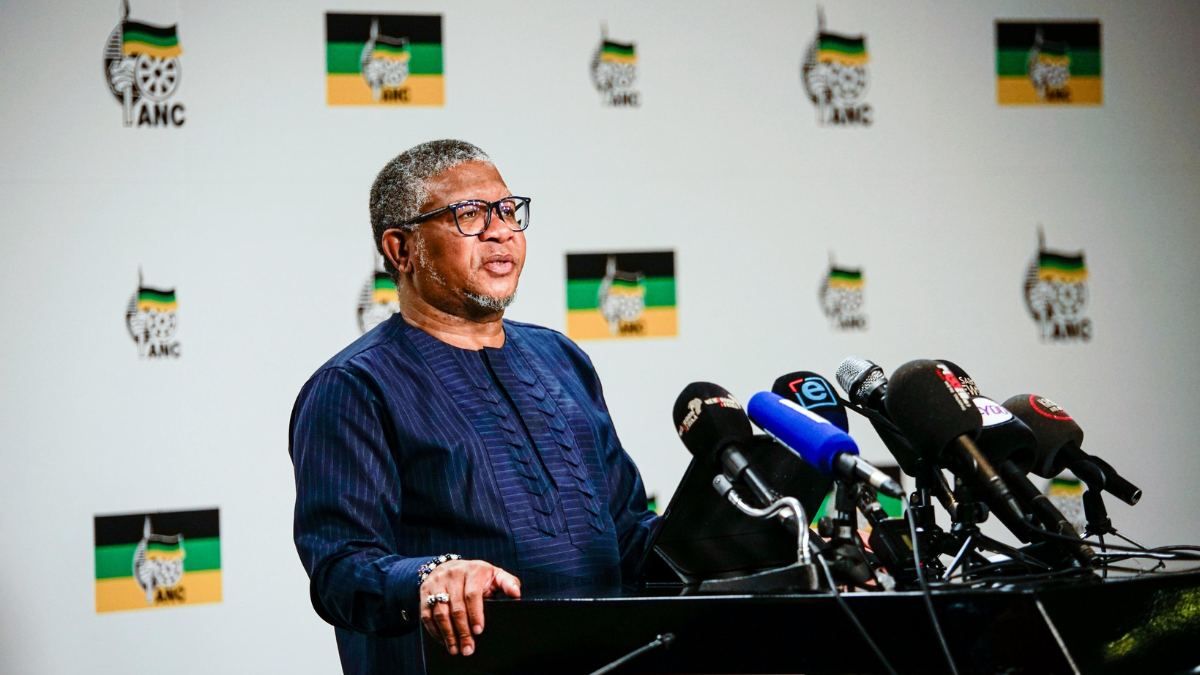
African National Congress (ANC) Secretary-General Fikile Mbalula reignited the debate over long-standing party resolutions.
He voewed that a future ANC-led government would prioritise nationalising the South African Reserve Bank (SARB) and implementing land expropriation without compensation.
In a fiery address on January 9, 2026, Mbalula emphasised these measures as essential for economic transformation and redress, dismissing opposition from figures like U.S. President Donald Trump.
“This economy is not only about tenders. It’s about owning the mines, it’s about participating in the means of production for this economy and to ensure that young people do emerge from entrepreneurs,” said the ANC SG.
“That is why nationalisation of the Reserve Bank is a resolution of ANC. It must be implemented. Comrades, expropriation of land without compensation, when we get back our power, must be implemented.”
“Comrades, we lost many opportunities when we got two-thirds majority… We must stop complaining and behave as if were not in power. We’re governing this country,” he added.
His remarks underscore the ANC’s frustration with its diminished majority post-2024 elections, where it secured only 40% of the vote, leading to the formation of the Government of National Unity (GNU).
Mbalula’s comments hark back to ANC conference resolutions from Nasrec in 2017.
This includes a resolution to nationalise the South African Reserve Bank by transferring ownership to the state “to better align monetary policy with developmental objectives.”
He also reiterated the ANC’s support for land expropriation without compensation as a means to accelerate land redistribution.
These policies, Mbalula argued, would enable governance despite external pressures.
However, critics, including within the GNU, view them as populist rhetoric from a party sidelined in the coalition, especially given the ANC’s 30-year track record of uneven implementation.
GNU contestations
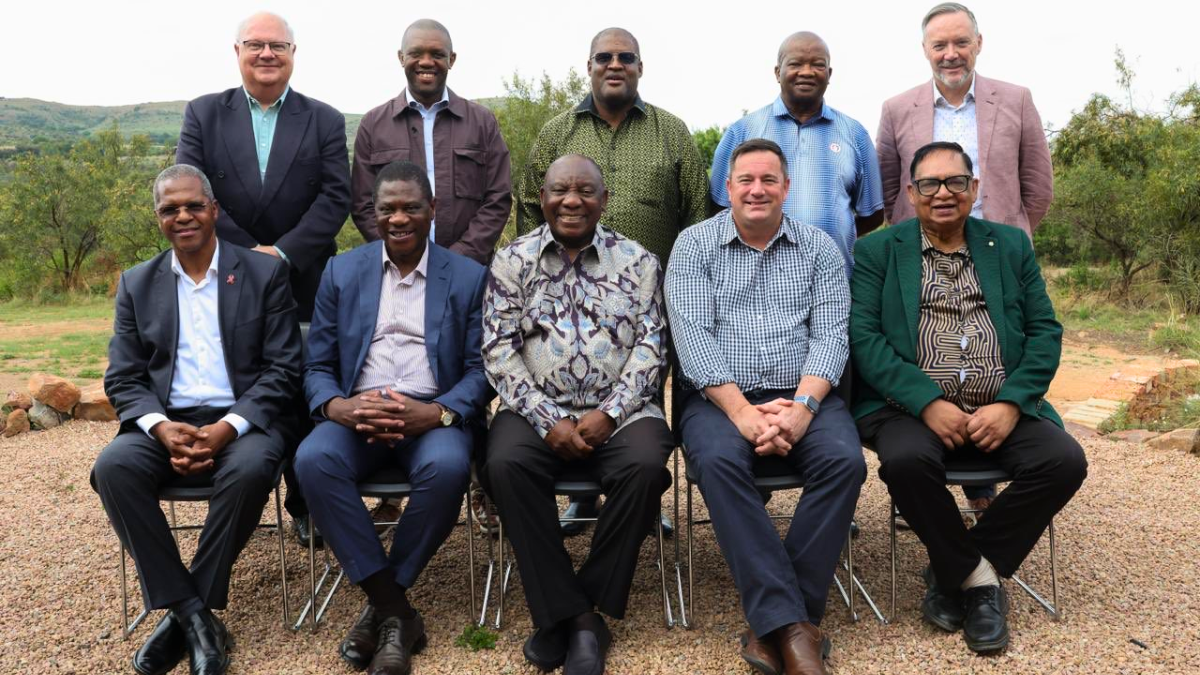
The statements have amplified contrasts with GNU partners, particularly the Democratic Alliance (DA) and Freedom Front Plus (FF+), highlighting ideological rifts in the fragile alliance.
The DA, holding key portfolios, has long opposed SARB nationalisation, labeling it a “hostile takeover” that undermines the bank’s independence and investor confidence.
Former DA finance spokesperson Dion George warned in 2022 that such moves would deepen economic spirals, a stance reaffirmed in party resolutions protecting SARB’s autonomy.
On land, the DA rejects “nil compensation” under the 2024 Expropriation Act, insisting on “just and equitable” payments adjudicated by courts, as per Section 25 of the Constitution.
The party is actively challenging the Act legally, arguing it threatens private property rights essential for growth and jobs.
Similarly, the FF+ decries SARB nationalisation as a threat to democracy, with MP Wouter Wessels stating it creates uncertainty about the bank’s future independence.
The party has vowed to contest the Expropriation Act in the Constitutional Court, viewing “nil compensation” as a direct assault on ownership that could deter investment and exacerbate economic woes.
The FF+ argues these policies reflect ANC’s anti-Western ideology, as seen in foreign policy disputes like Venezuela, further straining GNU cohesion.
These divergences underscore broader GNU tensions. Formed in June 2024, the coalition unites parties with opposing visions: the ANC’s state-led transformation versus market-oriented, property-rights focus.
LIVE NOW | ANC Secretary-General Fikile Mbalula has emphasised the need to nationalise the Reserve Bank and to implement land expropriation without compensation. pic.twitter.com/rjyapAZ6rk
— SABC News (@SABCNews) January 9, 2026
You have read 1 out of 5 free articles. Log in or register for unlimited access.