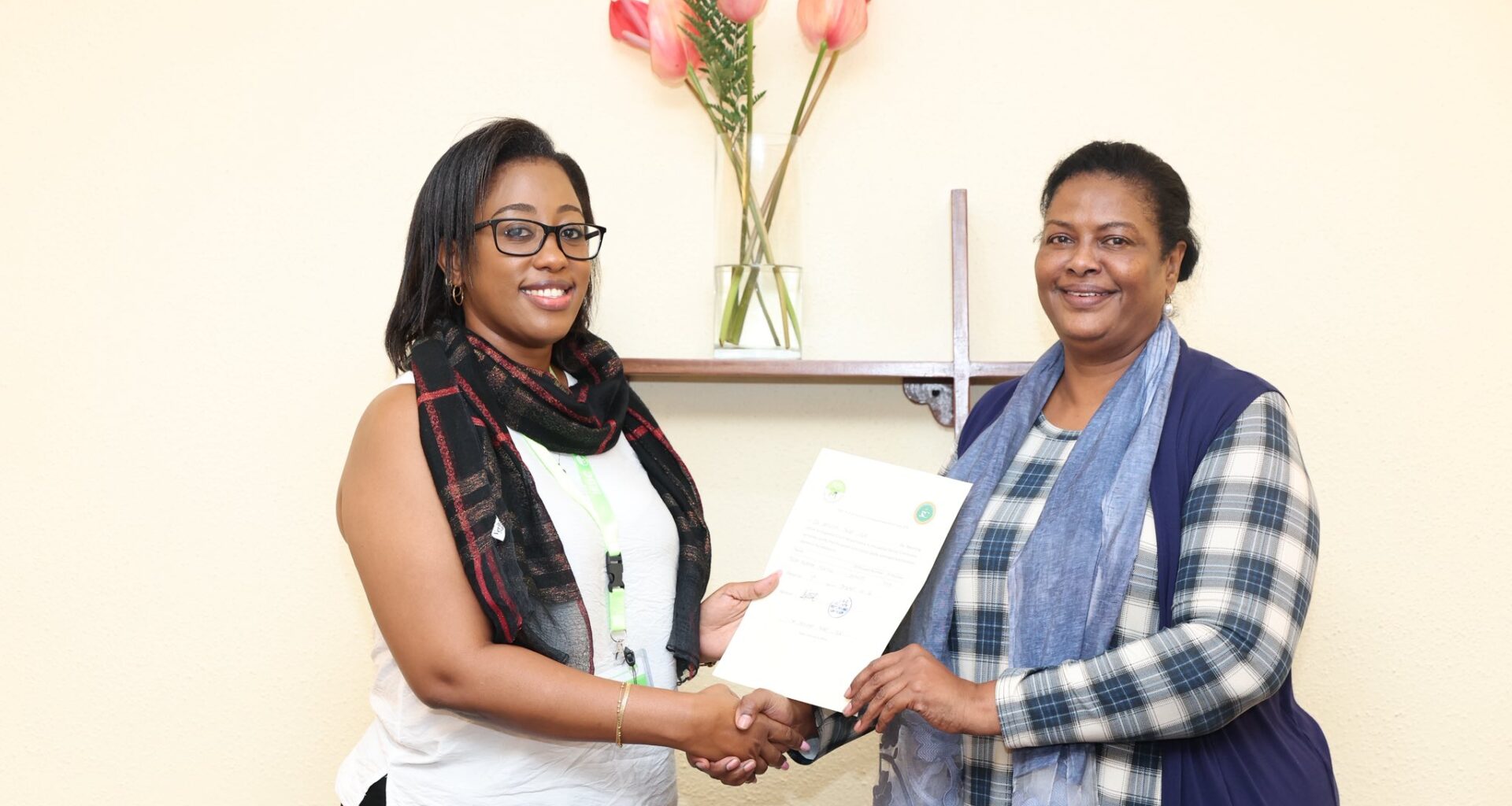
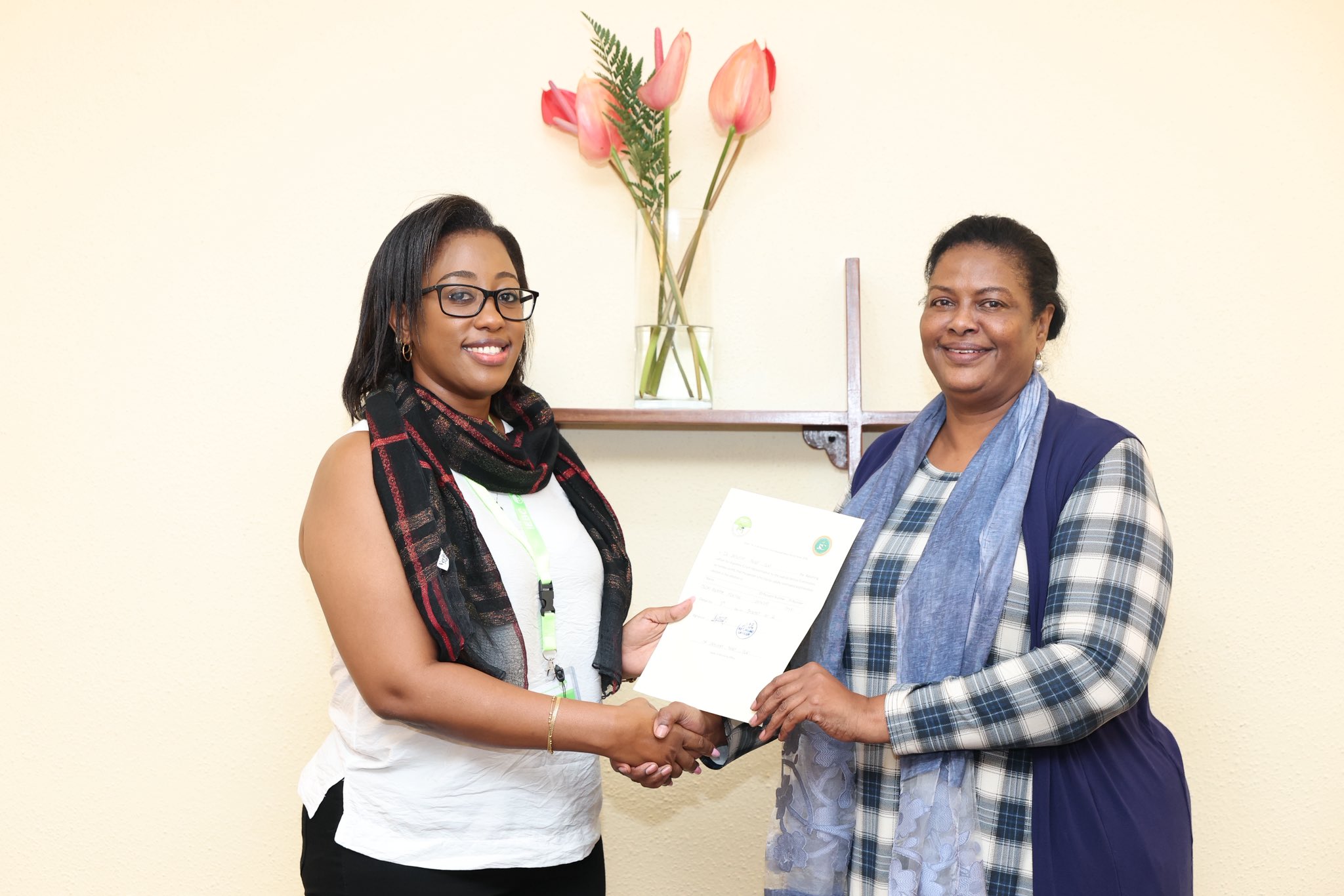
 Justice Njoki Ndung’u receiving a certification after she was elected to represent the Supreme Court to the Judicial Service Commission on January 9, 2026/JUDICIARY/X
Supreme Court Judge Njoki Ndung’u has been chosen as the court’s representative to the Judicial Service Commission (JSC).
She will fill the vacancy left following the death of Justice Mohammed Ibrahim in December 2025.
The election, held on Friday, was conducted by the Independent Electoral and Boundaries Commission (IEBC) through Returning Officer Swalhah Yusuf.
The process followed the requirements of the Judicial Service Act, which directs the Judiciary to nominate a new representative within 21 days whenever a seat falls vacant.
Justice Ibrahim, who passed away on December 17, 2025, after a long illness, had served both on the Supreme Court and the JSC.
He was regarded as a key figure in the evolution of Kenya’s judicial independence and constitutional jurisprudence since the enactment of the 2010 Constitution.
Justice Ndungu, appointed to the Supreme Court in 2011, is among its longest-serving members.
Over her tenure, she has delivered notable opinions on constitutional matters, gender rights, social justice and the protection of fundamental freedoms, contributing significantly to the country’s legal discourse.
Within the Judiciary, she also holds several leadership responsibilities, including chairing the Judiciary Committee on Elections and the Employee Protection and Inclusion Committee.
The vote involved all judges of the Supreme Court: Chief Justice Martha Koome, Deputy Chief Justice Philomena Mwilu, and Justices Smokin Wanjala, Isaac Lenaola and William Ouko.
Her election secures the continued presence of the apex court within the JSC, the constitutional organ charged with judicial appointments, discipline and overall oversight of the Judiciary.
The development has been viewed internally as vital for continuity and institutional stability.
In brief remarks after her election, Justice Ndung’u committed to supporting the Commission’s oversight role and emphasised her intention to advance accountability, access to justice and the protection of judicial independence.
CJ Koome acknowledged her dedication to justice, noting the role of the judiciary in driving social transformation.
“Lady Justice Ndungu’s election ensures continuity in Supreme Court representation at the JSC and reinforces the Judiciary’s commitment to strong institutional governance, integrity, and constitutionalism,” Koome said.
The JSC is established under Article 171(2) of the Constitution.
The Commission is tasked with managing and overseeing the Judiciary.
Its membership includes the Chief Justice, who is the Chairperson, a Supreme Court Judge, Court of Appeal Judge, a High Court Judge and Magistrate.
Other members are the Attorney General, two advocates, a Public Service Commission nominee, and two members who are not lawyers, appointed by the President with approval from the National Assembly to represent the public interest.