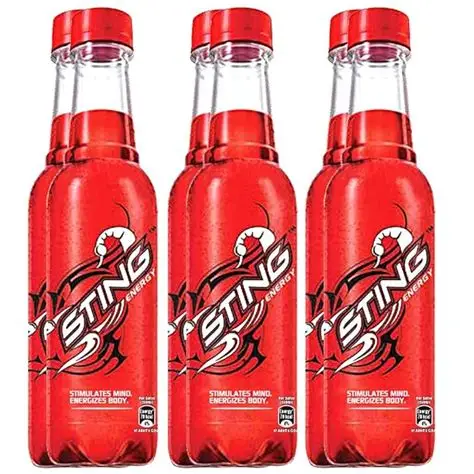
THE High Court has cleared the way for a high-stakes trademark battle over Sting, one of Zimbabwe’s most popular beverages, after dismissing key preliminary objections raised by Varun Beverages (Zimbabwe) and ruling that global drinks giant PepsiCo must be joined to the dispute.
In a detailed judgment, Justice Joseph Chilimbe ruled that African Distillers Limited (Afdis) was entitled to pursue its bid to cancel Varun’s “STING (LABEL)” trademark registration, rejecting arguments that the case was fatally flawed by procedural defects, prescription, or lack of a cause of action.
“No cause or matter shall be defeated by reason of the misjoinder or non-joinder of any party,” the judge said, stressing that Zimbabwean courts are required to resolve disputes on their merits rather than shutting litigants out on technicalities.

Afdis, a major local beverages manufacturer, had approached the Commercial Division of the High Court seeking the deregistration of Varun’s 2018 trademark STING (LABEL), arguing that it infringes on Afdis’ earlier STING trademarks registered in 2003 for alcoholic beverages. Sting has since become a household name in Zimbabwe’s drinks market.
Varun, a bottler linked to Pepsi products, opposed the application and raised four preliminary objections, arguing that Afdis had used the wrong procedure, failed to cite PepsiCo, to whom Varun says it assigned the trademark brought the case too late, and failed to properly plead its cause of action.
The court rejected most of those objections, finding that Afdis was entitled to bring the matter before the Commercial Court and that the use of disputed court forms was “an obvious inadvertence” in the rules rather than a fatal defect.
On the crucial issue of PepsiCo’s involvement, Justice Chilimbe agreed with Varun that the multinational had a direct and substantial interest in the outcome of the case.
“The fact that a person is registered as proprietor of the trade mark shall be prima facie evidence of the validity of the original registration and of all subsequent assignments,” the judge said, citing section 70 of the Trade Marks Act.

He added that Afdis was effectively asking the court to make an order that would “strip PepsiCo of its rights” without giving it a hearing, a position the law does not permit.
However, instead of dismissing the case outright, the court exercised its discretion to keep the dispute alive, ruling that PepsiCo must be formally joined to the proceedings so the matter can be fully and fairly determined.
On Varun’s argument that the case had prescribed after five years, the court held that Afdis’ complaint that the Sting label is likely to “deceive or cause confusion”, falls within statutory exceptions that allow a trademark to be challenged even after the lapse of time.
“The application attacks the validity of the registration itself,” Chilimbe ruled, rejecting the prescription defence.
The judge also dismissed claims that Afdis had pleaded a “confused” or unrecognisable cause of action, finding that the dispute clearly arises from alleged breaches of the Trade Marks Act and should be resolved on the merits.
The ruling sets the stage for a potentially far-reaching legal battle between local and multinational beverage giants over branding rights in Zimbabwe’s lucrative drinks market, where Sting enjoys strong consumer recognition.
The matter will now proceed with PepsiCo joined as a party, with costs reserved for determination at a later stage.
