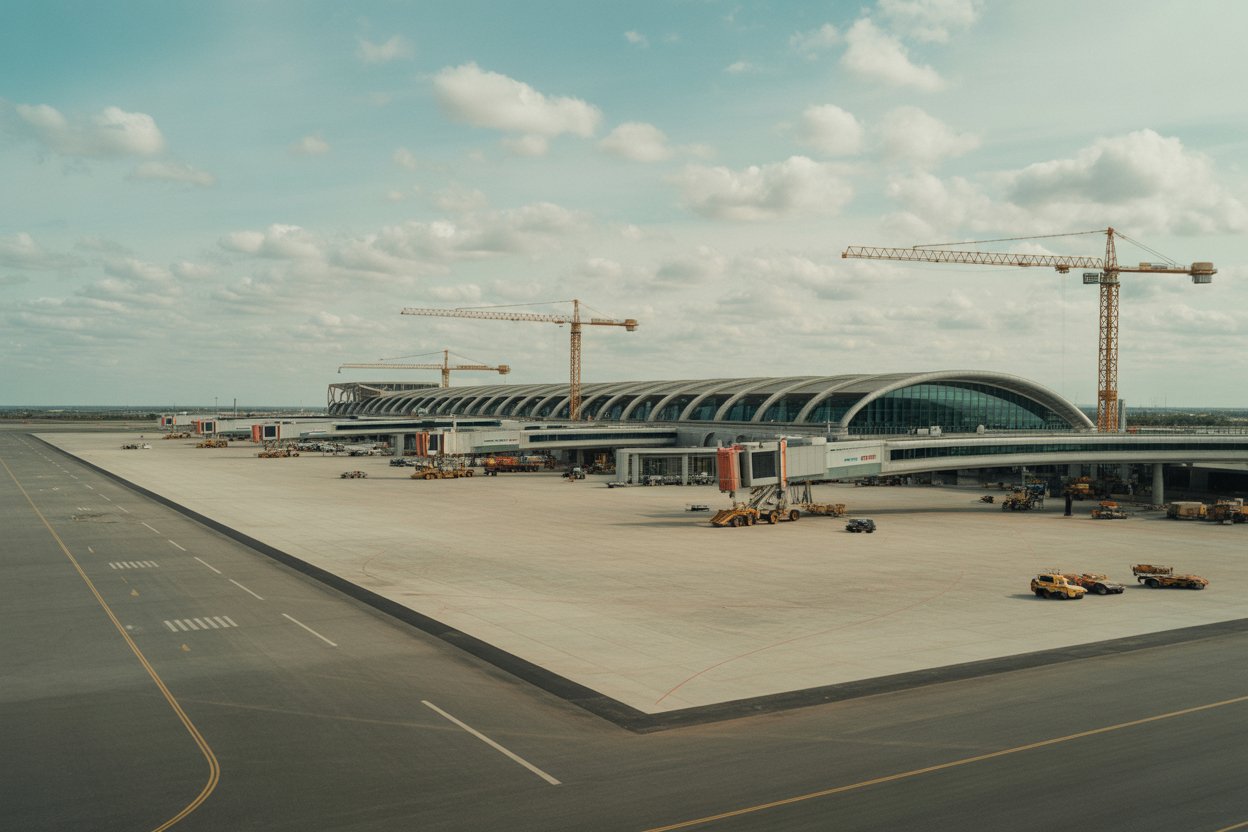
Home » Airlines News of Ethiopia » Ethiopian Airlines Officially Launches Almost Thirteen Billion Dollar Construction Project for Africa’s Largest Airport, Set to Open in Bishoftu, Ethiopia
Published on
January 10, 2026
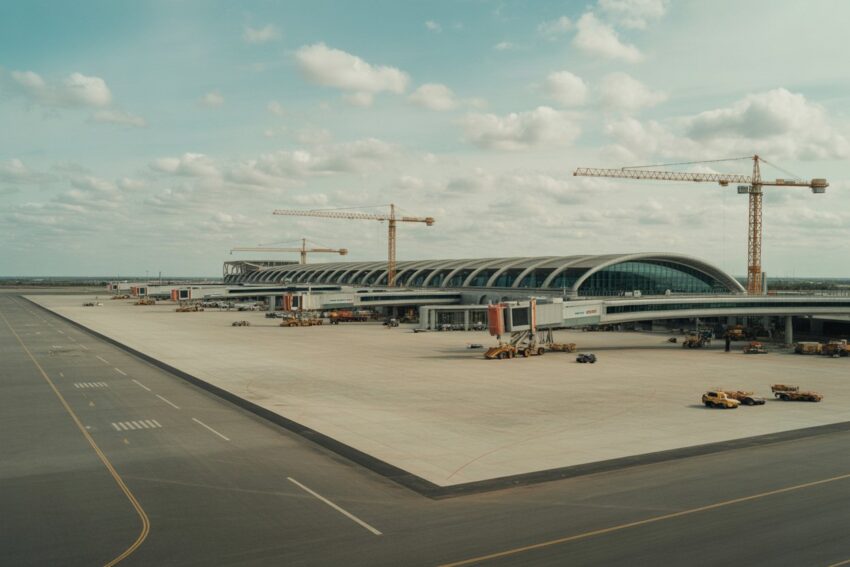
Ethiopian Airlines and the Government of Ethiopia have officially begun construction of a new mega‑airport in Bishoftu, southeast of Addis Ababa, with an estimated investment of $12.5 billion, making it set to become Africa’s biggest airport by 2030. The state‑owned airline secured the design and oversight contract for this four‑runway international airport, which is positioned to transform aviation and travel infrastructure across the continent.
Officials say the project will vastly expand passenger and cargo capacity, elevate Ethiopia’s role as a travel and trade hub, and alleviate congestion at the existing Addis Ababa Bole International Airport.
What the Bishoftu Airport Project IncludesFour runways designed to handle the largest commercial aircraft.Space to park up to 270 aircraft simultaneously.Initial phase aimed to handle up to 60 million passengers per year; full build‑out to support 110 million passengers annually.Cargo facilities, logistics zones, and potential “airport city” with hotels and services.Infrastructure scaled in phases aligned with traffic growth and demand.
This development goes beyond conventional airport construction to include large‑scale economic and logistics planning, positioning Bishoftu as a pivotal node for African and global connectivity.
Why Ethiopia Is Building Africa’s Largest Airport
Ethiopia’s current main airport, Addis Ababa Bole International Airport, is approaching capacity limits due to increased passenger and cargo traffic. The Bishoftu project aims to:
Relieve congestion at Bole Airport.Accommodate rapid air travel growth across Africa.Serve as a major global aviation hub connecting Africa with Europe, Asia, and the Americas.Expand opportunities for tourism, trade, and investment.
Prime Minister Abiy Ahmed described the mega‑airport as the largest aviation infrastructure project in African history, emphasising its strategic role in economic development.
Financing and Timeline
The project’s financing structure includes:
Ethiopian Airlines funding about 30 % of the total cost.Significant pledges and debt commitments from international investors and institutions.The African Development Bank (AfDB) has pledged financing and is leading efforts to raise billions more.Initial earthwork funding of $610 million is already allocated and scheduled to be completed by early 2027.Main construction work is planned to start in August 2026 and completion is expected by 2030.
International interest from lenders in the Middle East, Europe, China, and the United States highlights the global financial backing for this project.
Benefits for Travellers and Tourism
For travellers and the broader tourism sector, the new airport promises:
Greater connectivity – more direct flights to and from Africa.Reduced flight delays and congestion as air traffic is redistributed from Addis Ababa Bole Airport.Enhanced travel experience with modern terminals, amenities, and services tailored to international standards.Boosted tourism as easier access attracts visitors to Ethiopia and wider Africa.New travel corridors connecting Africa to major global cities via hub flights.
This infrastructure will make air travel more efficient and competitive, benefiting holidaymakers, business travellers, and transit passengers alike.
Challenges and Considerations for Travellers
However, the project also brings some considerations:
Extended travel time during construction phases due to infrastructure development near Addis Ababa and Bishoftu.Possible relocation or resettlement impacts for local communities near the airport site, which may affect travel routes and services.Competition among African airports could shift flight patterns and partnerships, affecting fare prices and airline choices.Environmental and logistical challenges during long‑term construction that may influence ground transport connectivity.Financing dependencies on global lenders means macroeconomic conditions could impact the pace of development.
Travel planners should remain aware of evolving schedules and new route announcements as the airport project progresses.
What This Means for African Travel
Once completed, Bishoftu International Airport is expected to:
Redefine Africa’s air transport landscape.Position Ethiopia as the premier aviation hub in Africa.Increase economic growth through tourism and logistics integration.Encourage more international carriers to engage with African markets.
For travellers in Africa and globally, the airport represents an opportunity for improved connectivity, more flight options, and enhanced travel experiences throughout the continent and beyond.
