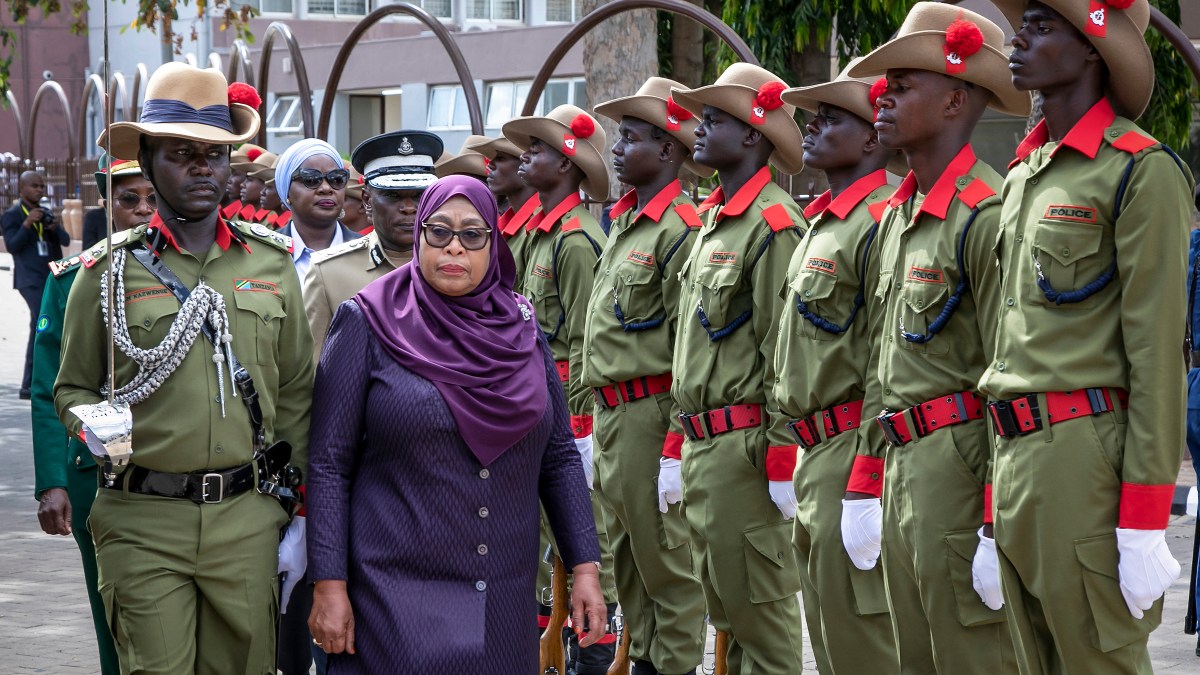
Tanzania’s celebrated safari lodges and beachside villas are filling up for peak season. Off the tourist trail, desperate families are hunting for relatives who have been missing since an election crackdown that has been called a “Tiananmen Square moment” for the usually stable east African state.
Hundreds of young people are reported to have been shot dead by security forces before and after a disputed ballot on October 29 that extended the rule of the president, Samia Suluhu Hassan. According to official results, Hassan won 98 per cent of the vote. Under an internet blackout, killings, abductions and torture were followed by bodies being snatched from streets and mortuaries, erasing evidence of abuse, according to rights groups.
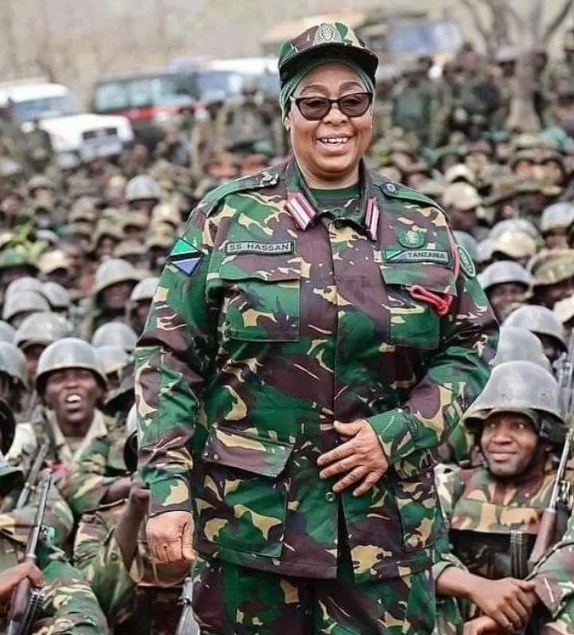
Once celebrated as a reformer, Hassan, a grandmother in her sixties, has acquired the nickname Idi Amin mama, after the late and famously bloodthirsty dictator of neighbouring Uganda.
A hospital worker in the northern safari gateway city of Arusha described a weeks-long stream of wounded and dead, including his own brother, who was shot and then refused medical treatment on orders from above.
“Young men were targeted by the security forces. Hospitals were told to ignore any cases brought in that matched this profile,” he said. His brother, a 25-year-old accountant who had never protested, was walking to a shop weeks before the vote when he was chased and shot at close range by plain-clothes gunmen.
Protest leaders said a campaign of killings and abductions was intended to enforce silence over the jailing, banning and disappearance of opposition figures before the election.
Multiple reports suggest the attacks were aided by foreign mercenaries from neighbouring states, amid a pattern of cross-border arrests and jailings of government critics. Uganda, Tanzania and Kenya — all former British colonies and Commonwealth members — have been accused of co-ordinating the suppression of dissent as their governments confront rising anger among a globally connected Gen Z protest movement.
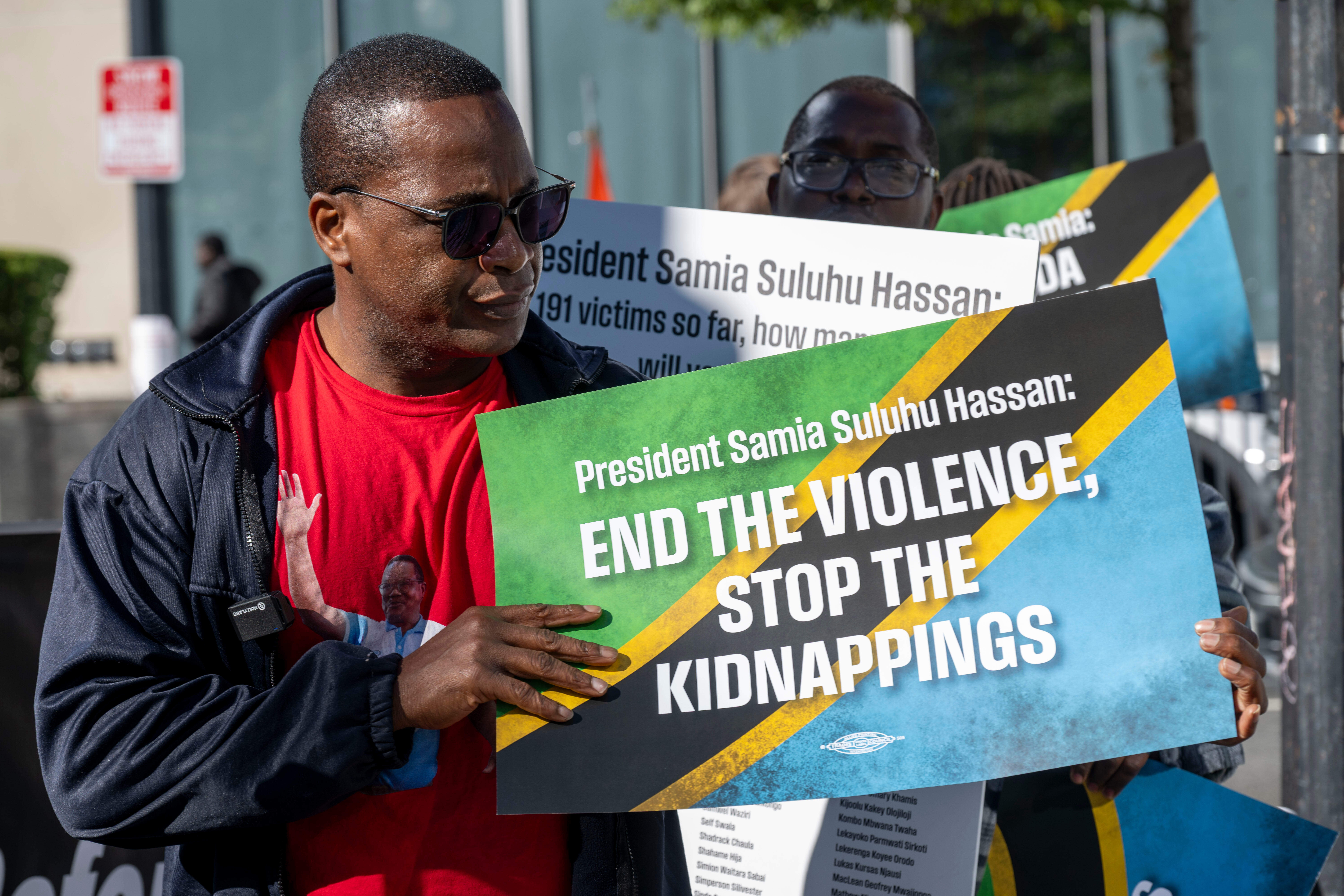
Human rights activists in Washington
KEVIN WOLF/AP
The tactic failed. Youth-led protests spread for days across Tanzania’s big cities despite curfews and a rising death toll. In a rare rebuke, the African Union said the vote was “not conducive to a peaceful outcome”.
In a hurried ceremony at a military parade ground away from the public, Tanzania’s first female president was sworn in for her second term. Her Chama Cha Mapinduzi (CCM) party has dominated the country since it gained independence in 1961.
Washington said it was reconsidering its relationship with the Tanzanian government, while Britain joined 16 other western countries in expressing horror at the evidence of extrajudicial killings and demanding the release of bodies and political prisoners.
In mid-November, Hassan announced a commission of inquiry into the killings of protesters.
Humphrey Polepole, a senior CCM figure turned government critic, has been missing for more than two months since his family found his blood-smeared apartment empty, with its doors broken and the power cut. He had quit as Hassan’s ambassador to Cuba in July, releasing a resignation letter in which he rebuked his party for corrupt and repressive rule.

Humphrey Polepole, left, with his brother, Tino
“We pray that Humphrey is still alive, though we are alarmed by reports of torture, some saying that his toes have been cut off and needs urgent medical attention,” his sister Agnes Lerdorf, a social worker, said. Lerdorf said her brother had tried to reason with the president “as a mother, but she refused”.
His relatives are now being targeted but have no one to defend their rights, Lerdorf said. Their lawyer filed a petition of habeas corpus in her brother’s case which was ignored. The police said they were investigating the break-in at the flat rented by the former diplomat in Dar es Salaam.
Another sister of the former diplomat was abducted by unknown men, beaten and dumped back at home.
“The harassment is relentless. The judiciary is controlled by the government so who will listen?” Lerdorf asked.
Her brother Tino Polepole, who works for Nato in Denmark, said: “Tanzania was a good place, peaceful. I had never thought this was possible.”