Home » AFRICA » China and Africa Reinforce its Mutual Development with this Year’s of People-to-People Exchanges, Boosting Culture ,Cooperation and Tourism Growth
Published on
January 11, 2026
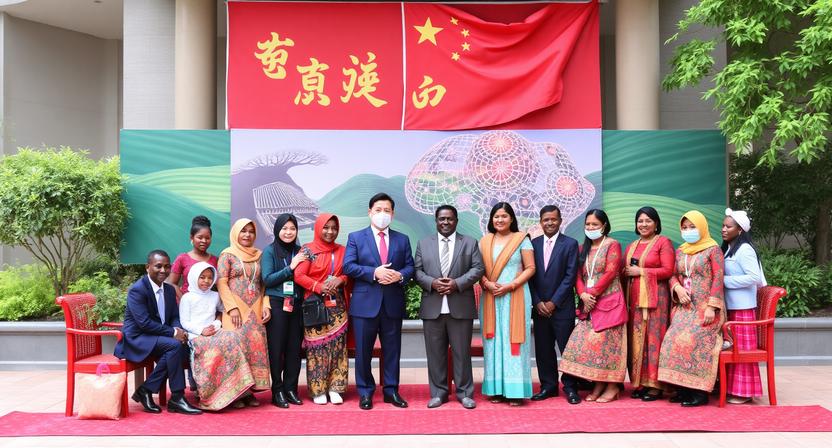
China and Africa have agreed on the importance of people-to-people exchange as a bedrock of their developing relationship by launching a list of 58 major activities for the China-Africa Year of People-to-People Exchanges in the year 2026. These events, which will help increase mutual understanding and solidarity, will boost diplomatic relations but will also open a new passage for the development of tourism in the two continents. This was launched at the opening ceremony at the African Union headquarters in Addis Ababa, Ethiopia.
Foreign Minister Wang Yi stressed the importance of people-to-people exchanges, as it is the most solid foundation for China-Africa friendship. This implies a commitment on the part of China for enhancements in cultural relations between China and Africa, as well as economic opportunities for both sides. In these days when the whole global community is encountering more critical challenges, it is a point worth considering for both China and Africa, where it is a priority for both parties to build stronger solidarity.
Promoting Cultural and Tourism Cooperation: A Path to Sustainable Growth
The China-Africa Year of People-to-People Exchanges is set to provide substantial benefits for both regions, with a particular focus on cultural exchange and tourism development. China’s involvement in establishing initiatives such as Luban Workshops and tourism agreements with over 30 African countries is already yielding positive outcomes. With 34 African destinations now open to Chinese tourist group tours, this initiative aims to increase visitor numbers, create cultural connections, and ultimately drive tourism growth between China and Africa.
This exchange of cultures is not just about tourism numbers but also about creating authentic travel experiences that highlight Africa’s rich heritage and China’s modernization story. By fostering tourism cooperation, both regions are poised to benefit from greater global visibility, attracting more visitors who seek to explore the rich history and diverse cultures of both continents.
Unlocking the Potential of Youth and Women in the Tourism Sector
A key aspect of the China-Africa partnership is the focus on youth empowerment, especially in the context of tourism growth. Africa’s youthful population presents enormous potential for tourism development, and China is keen to support Africa’s youth by expanding education, training, and cultural exchange programs. These initiatives will help cultivate the next generation of tourism professionals, empowering them with the skills necessary to contribute to the tourism industry and local economies.
The campaign will also focus on women’s empowerment, recognizing that gender equality and economic inclusion are vital for creating sustainable growth in tourism and other sectors. By integrating youth and women into tourism initiatives, both regions can unlock new opportunities for inclusive growth and economic development, making the tourism sector a key driver of social and economic transformation.
China-Africa Tourism: A Vision for the Future
Looking ahead, the 2026 Year of People-to-People Exchanges will serve as a catalyst for the future growth of China-Africa tourism. The enhanced tourism cooperation between the two regions is expected to lead to a substantial increase in tourist exchanges, with Africa becoming an increasingly important destination for Chinese tourists. Similarly, Chinese tourists will experience Africa’s natural beauty, cultural landmarks, and vibrant communities, helping to create more robust tourism flows between the continents.
By investing in tourism infrastructure and joint marketing efforts, both China and Africa will be better positioned to tap into the global tourism market, benefiting from growing middle-class populations in both regions. The increased ease of travel, along with a broader array of tourism experiences, will enhance the visitor experience and encourage longer stays, ultimately contributing to the long-term sustainability of the tourism industry in both regions.
Expanding Tourism Beyond Major Destinations
A significant part of the long-term vision for China-Africa tourism involves expanding beyond the traditional tourist hubs. While cities like Cape Town, Cairo, Beijing, and Shanghai remain major destinations, the Year of People-to-People Exchanges encourages travel to lesser-known regions, enabling travelers to explore local communities and experience authentic cultural practices. This approach will help spread the benefits of tourism across both regions, making rural areas and smaller cities attractive to tourists and helping develop local economies.
The increased focus on sustainable tourism will also ensure that both China and Africa preserve their natural landscapes and cultural heritage while promoting economic growth through tourism. Efforts to maintain eco-friendly tourism practices and minimize environmental impact will be central to the ongoing China-Africa tourism partnership, ensuring that future generations can continue to benefit from these exchanges.
Strengthening Diplomatic Ties and the Future of Global Cooperation
The 2026 Year of People-to-People Exchanges reflects China and Africa’s shared commitment to promoting global solidarity and enhancing diplomatic relations. This initiative demonstrates both regions’ commitment to fostering peace, prosperity, and mutual respect on the world stage. As tourism continues to play a central role in global diplomacy, China and Africa are positioning themselves as leaders in international cooperation, helping to shape a more inclusive and interconnected world.
Paving the Way for Long-Term Tourism Growth
The China-Africa Year of People-to-People Exchanges is more than just an annual program; it is a long-term approach to unleashing the potential for growth in the tourist sector and developing the economies of both regions. While the two continents collaborate in their efforts to promote greater cultural interchange, sustainable tourism, and the empowerment of youth and women, they are building a brighter future for themselves. This initiative, which targets growth that benefits the whole continent, is the dawn of a new age in the tourist industry and the China-Africa cooperation.
