Published on
January 11, 2026
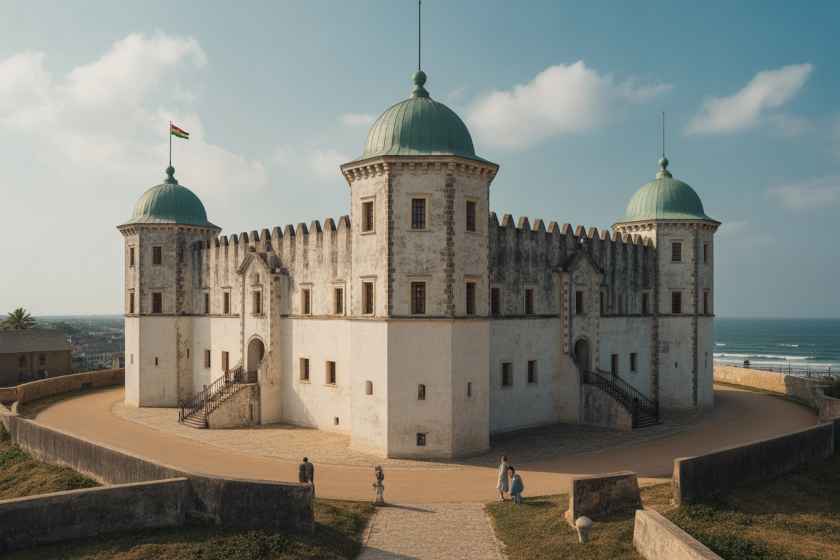
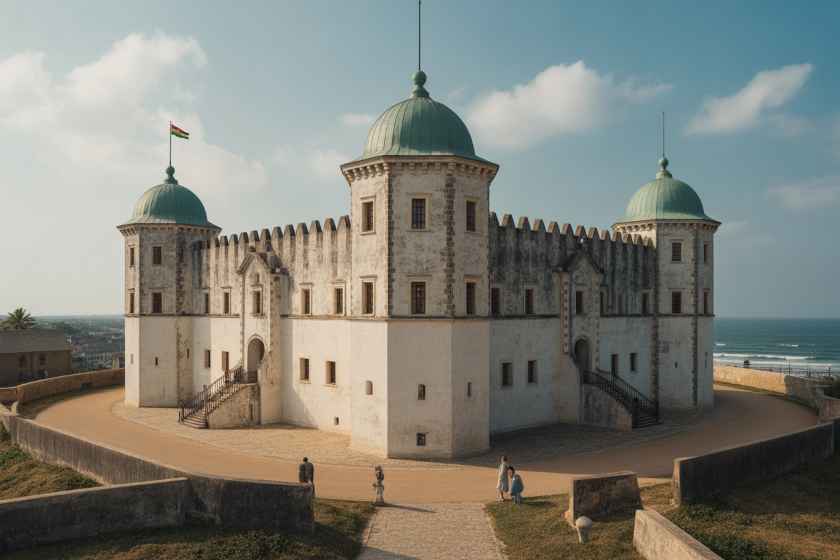
Elmina Castle, one of Ghana’s most iconic heritage sites, is at the center of a growing conversation among local tourists who are calling for renewed engagement with the country’s rich history. As Ghana continues to build its tourism sector, the importance of heritage sites such as Elmina Castle cannot be overstated. Local tourists are urging for more focus on these landmarks, with an emphasis on preserving their cultural significance while making them accessible to the wider public.
Elmina Castle, located on the Atlantic coast in the Central Region of Ghana, is a UNESCO World Heritage Site and one of the oldest European buildings in sub-Saharan Africa. Built in 1482 by the Portuguese, it played a major role in the transatlantic slave trade. Today, it stands as a powerful reminder of the past, drawing thousands of visitors each year. While international tourists are well aware of its significance, local tourists are advocating for greater engagement, education, and development to ensure that Ghana’s heritage is celebrated and preserved for future generations.
The Significance of Elmina Castle and Heritage Sites
Elmina Castle holds a deep historical and cultural significance for Ghana and the broader African diaspora. As a former slave trade post, it represents both the painful history of forced migration and the resilience of the African people. Visitors can explore the castle’s dark dungeons and walk along the walls that once held enslaved Africans before they were shipped across the Atlantic. These sites are not just tourist attractions; they are essential places of learning, reflection, and remembrance.
Beyond Elmina Castle, Ghana is home to several other important heritage sites that reflect the country’s diverse history. These include the Cape Coast Castle, another significant site of the slave trade, and the W.E.B. Du Bois Center in Accra, dedicated to the life of the influential Pan-Africanist. Other landmarks such as the Nzulezo village, built entirely on stilts over Lake Tadane, and the Kakum National Park, with its famous canopy walkway, add to Ghana’s growing appeal as a destination for both cultural and eco-tourism.
Local tourists are calling for better engagement with these heritage sites to ensure that they are not only preserved but also accessible and educational for Ghanaians. Many believe that a stronger local focus on these landmarks would not only enrich the nation’s tourism offerings but also promote a deeper connection to the country’s history.
A Growing Local Tourism Market
While Ghana has long been a popular destination for international tourists, there has been a noticeable shift toward local tourism in recent years. As more Ghanaians take pride in exploring their own country, there is a growing demand for improved infrastructure, visitor services, and educational initiatives at heritage sites.
Local tourists are requesting better facilities, such as more guided tours, interactive exhibitions, and community-led initiatives that allow visitors to engage with the history of the sites more meaningfully. These efforts would help make the sites more accessible to all, from school children to senior citizens, allowing a wider range of people to understand and appreciate their significance.
Furthermore, local tourists are calling for more cultural events and programs that showcase Ghana’s rich heritage. Festivals, exhibitions, and performances that highlight the stories of the people who lived through these historical moments would foster a deeper understanding of the country’s heritage and its role in the global narrative.
Preserving Heritage and Promoting Sustainable Tourism
While tourism is a powerful tool for economic development, local tourists are also advocating for sustainable practices that ensure these heritage sites are preserved for future generations. There is a growing awareness of the need to balance the growth of tourism with conservation efforts. Many tourists and locals alike recognize that heritage sites are fragile and require careful management to protect their cultural and historical value.
Initiatives like the Ghana Heritage Conservation Trust have been working to protect and preserve the country’s historical landmarks, but more efforts are needed to ensure that these sites are maintained while also meeting the demands of a growing tourism industry. This includes addressing issues like overcrowding, environmental degradation, and the potential loss of local culture as commercialization increases.
Sustainable tourism practices can provide economic benefits while maintaining the integrity of the sites. By investing in the local community and empowering local guides and entrepreneurs, tourism can contribute to both the preservation of heritage and the creation of jobs. Ghanaians are urging for more investments in responsible tourism, ensuring that the benefits of tourism are shared equitably among local communities.
Looking to the Future of Ghana’s Tourism Industry
The call for renewed engagement with Elmina Castle and other heritage sites reflects the broader desire for a more inclusive and sustainable tourism model in Ghana. Local tourists are looking to see more investment in the preservation and promotion of the country’s cultural heritage, which has the potential to attract even more international visitors. By focusing on local tourism, Ghana can strengthen its tourism sector while fostering a greater appreciation of its history and culture.
The growing interest in heritage sites also presents an opportunity for cultural exchange, as more local tourists explore the significance of these landmarks and gain a deeper understanding of their country’s history. With continued investment and the development of educational initiatives, Ghana’s heritage sites can become even more powerful tools for learning, reflection, and national pride.
