At least 62 people were killed and 81 injured in 2025 as human–wildlife conflict intensified across Zimbabwe, with livestock losses more than doubling to 801, according to the Zimbabwe Parks and Wildlife Management Authority (ZimParks).
Climate change has been blamed for driving animals and people into increasingly deadly competition for water and grazing land.
ZimParks said reported conflict cases rose 26 percent, from 1,654 in 2024 to 2,090 in 2025, reflecting worsening environmental stress as well as improved reporting by communities. The authority’s response teams attended to more than 99 percent of incidents in both years, while 556 problem animals were neutralised last year as a mitigation measure.

The spike in fatalities marks a sharp increase from 49 deaths in 2024, even as injuries declined from 90 to 81, underscoring the growing severity of encounters. Livestock losses climbed steeply from 362 in 2024 to 801 in 2025, dealing a heavy blow to rural livelihoods already strained by droughts and erratic rainfall.
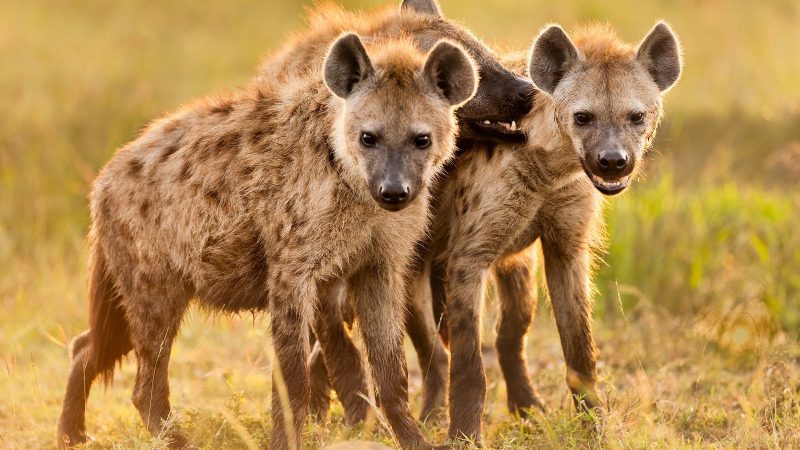
ZimParks identified Kariba, Mbire, Chiredzi, Binga, Hwange, Hurungwe and Nyaminyami as major hotspots, with hyenas, crocodiles and elephants the most frequently reported species. The authority said climate change is altering wildlife movement and behaviour, shrinking natural water sources and grazing areas and forcing animals closer to human settlements.
“Climate change has fundamentally impacted the dynamics of our ecosystems. Our responsibility is to adapt our management approaches while working closely with government agencies, conservation partners and communities to reduce risk and build resilience,” ZimParks Director-General Edson Gandiwa said.
In response, ZimParks said it is scaling up preventive measures, including early warning systems such as geofencing, community conservancies, awareness campaigns and livelihood projects. Communities are also being supported to build predator-proof kraals and bomas, produce chilli bombs for crop protection, and deploy community guardians to alert authorities when animals stray into villages.
The authority said community-based conservation initiatives are beginning to show results by boosting local participation in wildlife monitoring while creating economic value from conservation in high-pressure areas.

Policy reforms are also underway. The Parks and Wildlife Amendment Act No. 4 of 2025 provides for a Human–Wildlife Conflict relief fund, aimed at supporting affected communities, with implementation modalities currently being developed in consultation with stakeholders.
ZimParks said protecting human life and livelihoods remains a priority alongside safeguarding the country’s wildlife heritage, pledging closer cooperation with communities, traditional leaders, local authorities and partners to strengthen conflict mitigation and promote coexistence.
