 Mining CS
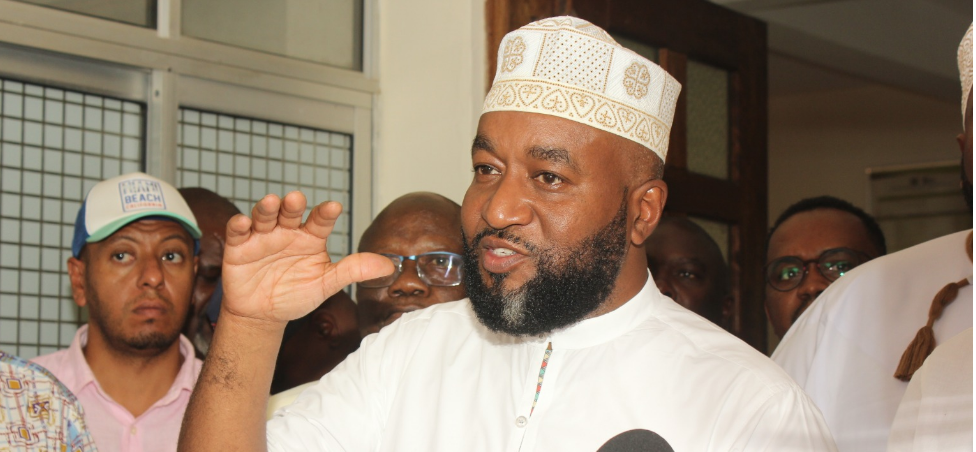
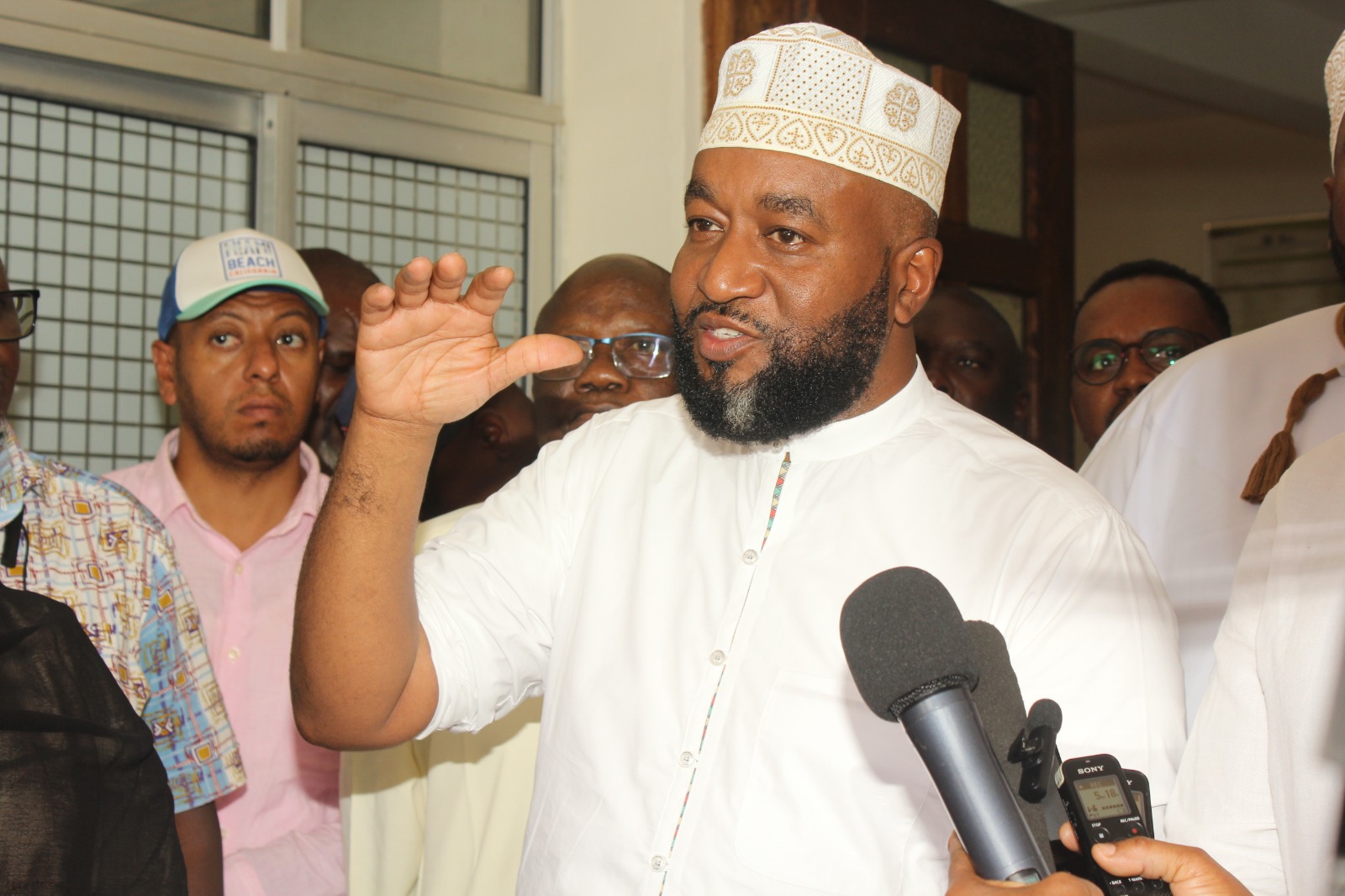
Hassan Joho addresses the media at the Kenya School of Government in Matuga
Sub- County on Friday, January 9, 2026.
A standoff is brewing in Kwale county over the
proposed mining of rare earth minerals at Mrima Hill, with county leaders and
the national government now publicly trading blows over consultation,
transparency and control.
The fault lines were laid bare on Friday, when Kwale Deputy
Governor Chirema Kombo, accompanied by MCAs, dramatically walked out of a
meeting chaired by Mining Cabinet Secretary Hassan Joho at the Kenya School of
Government in Matuga.
Mrima Hill, in Lunga Lunga subcounty, has rare earth minerals
believed to be worth billions of shillings, making it one of the most sensitive
resource projects in the country.
The meeting had initially proceeded without incident.
However, tension escalated when local leaders demanded clarity on
the procedures, transparency and planned activities surrounding the proposed mining.
Kombo accused the Ministry of Mining of sidelining the county
government and pushing decisions without adequate consultation.
“The idea of this meeting was consultation, but unfortunately,
many of these discussions are being conducted by the local administration with
the ministry in the absence of the county government and the communities,” he
said after storming out.
He claimed leaders seeking accountability were being silenced and,
in some cases, threatened, insisting that the county government has a
constitutional duty to protect the interests of its people.
“We are not in a colonial government but a democratic one. If
the views of local leaders are not welcome, then it is better to walk out,”
Kombo said, warning that Kwale would not allow a repeat of past mining
experiences that left communities displaced and impoverished.
Kombo further alleged that vested interests were pushing for forced
exploitation of Mrima Hill, vowing that the county would resist any process
that sidelines residents or violates the rule of law.
Vanga MCA Yusuf Mbwana and Pongwe–Kikoneni MCA Omar Mwaduga
backed the deputy governor’s concerns, accusing the ministry of holding
meetings without the governor, MCAs or area leaders.
“These meetings do not reflect the needs of the community and
when we ask questions, the environment becomes hostile,” Mwaduga said.
Mbwana clarified that leaders were not opposed to mining, but
rather demanded openness and tangible benefits for locals, including value
addition at the source.
“We don’t want our minerals extracted recklessly while our
people continue to suffer,” he said.
Joho, however, dismissed the allegations, insisting that the
ministry is following due process and that no decisions have been made on Mrima
Hill.
“We have not given out Mrima Hill to anyone. In fact, nobody
even knows what minerals are there or their value. People are just
speculating,” he said.
Joho urged leaders to engage constructively rather than politicise
the project, describing Mrima Hill as a national undertaking that, if properly
managed, could benefit thousands and boost the economy.
“Mrima Hill is of national strategic importance, hosting
minerals that are critical for modern infrastructure and energy transition. Our
obligation as the national government is to ensure these resources are
extracted safely, transparently and sustainably for the long-term prosperity of
Kwale and the country as a whole,” he said.
Joho said his assurance to the Kwale leadership is that the
Ministry is committed to transparency and accountability throughout the
project’s development process.
“Mrima Hill will be the first mining project in Kenya to be
subjected to an open and competitive tendering process, setting a new benchmark
for accountability in the sector,” he said.
Mining Principal Secretary Harry Kimtai backed Joho’s position,
announcing plans for structured, separate engagements with county leadership,
the county assembly, MPs and other partners to chart the way forward.
On Saturday, Kwale Governor Fatuma Achani convened a
consultative forum with residents and leaders at Mrima Polytechnic in Lunga
Lunga, assuring locals that no mining would proceed without their consent.
“As your governor, I cannot make any decision regarding mining
on my own without the people deciding,” Achani said, warning against any
parallel meetings held without the involvement of residents.
She said there are currently no active plans to mine Mrima Hills
and that structured consultations involving both levels of government and the
community would guide any future decisions.
Lunga Lunga MP Mangale Chiforomodo called for unity and calm,
urging residents not to allow ethnic divisions to derail efforts to find a
lasting solution.
INSTANT ANALYSIS
The Mrima Hill standoff exposes deeper tensions between national
authority and devolved governance over control of natural resources. While the
national government frames the project as a strategic economic asset requiring
patience and technical assessment, Kwale leaders view the process through the
lens of historical exploitation, exclusion, and community harm.