Home » AFRICA » Elmina Castle Tourism Revival Set to Transform Ghana’s Cultural Travel Scene
Published on
January 11, 2026
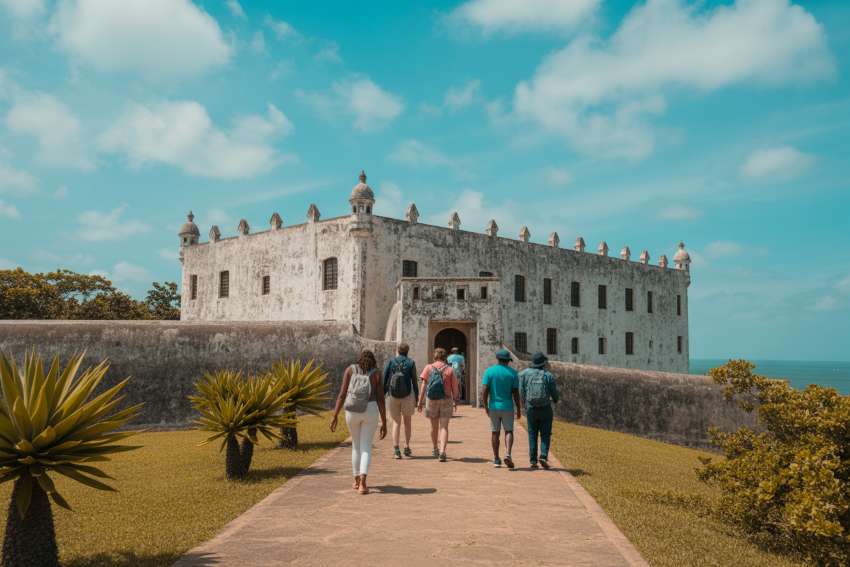
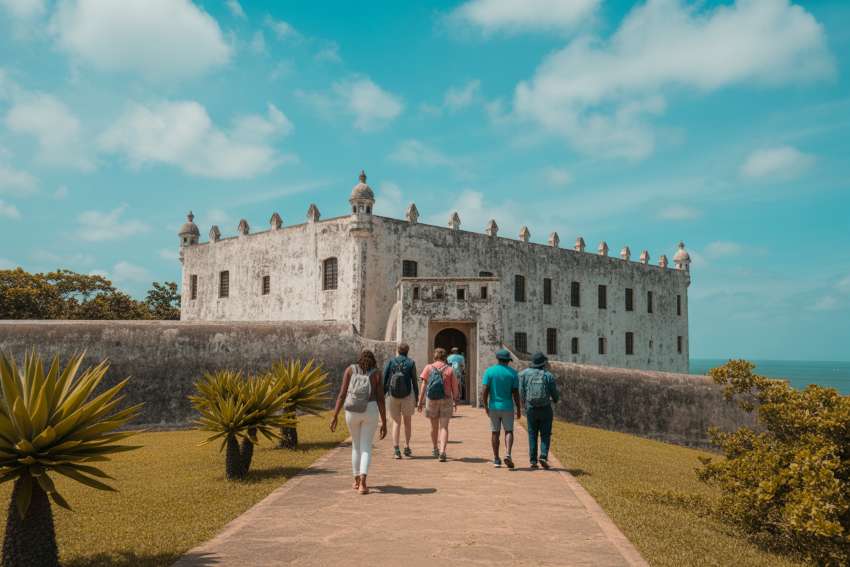
Elmina Castle, a historical landmark in Ghana’s Central Region, has long been a popular destination for international tourists. However, local observers and heritage enthusiasts are increasingly concerned about the under-representation of domestic tourists at this UNESCO World Heritage Site. Despite being a significant symbol of Ghana’s history, particularly its colonial past and central role in the transatlantic slave trade, local interest in Elmina Castle and other heritage sites remains low. As Ghana continues to prioritise economic growth and national identity, a renewed emphasis on attracting local tourists is viewed as critical for cultural preservation and economic development.
The Importance of Elmina Castle in Ghana’s History
Elmina Castle, constructed by the Portuguese in 1482, is one of the oldest European-built structures in sub-Saharan Africa. Over the centuries, it has witnessed the horrors of the transatlantic slave trade, serving as one of the primary departure points for enslaved Africans who were forcibly taken to the Americas. The castle’s history is a painful reminder of the brutality that shaped global history, making it a site of both reflection and remembrance. It was later used by the Dutch and the British before Ghana’s independence in 1957. Today, Elmina Castle stands as a powerful symbol of Ghana’s complex history and plays an integral role in educating both locals and foreigners about the country’s colonial past and the importance of human rights.
Despite its global historical significance, local engagement with Elmina Castle has often been overshadowed by the influx of international tourists, who predominantly make up the majority of visitors. This has raised concerns among heritage experts and tourism authorities, who believe that domestic interest in the site must be fostered if Ghana is to fully embrace its rich cultural heritage.
Addressing the Disparity in Tourism Demographics
Elmina Castle, while a major tourist attraction, has been largely visited by international travellers. Local tourists, particularly those residing in nearby towns, have not been as frequent. This demographic imbalance has led to calls for a concerted effort to attract more Ghanaian visitors to the site. One of the primary reasons behind this disparity is the lack of awareness and engagement with the castle’s historical significance among the local population. Many Ghanaians, particularly the younger generation, are not fully aware of the profound role the castle played in shaping the country’s history and identity.
Experts argue that there is a need for educational programmes and campaigns that target local communities, especially young people, to encourage visits to heritage sites like Elmina Castle. Such initiatives would not only deepen the understanding of Ghana’s past but also foster a sense of pride and ownership of the country’s history. By engaging with the site on a more personal level, locals could gain a better understanding of the struggles that led to Ghana’s independence and the importance of preserving these historical landmarks for future generations.
Cultural Identity and National Pride Through Heritage
As Ghana continues to develop economically and socially, there is an increasing recognition of the role that heritage sites play in fostering national identity and pride. For many locals, heritage tourism can serve as a means of reconnecting with the past and understanding the cultural forces that shaped the present. Elmina Castle, along with other historical sites in the region, represents a tangible link to the past, and engaging with these sites allows Ghanaians to reflect on their history in a more meaningful way.
Incorporating heritage education into school curricula could be an essential step in increasing domestic tourism. By teaching students about the significance of places like Elmina Castle, they can grow up with a deeper appreciation for their country’s cultural landmarks. Additionally, local communities can be encouraged to participate in events, festivals, and guided tours that bring history to life. These activities not only educate but also provide an opportunity for Ghanaians to interact with their heritage in a way that feels personal and meaningful.
Sustainable Tourism and Preservation of Heritage Sites
Alongside the push for increased domestic engagement, there is a growing need to address the challenges that come with tourism, particularly the strain that increased visitor numbers can place on historical sites. Elmina Castle, like many other heritage sites worldwide, faces the ongoing challenge of preserving its physical structure while accommodating large numbers of visitors. The delicate balance between tourism development and conservation is critical, as the castle’s historical integrity must be safeguarded for future generations.
Sustainable tourism practices must be implemented to ensure that Elmina Castle can continue to attract visitors without compromising its cultural and historical value. This includes investing in infrastructure improvements, such as better signage, more visitor facilities, and enhanced safety measures. Additionally, local communities can be involved in tourism management, providing jobs and opportunities for those living near heritage sites while ensuring that the development is sensitive to the needs of the environment and the community.
Leveraging Cultural Festivals for Tourism Growth
One potential avenue for increasing local engagement is through the promotion of cultural events and festivals that celebrate Ghana’s history and heritage. The annual Bakatue Festival, held in Elmina, is one such event that draws attention to the region’s rich cultural traditions. By aligning heritage sites with cultural celebrations, tourism can be integrated into the community’s social fabric, creating a more authentic experience for both locals and visitors.
These festivals not only highlight the cultural significance of the region but also offer an opportunity for tourism businesses to thrive. By promoting local involvement in these events, both as participants and tourists, the community can benefit economically, and heritage sites like Elmina Castle can gain increased visibility and recognition.
Economic Benefits of Domestic Tourism
Domestic tourism, if properly nurtured, has the potential to bring substantial economic benefits to local communities. By encouraging Ghanaians to visit heritage sites, the tourism industry can generate income for local businesses, including hotels, restaurants, and tour operators. Additionally, local guides and artisans can benefit from the increased flow of domestic tourists, leading to job creation and the preservation of cultural practices.
Furthermore, domestic tourism can help reduce the reliance on international visitors, providing a more stable and sustainable revenue stream for the tourism sector. This is especially important in times of global uncertainty, such as during economic downturns or pandemics, when international tourism can fluctuate.
Embracing Ghana’s Heritage for the Future
The future of Ghana’s heritage tourism lies in strengthening ties between locals and their cultural landmarks. Elmina Castle, as a symbol of Ghana’s past, must become a domestic tourism destination, educating and inspiring a new generation of Ghanaians. Elmina Castle has the potential to become a site that not only attracts international visitors but also serves as a source of national pride for Ghanaians by implementing targeted engagement strategies, improving infrastructure, and promoting cultural events. By embracing its heritage, Ghana can boost its tourism industry, create economic opportunities for local communities, and protect historical landmarks for future generations.
