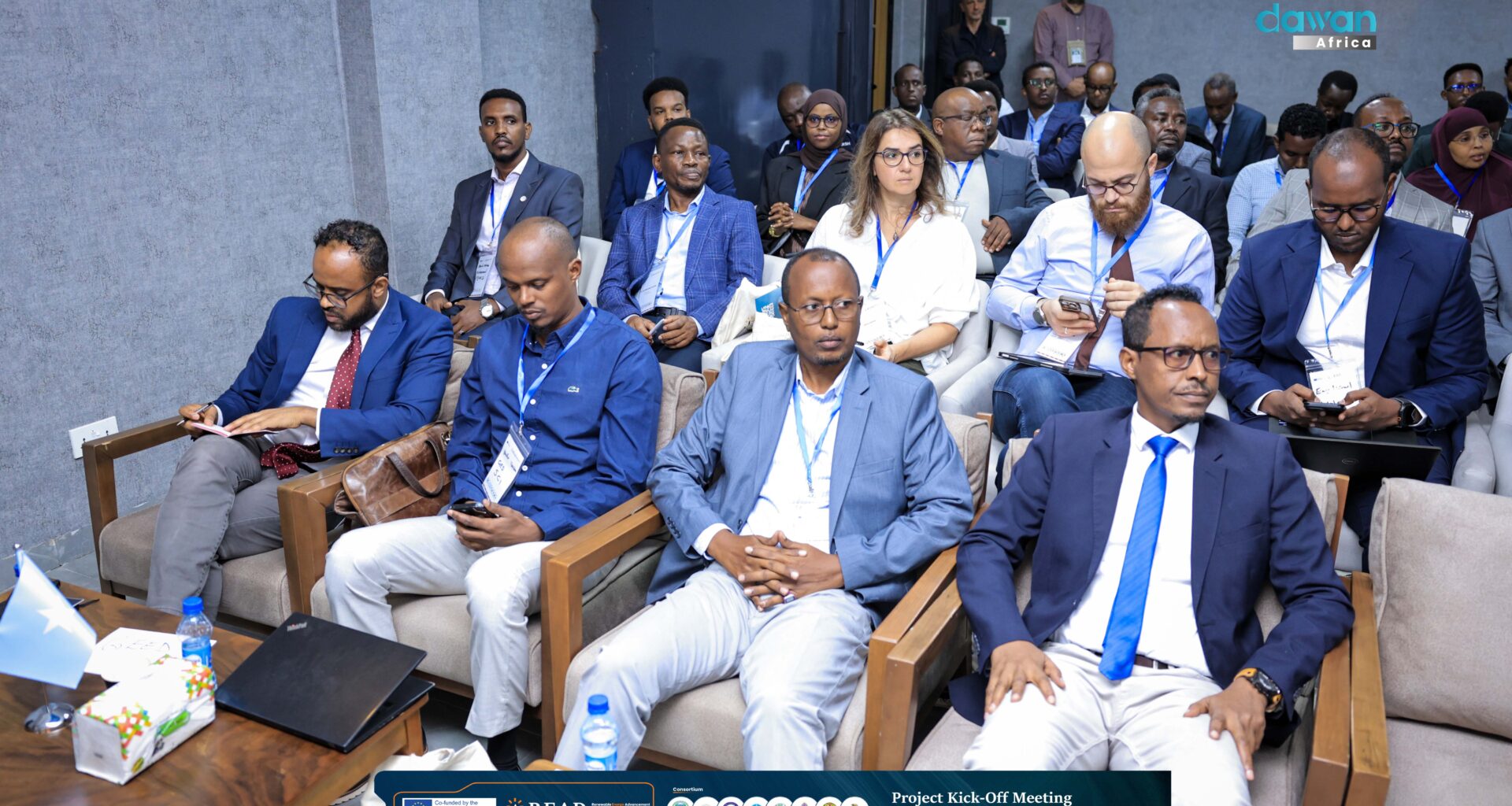
Sub-Saharan Africa faces a paradox: it holds vast renewable-energy potential, yet millions of people remain without reliable electricity, while universities struggle to train the skilled workforce needed for a green transition. The READ Project—short for Renewable Energy Advancement for Inclusive Development in Sub-Saharan Africa—aims to bridge this gap by transforming how renewable energy is taught, researched, and linked to jobs across the region.
What is the READ Project?
READ is a 36-month higher-education capacity-building initiative funded under the Erasmus+ Capacity Building in Higher Education (CBHE) program, running from November 2025 to October 2028. It is coordinated by SIMAD University with a total EU grant of €752,488.20, and brings together universities from Africa, Europe, and Türkiye.
The consortium includes beneficiary institutions in Somalia, Tanzania, and Malawi, alongside European partners—most notably Italy—and an associated partner country, Türkiye, creating a multi-regional platform for academic cooperation.
Why READ Is Needed
Across Sub-Saharan Africa, energy access gaps remain severe, even as demand for clean-energy professionals rises sharply. Universities often lack:
● Updated renewable-energy curricula
● Modern laboratories and teaching tools● Strong links with industry and policymakers
READ responds by aligning education, research, and labor-market needs, ensuring that renewable-energy training leads to real jobs, innovation, and inclusive development—not just academic certificates.
Core Objectives
The project focuses on three interconnected goals:
Strengthening university capacity to deliver inclusive, industry-relevant renewable-energy education and research.Building university–industry collaboration so graduates gain job-ready skills.Supporting green entrepreneurship, enabling students and researchers to launch clean-energy startups.What READ Will Deliver
Over three years, READ will implement reforms and activities across participating institutions, including:
● Modernized renewable-energy curricula and modules
● Training for academic staff (Training of Trainers – ToTs)
● Applied research and policy engagement
● Pilot teaching, internships, and industry placements
● Strengthened quality-assurance systems
● Expanded Africa–EU academic cooperation
How the Project Is Structured
READ is organized into six work packages (WPs):
● WP1: Project management and coordination
● WP2: Curriculum development
● WP3: Capacity building and research
● WP4: Teaching and implementation