 AA(File)
ETHDefenders
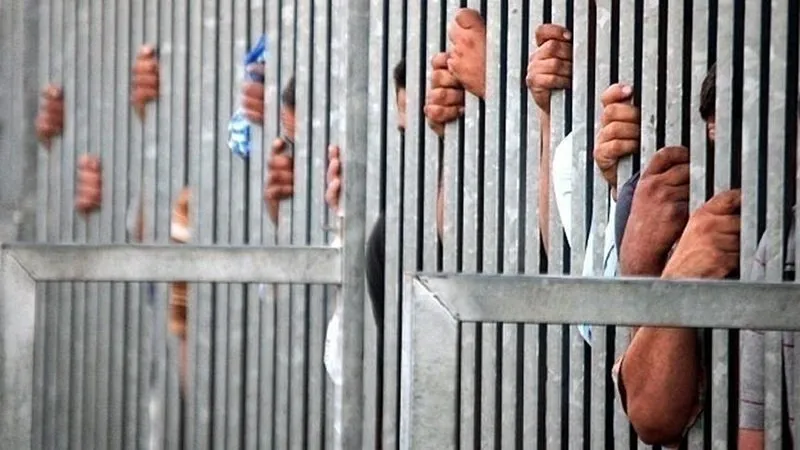
Ethiopian prisons are overflowing with suffering as a result of the mass arrest of Amhara people. Thousands have been taken from their homes, families, and communities—not because they committed crimes, but because of who they are. Cells built to hold a few inmates now confine many, leaving prisoners packed together with no space to breathe, no dignity, and no hope.
The Amhara people of Ethiopia are facing deepening hardship amid widespread arrests, prolonged detentions, and a growing human rights crisis. Across the country, prisons have become dangerously overcrowded following the mass detention of Amhara civilians, activists, journalists, and community leaders. These arrests have raised grave concerns about justice, collective punishment, and the collapse of the rule of law.
Even the regime’s own human rights organization has acknowledged the crisis. “Ethiopian prisons are overcrowded due to the increased number of prisoners,” @EthioHRC stated. Behind this dry admission lies a horrifying reality of human misery.
Reports indicate that many thousands of Amhara individuals have been detained during repeated security operations. Many are held without formal charges, access to legal representation, or timely court appearances. Families are often left in the dark, unaware of the whereabouts or condition of their loved ones, compounding emotional pain and fear.
Inside Ethiopian prisons, suffering is normalized. Torture is not an exception—it is a tool. Prisoners are beaten, abused, and humiliated by the regime. Bodies are broken, minds are scarred, and cries go unheard behind cold prison walls. Medical care is denied, food is insufficient, sanitation is poor, and fear governs every moment of daily life.
The scale of detention has created a nationwide prison crisis. Facilities designed for limited populations are filled far beyond capacity. Overcrowded cells with poor ventilation and inadequate hygiene increase the spread of disease and violate the most basic standards of human dignity.
For the Amhara people, this crisis is not only humanitarian but also political and ethnic in nature. Many believe the arrests disproportionately target Amhara communities, reinforcing deep feelings of marginalization and persecution. The lack of transparency surrounding detentions has further eroded public trust in state institutions.
Families suffer deeply. Children grow up without parents. Women, the elderly, and entire communities bear the economic and psychological burden as breadwinners disappear into detention. Fear, trauma, and uncertainty have become part of everyday life for countless Amhara households.
International human rights standards require arrests to be lawful, proportionate, and non-discriminatory, and mandate humane treatment of detainees. The conditions in Ethiopian prisons today represent a serious departure from these principles.
Addressing the suffering of the Amhara people requires more than acknowledging overcrowded prisons. It demands an immediate end to mass arrests, the release or fair trial of detainees, independent investigations into abuses, and genuine accountability. Without these actions, the cycle of repression, suffering, and instability will continue.
The plight of the Amhara people—and the overcrowded prisons that confine them—stands as a stark reminder that lasting peace and unity in Ethiopia cannot be achieved without justice, equality, and respect for human rights.
Editor’s Note : Views in the article do not necessarily reflect the views of borkena.com
__
Support Borkena : https://borkena.com/subscribe-borkena/
Join our Telegram Channel : t.me/borkena
Like borkena on Facebook
Borkena Ethiopian News Youtube Channel
To submit Press Release, send submission to info@borkena.com
Add your business to Ethiopian Business Listing / Ethiopian Business Directory
Join the conversation. Follow us on X (Formerly Twitter) @zborkena to get the latest Ethiopian News updates regularly.