Ugandans head to the polls on Thursday in a presidential election that is expected to extend President Yoweri Museveni’s nearly four-decade grip on power, but which has reopened debate about succession and the country’s long-term political direction. Museveni, now 81, has ruled since 1986 and is seeking a seventh term, making him one of Africa’s longest-serving leaders.
While analysts widely view a Museveni victory as almost certain, given his firm control over state institutions and the ruling National Resistance Movement, the conduct of the vote and its aftermath could shape Uganda’s political climate, domestic stability and foreign relations in the years ahead.
The Main Candidates
Museveni dominates the field as the incumbent and leader of the NRM, campaigning on continuity and stability. His most prominent challenger is pop star-turned-politician Bobi Wine, 43, who emerged as a major opposition figure in 2021 when he won 35% of the vote and galvanised young and urban voters.
Other candidates include Mugisha Muntu, a former military chief positioning himself as an anti-corruption reformer, and Nandala Mafabi, a veteran lawmaker and former opposition leader in parliament. Despite their profiles, none is seen as capable of overcoming Museveni’s entrenched political machinery.
Key Campaign Issues
Museveni has centred his campaign on what he calls “protecting the gains” of his long rule, highlighting relative peace, security and economic stability. He has promised to push Uganda toward middle-income status by expanding manufacturing, adding value to agricultural exports such as coffee and cotton, and capitalising on the start of commercial oil production expected later this year.
Bobi Wine has framed the election as a struggle to restore political freedoms, accusing Museveni of presiding over four decades of authoritarian rule. He has pledged to fight corruption, create jobs for Uganda’s youthful population and revisit oil contracts with foreign firms to ensure they better serve national interests. The government rejects allegations of systemic human rights abuses and authoritarianism.
Risk of Violence and Unrest
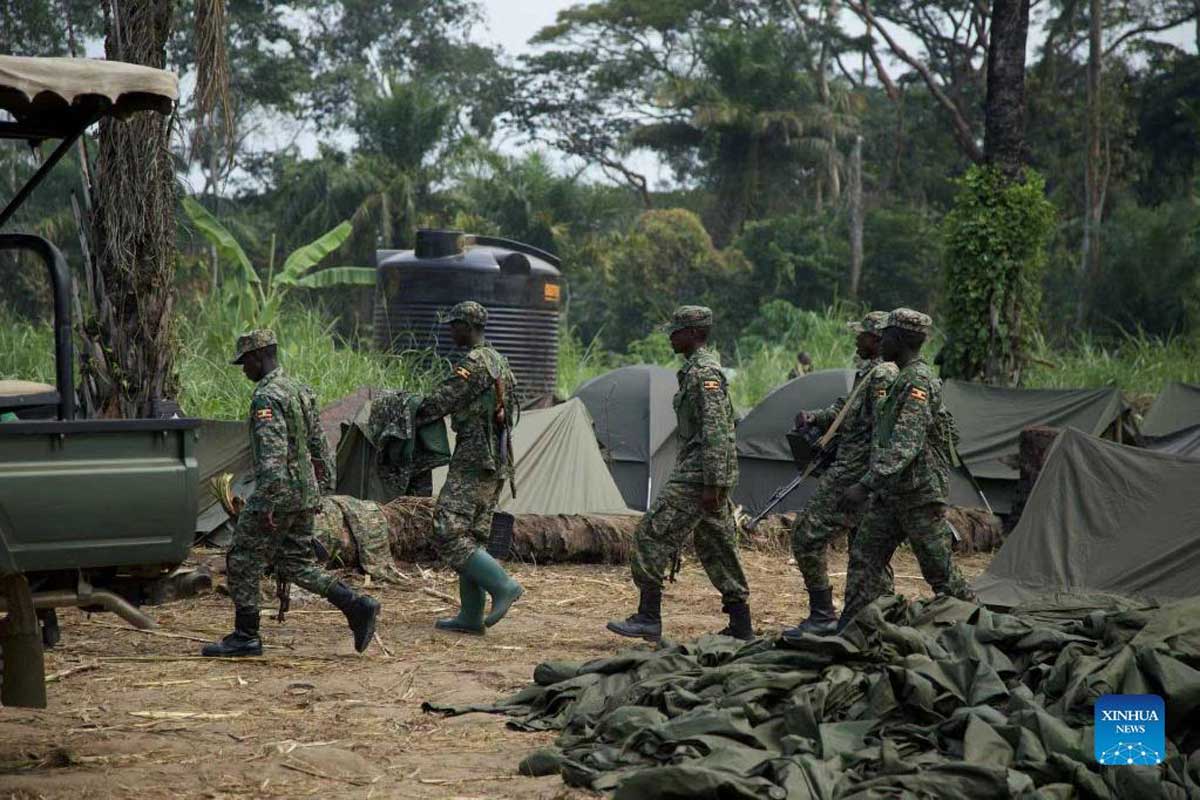
Uganda’s elections have a history of violence, and this vote is unfolding amid heightened security concerns. Ahead of the 2021 election, more than 50 people were killed by security forces during protests following Wine’s arrest. In the run-up to this year’s poll, hundreds of opposition supporters have been detained and at least one person has been killed at a campaign event.
Authorities have moved to restrict information flows, announcing a ban on live broadcasts of riots and unlawful processions. Regional trends have added to government anxiety, with youth-led protests in neighbouring Kenya and Tanzania highlighting the potential for unrest driven by frustration over unemployment, corruption and political exclusion.
International Stakes
Museveni has long been a key Western ally in East Africa, contributing troops to fight militant groups such as al Shabaab in Somalia and hosting the largest refugee population on the continent. However, Uganda’s democratic record has strained relations with some partners. The United States criticised the 2021 election as neither free nor fair and imposed visa restrictions on Ugandan officials, though Washington is unlikely to comment this time after instructing diplomats not to assess foreign elections publicly.
At the same time, Kampala has cultivated ties with non-Western partners. Uganda has deepened economic and political links with China, Russia and the United Arab Emirates, and Chinese firms are central players in the Lake Albert oil project. Museveni’s recent agreement to accept deportees from the United States has also helped shore up relations with Washington.
Succession and the Bigger Picture
Beyond the immediate outcome, observers are closely watching what the election reveals about Museveni’s eventual succession. His son, Muhoozi Kainerugaba, the current military chief, is widely viewed as a potential heir and has openly discussed his presidential ambitions, despite Museveni denying plans to groom him as successor.
Succession remains a sensitive and divisive issue within the ruling party, with other powerful figures also manoeuvring for position. Analysts say Museveni’s margin of victory will be an important signal. In 2021, he won with 58%, his lowest-ever share. Any further erosion could weaken his authority and intensify internal competition ahead of a post-Museveni era.
Personal Analysis
This election is less about who will win and more about how Uganda manages political continuity in the shadow of an aging ruler. Museveni’s dominance provides short-term stability, but it also postpones difficult questions about leadership transition in a country with a young, restless population and limited political space.
If the vote is marked by violence or heavy-handed repression, it could deepen generational resentment and undermine the legitimacy Museveni relies on to manage succession. Conversely, even a controlled election with a reduced margin could embolden rival factions within the ruling elite. Uganda’s real test, therefore, lies not in Thursday’s result, but in whether its political system can adapt peacefully to the inevitable end of Museveni’s long rule.
With information from Reuters.