Published on
January 12, 2026
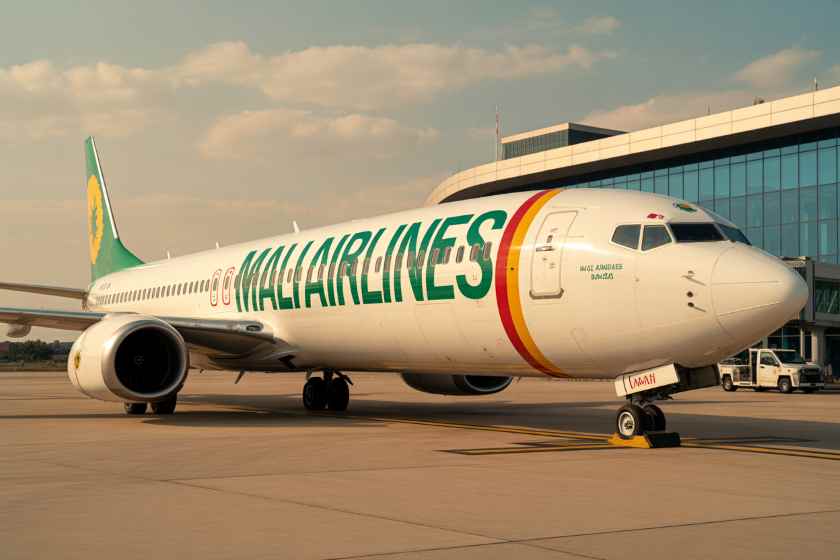
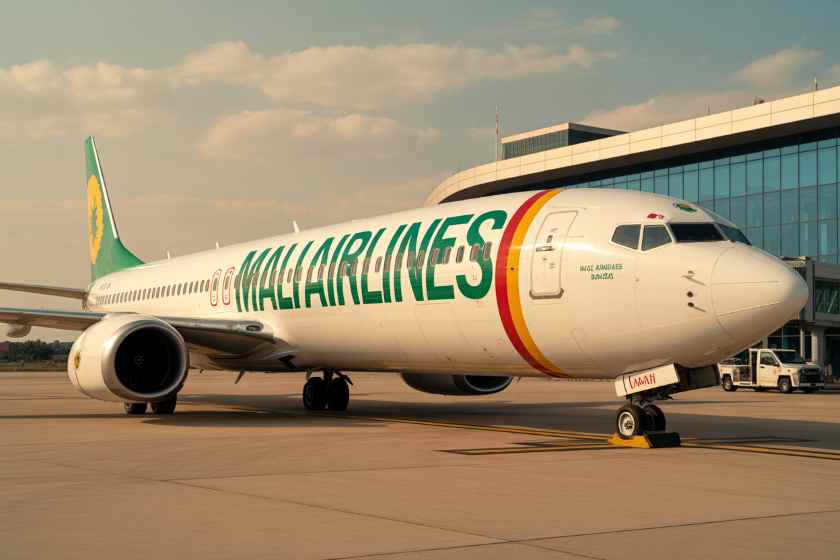
Mali is set to redefine its role in West African aviation with the highly anticipated return of its national carrier, Mali Airlines SA. After more than a decade without a flag carrier, the country is making a strategic leap toward re-establishing its presence in the skies, with a planned launch in 2026. This revival is not only a milestone for Mali but also for the wider Sahel region, promising to enhance air connectivity, stimulate economic growth, and create new opportunities for tourism and trade within Mali and across West Africa.
The move comes as part of a broader continental push, with several African countries reinvigorating their national airlines to foster regional integration, economic collaboration, and tourism growth. Mali’s efforts to rebuild its national airline will significantly contribute to these goals, positioning the country as an important hub for travel and commerce in the region.
A Strategic Revival: The Journey to Mali Airlines SA
The journey toward the re-establishment of Mali Airlines SA has been carefully planned, with critical milestones already in place. In a pivotal step, the airline’s inaugural board meeting laid the foundation for its governance and operational structure, ensuring that the airline will have the right framework to succeed in today’s competitive aviation industry. This development comes in tandem with the airline’s plans to acquire aircraft and expand its route network.
The leadership behind Mali Airlines SA has been handpicked for its experience in aviation and its ability to navigate the complexities of the industry. With a focus on operational efficiency, safety, and customer service, the airline’s leadership is setting the stage for its successful rollout in 2026.
For Mali, a landlocked country in West Africa, the re-launch of a national airline is seen as a crucial step toward improving connectivity, facilitating easier movement of goods, and opening up new travel corridors for tourists and business people alike. The introduction of regular flights will also serve as a gateway to the country’s diverse attractions, from its vibrant cities to its rich cultural heritage and historical landmarks.
Tourism Growth in Mali and the Sahel Region
One of the key benefits of the re-establishment of Mali Airlines SA will be its impact on tourism, which has long been underdeveloped in Mali due to limited air connectivity. The airline’s return will make it easier for tourists to visit the country, boosting the tourism sector and providing a much-needed boost to local businesses in the hospitality, transportation, and retail industries.
Mali is home to numerous cultural and historical landmarks, including the famous Timbuktu and the Great Mosque of Djenné, both UNESCO World Heritage sites. These sites, along with the country’s vibrant traditions, music, and art, provide a wealth of opportunities for tourists seeking cultural immersion. With more accessible air travel, Mali will likely see an increase in visitors exploring these rich cultural treasures.
Moreover, the tourism growth can enhance Mali’s regional and international tourism profile. Improved connectivity with key markets such as Europe, North Africa, and the Middle East will open the doors for greater cultural exchange and tourism development in the country.
Regional Integration and Economic Benefits
The resumption of Mali Airlines SA’s operations will also promote regional integration, connecting the country more directly with its neighbors in West Africa and the Sahel region. With improved air links, business and economic activity will grow, enabling greater collaboration and trade across borders.
Air connectivity is essential for economic development, particularly in landlocked countries like Mali. By fostering easier and faster access to major markets, Mali Airlines SA will help unlock the country’s economic potential, attracting investment and supporting local industries. The presence of a national carrier will also enhance Mali’s position in regional trade and transport networks, making it a more attractive destination for investors and international businesses.
Strengthening Africa’s Aviation Landscape
The revival of Mali Airlines SA is part of a larger trend across the African continent, where countries are recognizing the importance of national carriers in fostering connectivity and economic growth. As more African nations reinvest in their air transport sectors, Mali’s re-established airline will serve as an example of how national carriers can contribute to long-term economic development.
In addition, the success of Mali Airlines SA could inspire other countries in the Sahel region and beyond to explore opportunities for developing or reviving their own national airlines. By doing so, they can ensure improved access for travelers, support economic growth, and enhance regional tourism, contributing to Africa’s broader goal of economic integration and development.
What to Expect in 2026: The Future of Mali Airlines SA
As Mali Airlines SA prepares to launch its operations in 2026, the airline’s future looks promising. The airline plans to operate both domestic and international routes, focusing initially on regional connections within West Africa, before expanding further into other parts of Africa and the Middle East. By offering competitive pricing, modern amenities, and reliable services, Mali Airlines SA will be an attractive option for travelers.
The airline’s fleet will feature state-of-the-art aircraft designed for both comfort and efficiency, ensuring that passengers can travel with ease between Mali’s urban centers and the broader region. The airline is also expected to offer services for both business and leisure travelers, catering to the growing demand for regional travel while boosting tourism and trade.
Conclusion: Mali’s Rebirth in Aviation and Tourism
The return of Mali Airlines SA is a defining moment for the country’s aviation sector, positioning it as a key player in both regional and international travel. With its focus on connectivity, tourism, and economic development, the airline is set to transform the landscape of air travel in West Africa. For Mali, this marks the beginning of a new chapter, one that promises to connect the country with the rest of Africa and the world, while enhancing its role as a destination for tourists and business travellers alike.
