Home » Ethiopia News » Ethiopia’s New Twelve Billion Airport to Transform Tourism and Aviation in Africa
Published on
January 12, 2026
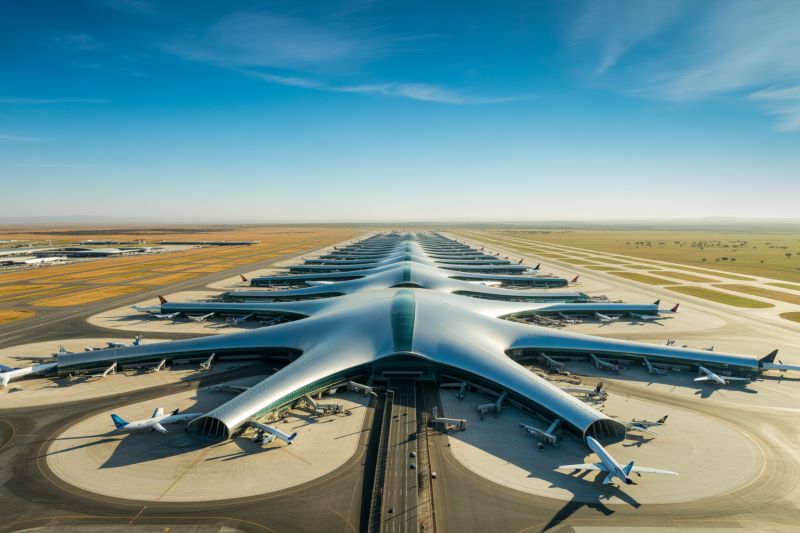
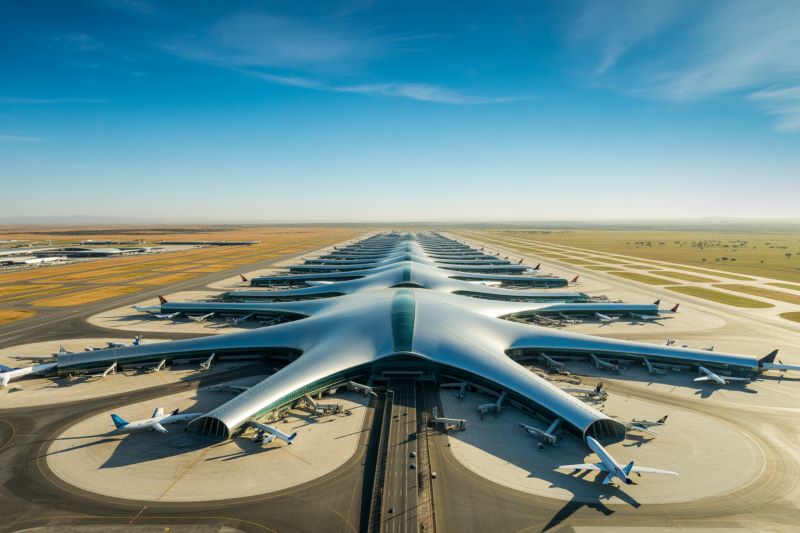
Ethiopia is about to embark on a groundbreaking aviation journey with the construction of the largest and most expensive airport in Africa’s history. Ethiopian Airlines, in partnership with the African Development Bank and other global entities, has announced the commencement of this monumental project. The new airport, located in Bishoftu, just 40 miles from Addis Ababa, is set to revolutionize not only air travel but also tourism in the country and across the continent.
A Game-Changer for African Aviation and Tourism
The new airport will handle over 100 million passengers annually, making it the largest airport in Africa. For comparison, London’s Heathrow Airport, after its expansion, is expected to manage 140 million passengers. Ethiopia’s new hub will surpass the current capacity of Addis Ababa Bole International Airport, which can only accommodate 25 million passengers each year. With four new runways, two passenger terminals, and ample parking facilities for 270 aircraft, this project is set to redefine air connectivity for the region.
Ethiopian Prime Minister Abiy Ahmed highlighted the significance of the airport, describing it as the largest aviation infrastructure project in Africa’s history. He emphasized that the project would not only transform Ethiopia’s aviation landscape but also establish the country as a prominent global air transport hub.
Massive Infrastructure Development
The first phase of this ambitious project will see the development of two passenger terminals, a cargo terminal, and two parallel runways. High-speed rail links will connect the airport to Addis Ababa, alongside modern highways, enhancing access to the hub. This infrastructure development promises to make travel to Ethiopia seamless, offering tourists and business travelers an easy and efficient journey from the airport to the city.
A Vital Investment in Tourism
Tourism in Ethiopia is set to receive a significant boost with the arrival of the new airport. The country’s rich cultural heritage, stunning natural beauty, and historical significance make it a prime destination for tourists. From the ancient rock-hewn churches of Lalibela to the breathtaking landscapes of the Simien Mountains and Danakil Depression, Ethiopia offers a unique travel experience. The new airport will provide better access for international travelers, making it easier for them to explore these wonders.
Currently, Ethiopia’s tourism sector benefits from Ethiopian Airlines’ extensive network, with flights to over 160 domestic and international destinations. The new airport will further enhance the airline’s ability to expand its reach, driving more visitors to the country’s key attractions. The Ethiopian government and tourism authorities anticipate that the improved infrastructure will lead to a significant rise in tourist arrivals, which will be a key contributor to the country’s economy.
Building Stronger Global Connections
This new hub will serve as an important link between Africa and the rest of the world. It will also facilitate smoother travel for business professionals and leisure tourists alike, reinforcing Ethiopia’s position on the global travel map. The project will also attract international airlines, further enhancing Ethiopia’s reputation as a vital air travel hub.
Moreover, with over 270 aircraft parking spaces, the new airport will be able to accommodate the growing demand for international flights. This will directly benefit the tourism sector by bringing in more flights from key markets and encouraging global travelers to visit Ethiopia.
International Investment and Collaborative Efforts
The $12.5 billion project will be funded by Ethiopian Airlines, which will contribute 30% of the total cost. The remaining funds will be provided by a consortium of international partners, including the African Development Bank, and stakeholders from the Middle East, Europe, China, and the United States. This collaborative effort signifies the global importance of the project and the commitment of international investors to Ethiopia’s growth and development.
Future Prospects for Ethiopia’s Tourism and Economy
Ethiopia has always been a country rich in culture and history. The addition of a world-class airport is expected to increase the flow of tourists, boost the hospitality industry, and generate substantial revenue for the economy. The enhanced transport infrastructure will also encourage more foreign direct investment, particularly in tourism, creating jobs and expanding the overall economy.
Local communities around the airport will benefit from new job opportunities, with plans to develop hotels, restaurants, and entertainment centers near the site. This will further enhance the country’s attractiveness as a tourist destination.
As Ethiopia prepares for the grand opening of this monumental project in 2030, the country’s tourism sector is poised to experience a significant surge. The combination of an efficient transportation system, cultural attractions, and natural beauty will make Ethiopia a top destination for travelers worldwide.
Ethiopia’s new $12.5 billion airport marks the beginning of a new era in African tourism and aviation. The project will not only make travel more accessible but will also create a stronger connection between Ethiopia and the rest of the world. With this airport, the nation is setting the stage for an unprecedented tourism boom, one that will unlock the country’s full potential as a global travel hub.
As more tourists flock to Ethiopia to explore its rich history, diverse landscapes, and warm culture, the new airport will be at the heart of it all, offering a seamless and modern travel experience. This project represents a transformative moment for Ethiopia, its people, and its tourism industry, signaling a bright future ahead.
