APA News
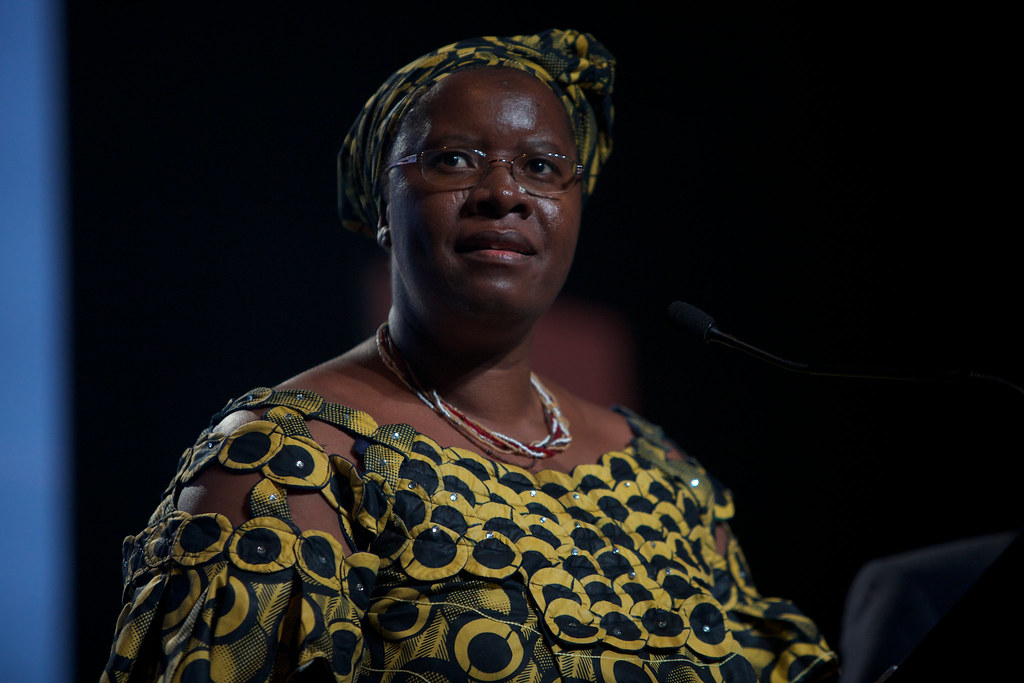
United Nations Assistant Secretary General Nyaradzayi Gumbonzvanda is visiting Zimbabwe from 12-16 January in a mission aimed at strengthening national efforts to advance gender equality.
She will be accompanied by Adama Moussa, UN Women’s Deputy Regional Director for East and Southern Africa.

UN Women says the mission is intended to reaffirm its commitment to Zimbabwe, deepen partnerships with government and civil society, and mobilise support to sustain progress on women’s rights.
“This strategic engagement aims to reaffirm UN Women’s commitment to Zimbabwe, strengthen partnerships and mobilise collective action to safeguard and advance progress on gender equality and women’s empowerment,” the UN agency said on Monday.
During the five‑day engagement, Gumbonzvanda will push for stronger integration of global gender frameworks — including CEDAW, the Beijing Platform for Action and Sustainable Development Goal 5 — into national policy.
The mission will also focus on improving coordination across UN agencies, aligning UN Women’s programming with Zimbabwe’s priorities, and identifying opportunities for joint initiatives.
UN Women expects the visit to help secure renewed government commitments, sharpen priorities for scaling interventions, and strengthen donor engagement.

A joint press briefing with the UN Resident Coordinator is scheduled for Friday to outline key outcomes.
Zimbabwe has made notable policy advances in recent years, including the National Gender Policy (2025), the GBV Strategy (2023–2030) and the Marriages Act (2022).
However, gaps remain in women’s political participation, economic empowerment and the national response to gender‑based violence.
UN Women’s country programme – operating with a projected US$2.8 million budget for 2026 – focuses on ending violence against women, expanding women’s leadership, boosting economic opportunities and supporting peace and security initiatives.
The mission underscores the UN’s support for Zimbabwe’s Vision 2030 and its broader push to accelerate progress toward the Sustainable Development Goals through gender‑transformative policies and programming.
