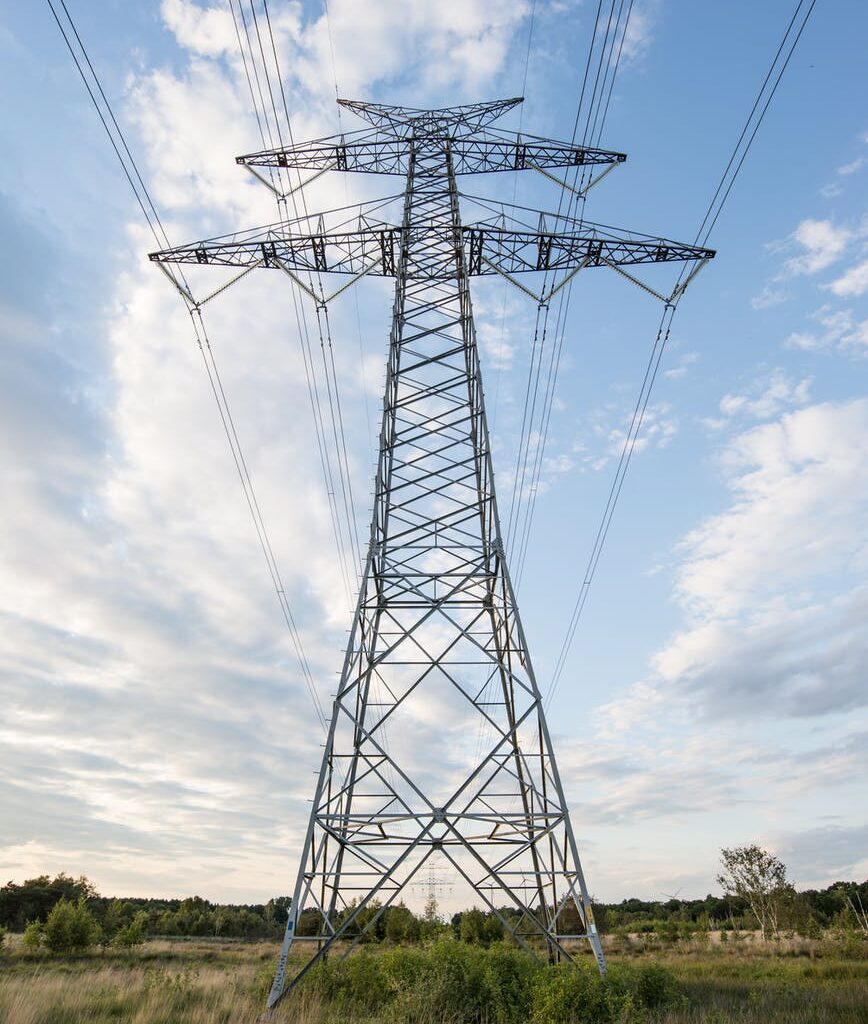
 Representational image. Credit: Canva
Africa is witnessing a major shift in its energy sector as the focus turns toward expanding transmission infrastructure, which experts say is key to transforming the continent’s energy landscape. For years, most international investment went into power generation, but the lack of strong grid networks often left new energy projects underutilized or stranded. Now, with new financial models and regulatory frameworks emerging, regional power markets are beginning to unlock their potential.
Across East, West, and Southern Africa, energy specialists emphasize that a sophisticated transmission grid is essential for the renewable energy transition. High-voltage lines are needed to connect remote wind and solar farms to urban industrial hubs, while interconnected grids allow countries to trade electricity. This not only makes large-scale projects more financially viable but also helps balance supply and demand across borders.
Independent Transmission Projects (ITPs) are becoming increasingly common, marking a departure from the traditional model where state utilities managed transmission. Kenya and South Africa are leading this change through public-private partnerships. Kenya recently finalized a landmark deal with Africa50 and Powergrid to use private capital for national grid expansion, while South Africa has launched procurement programs to attract private investors, aiming to ease long-standing grid bottlenecks that have contributed to power shortages.
Regional cooperation is also advancing through power pools, though some administrative challenges remain. The Eastern Africa Power Pool and West African trading initiatives are moving closer to operational reality, promoting competition and allowing electricity to flow from surplus to deficit regions. In Southern Africa, interconnection projects like the Zambia-Tanzania-Kenya link and the Angola-Namibia link show a growing commitment to cross-border stability. These initiatives are supported by institutions including the European Investment Bank and the U.S. Development Finance Corporation, which provide concessional loans and guarantees to reduce investment risks.
Success, however, depends on more than infrastructure. Utility-level planning, improved regulatory transparency, and consistent financial support are critical to ensure that investment continues. Technical progress, such as the Julius Nyerere hydropower plant in Tanzania, adds capacity, but the real challenge is efficiently delivering electricity where it is needed most.
The modernization of Africa’s transmission networks is more than a technical exercise; it is an economic strategy. Better grids can lower energy costs, improve reliability, and stimulate industrial growth, ultimately benefiting millions of people. As these new investment approaches take hold, Africa is moving toward a more integrated and dynamic energy future, where electricity trade, cross-border collaboration, and private sector participation could drive the continent’s economic and social development in unprecedented ways.
This transformation marks a critical step in ensuring that renewable energy projects do not remain isolated but contribute fully to economic growth and improved living standards across Africa.
Like this:
Like Loading…
Related
Discover more from SolarQuarter
Subscribe to get the latest posts sent to your email.