Home » AFRICA » Record Surge in Safari Tourism as Kenya, Tanzania, and South Africa See Unprecedented Visitor Numbers During 2025 Holiday Season
Published on
January 13, 2026
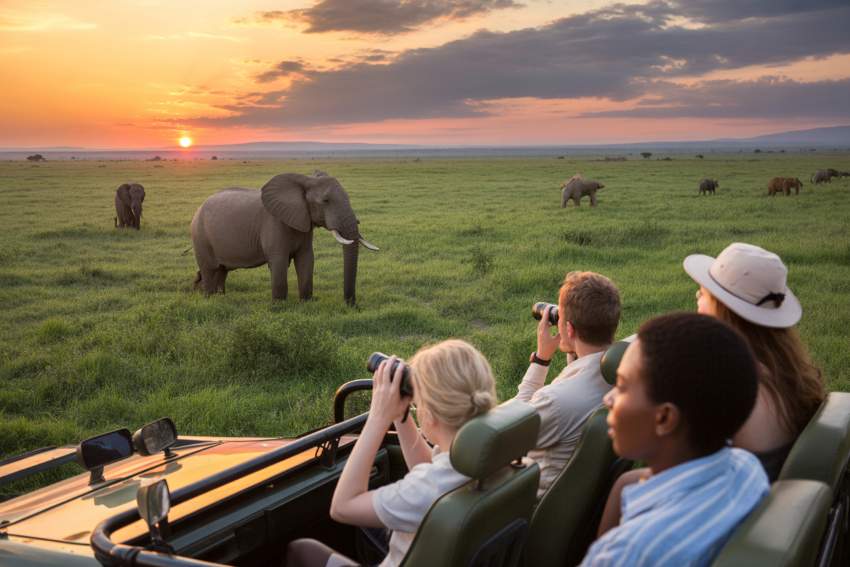
In December 2025, there was a noticeable increase in safari tourism throughout East Africa, particularly in Kenya and Tanzania, as well as other parts of Southern and Western Africa. This increase, particularly during the holiday season, reflects a larger trend of nature-based tourism gaining popularity among global and regional travellers. Compared to previous years, record numbers of visitors visited these regions’ sprawling parks and wildlife reserves, resulting in a significant economic impact for national parks and conservation efforts.
Kenya’s National Parks See Unprecedented Visitor Numbers
Kenya has long been a top destination for safari enthusiasts, attracting travellers to its extensive national parks and wildlife reserves. December 2025 saw a dramatic increase in the number of visitors, with official figures from Kenya Wildlife Services (KWS) showing that over 300,000 people visited Kenya’s parks during the festive season. Of these, a significant 231,000 were Kenyan citizens and residents, while around 82,500 were international tourists.
The rise in domestic tourism, particularly among Kenyan citizens, can be attributed to a targeted seasonal campaign dubbed ‘Jiachilie’, which means ‘let yourself go’ or ‘chill out’. This initiative was designed to encourage Kenyans to reconnect with nature by offering affordable packages that included incentives like free nights and additional perks for larger groups. By offering deals such as a free 4th night for every 3-night stay, KWS aimed to foster a deeper connection with nature among locals. This promotion was especially successful in increasing the number of families and organized groups visiting the parks. Families travelling together were offered free entry for additional children or adults when using larger transport options like buses and vans, making safaris more accessible for the masses.
This rise in local travel further supports Kenya’s aim to reach five million visitors annually by 2028. The country’s increasing emphasis on domestic and regional tourism underscores its efforts to diversify tourism revenue streams and foster a broader appreciation for its natural heritage. For many visitors, the appeal of longer and more immersive safari experiences outweighed short-term trips, with more people opting for premium stays and extended visits.
Serengeti’s Record-Breaking Season
In neighbouring Tanzania, a similar surge was observed at Serengeti National Park, one of the most renowned wildlife sanctuaries in the world. According to government data, approximately 75,000 to 100,000 visitors toured the Serengeti in December 2025, a substantial rise compared to previous years. A majority of these visitors—around 70,000—were international tourists, with the remainder of the visitors coming from within Tanzania, many of whom were taking advantage of the long school holiday period.
The Serengeti’s seasonal offerings, such as free night stays and discounts for honeymooners, were popular among tourists. The introduction of discounted rates on accommodation, as well as the promise of more exclusive safari packages, helped boost the park’s visibility as a prime destination for both seasoned travellers and first-time visitors. By mid-December, Serengeti had already logged around 491,000 visitors for the current season, with expectations to exceed 500,000 by January 2026. The region is set to see further growth due to the Great Wildebeest Calving Season, which begins in mid-December and peaks in early 2026. This natural spectacle, which sees the birth of over 500,000 calves in the southern Serengeti, attracts hundreds of thousands of safari enthusiasts from all over the world. This season is regarded as one of the most spectacular wildlife events globally, making it a major draw for tourists seeking a truly unique safari experience.
Southern Africa Follows Suit with Tourism Growth
Elsewhere in Africa, the tourism surge was not isolated to East Africa. South Africa, known for its iconic Kruger National Park, also experienced an influx of tourists during the holiday season. To manage the increasing number of visitors, the South African National Parks (SANParks) agency implemented stricter entry regulations, enforcing daily gate quotas and requiring advance online bookings for entry. This move was aimed at minimizing congestion while maintaining the quality of the visitor experience, which has become increasingly important as more people flock to the country’s famed national parks.
The trends seen in South Africa also mirrored those in Namibia, which has embraced the growing nature-based tourism boom. The Namibian Ministry of Environment, Forestry and Tourism announced a new conservation fee to be added to entrance fees to support park management and infrastructure improvements. After a recovery from the pandemic, Namibia has witnessed a notable rebound in its tourism sector, driven largely by its unique desert landscapes and abundant wildlife. The country’s national parks, including the Namib-Naukluft and Etosha, have become increasingly popular with both international tourists and regional visitors looking to explore the untouched beauty of southern Africa.
Expanding Tourism Opportunities in Gambia, Uganda, and Zambia
The trend is also gaining traction in countries across Western and Southern Africa, including Gambia, Uganda, and Zambia, which have all seen increased visits to their national parks toward the end of 2025. In these regions, nature-based tourism is expected to grow as governments and local businesses continue to invest in wildlife conservation, ecotourism infrastructure, and improved accessibility for international travellers. As more visitors seek immersive, nature-orientated experiences, African governments are beginning to recognize the economic and environmental potential of their vast green spaces.
Africa’s Nature-Based Tourism Potential
While the surge in nature-based tourism is certainly a positive development, studies have shown that Africa has yet to tap into its full potential in this sector. Africa’s green spaces, which span vast landscapes from the Sahara Desert to the tropical rainforests of Central Africa, have the potential to generate substantial revenue, create employment, alleviate poverty, and provide funding for conservation efforts. Additionally, a greater appreciation for biodiversity and sustainable tourism practices is essential for preserving these ecosystems for future generations.
As African nations continue to develop their tourism infrastructure and improve access to their national parks, the hope is that nature-based tourism will become an even greater economic driver for the continent. By capitalizing on the growing demand for nature-focused travel, African countries can position themselves as global leaders in sustainable tourism while simultaneously benefiting local communities and protecting the environment.
Conclusion
Nature-based tourism is on the rise in Kenya, Tanzania, and other African countries, reflecting a broader shift in the global tourism landscape towards more sustainable, eco-friendly travel. As safari bookings rise and visitors flock to the continent’s iconic national parks, the environmental and economic benefits become clear. With continued investment in conservation, infrastructure, and accessibility, Africa’s nature-based tourism sector has the potential for long-term growth, providing a more sustainable and immersive way to experience the continent’s extraordinary wildlife and natural beauty.
