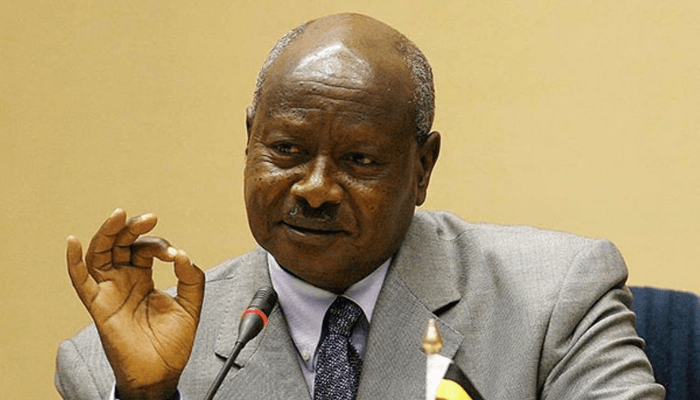
Museveni set to extend 40 years in power as Uganda votes under cloud of violence.
Ugandans will go to the polls on Thursday in a presidential election widely expected to hand Yoweri Museveni another term, extending his grip on power beyond four decades, even as questions mount over succession, political freedoms, and the country’s future direction.
Museveni, 81, a former rebel leader who seized power in 1986, is seeking a seventh term. He argues that staying in office will allow him to “protect the gains” of relative peace and stability in the East African nation, which has a population of approximately 46 million people.
Read also: Uganda’s 81-year-old president confirms bid for seventh term in office
Political analysts say his long-standing control of state institutions and the ruling National Resistance Movement make his victory in both the presidential and parliamentary races highly likely. Yet the conduct of the vote, and the tensions surrounding it, could shape Uganda’s political path long after ballots are cast.
The most prominent challenger is Robert Kyagulanyi, widely known as Bobi Wine, a 43-year-old pop star turned opposition leader. Wine finished second in the 2021 election with 35 per cent of the vote and has since emerged as a powerful voice for young Ugandans frustrated by unemployment, corruption, and what they see as shrinking democratic space.
“This election is about freedom,” Wine has said at campaign rallies, accusing Museveni of presiding over “40 years of dictatorship”. The government rejects claims of widespread human rights abuses.
Read also: Uganda opposition says more than 300 supporters detained as election campaign heats up
Museveni has amended the constitution twice during his time in office, removing both term and age limits. Those changes cleared the way for his continued rule but also intensified debate about who might eventually succeed him.
Other candidates include Mugisha Muntu, a former military chief known for his anti-corruption stance, and Nandala Mafabi, a veteran lawmaker and former opposition leader in parliament. Together with Wine, they face an uphill battle against a political system long dominated by the ruling party.
The president’s campaign has focused on economic promises. He says Uganda can reach middle-income status by expanding manufacturing, adding value to agricultural exports such as coffee and cotton, and capitalising on oil production expected to begin later this year. Uganda has also deepened economic ties with China and other non-Western partners, including Russia and the United Arab Emirates. China National Offshore Oil Corporation is a key partner in the Lake Albert oil project.
Read also: Abia ready to partner Uganda, others to scale MSMEs
Concerns about unrest loom large. Past elections have been marked by violence and heavy-handed security responses. More than 50 people were killed ahead of the 2021 vote during protests sparked by Wine’s arrest. In the run-up to this election, hundreds of opposition supporters have been detained, and at least one person has been killed at a campaign event.
The tensions reflect a broader regional pattern. Youth-led protests in neighbouring Kenya and Tanzania in recent years have highlighted growing anger over corruption and limited economic opportunity, pressures that Uganda’s leadership is keen to contain.
As Ugandans head to the polls, the outcome may be largely predictable. But the forces at play, from youthful discontent to unresolved succession questions, suggest the vote could have lasting consequences beyond Museveni’s expected victory.
Faith Omoboye is a foreign affairs correspondent with background in History and International relations. Her work focuses on African politics, diplomacy, and global governance.