Home » Middle East » Kenya Reclaims the Cruise Spotlight: How Mombasa’s Coastal Revival Is Redefining East Africa’s Luxury Sea Travel
Published on
January 13, 2026
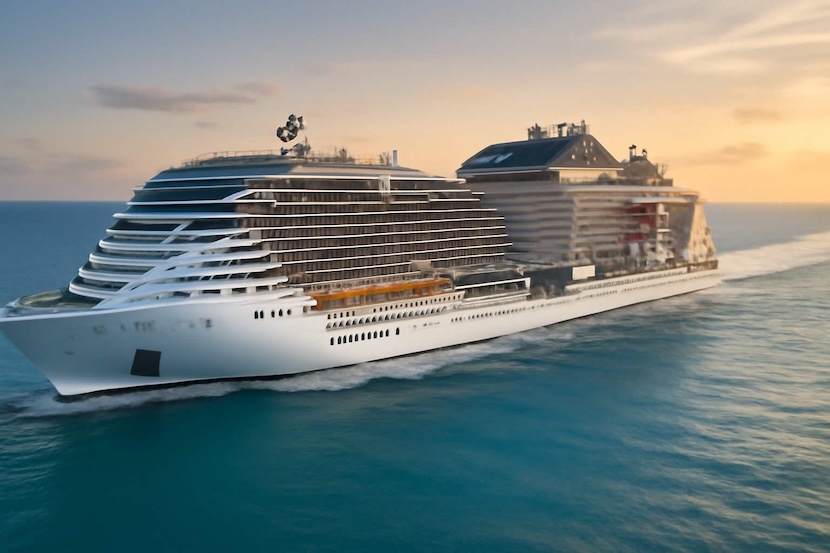
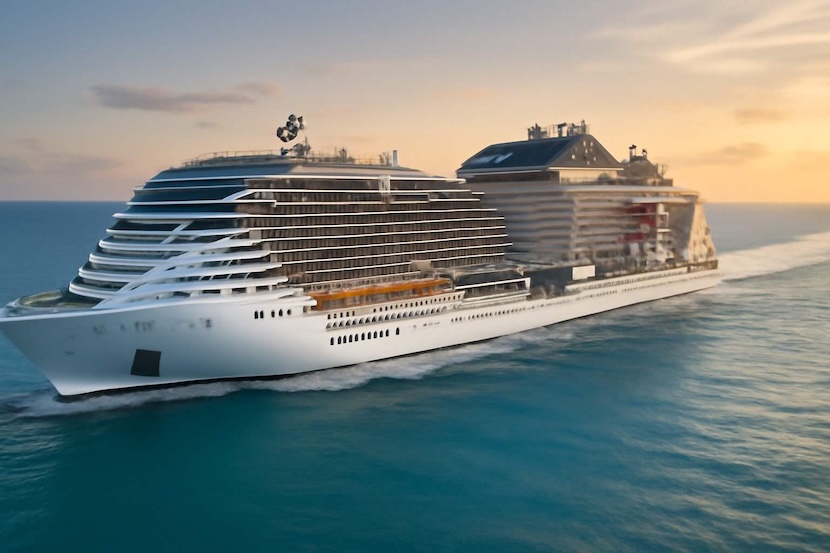
Kenya is making waves in global tourism with the return of cruise tourism to its coastline. After years of being overlooked as a cruise destination, the country’s ports are now welcoming international cruise ships, offering travellers an exciting way to explore Kenya’s coast. This marks a significant step in diversifying the country’s tourism offerings beyond the well-known safaris and inland adventures. For global travellers, Kenya is now a destination where wildlife, culture, and the Indian Ocean meet in a single journey.
Cruise tourism has a unique appeal. Passengers can experience multiple destinations in one trip while enjoying luxury onboard facilities. For Kenya, cruise tourism is not just about more visitors—it is a way to stimulate the coastal economy, create jobs, and showcase the country’s rich culture and natural beauty to the world. The growth of cruise arrivals signals a broader vision for Kenya’s tourism sector, aiming to position the country as a premium maritime destination in East Africa.
Modern Ports Transform Kenya into a Cruise Hub
A key factor behind Kenya’s cruise resurgence is the modernisation of its ports. The Port of Mombasa now features a dedicated terminal designed to handle cruise passengers efficiently. This investment ensures travellers can disembark comfortably, access local attractions quickly, and return to their ships without delays. Plans to develop smaller ports along the coast, including in Kwale and Lamu, are also underway. These developments aim to distribute tourism benefits more widely and avoid overcrowding in Mombasa while providing visitors with diverse coastal experiences.
The infrastructure upgrades have also attracted international cruise lines that previously bypassed Kenya. Larger ships can now dock safely, and itineraries can include multiple coastal stops, making Kenya a compelling option on East African cruise routes. For tourists, this means easier access to some of the region’s most beautiful beaches, cultural landmarks, and marine experiences.
Simplified Travel Policies for Cruise Visitors
Kenya has implemented traveller-friendly policies to encourage cruise tourism. Simplified visas and entry procedures make it easier for international passengers to explore the coast. Passengers can now disembark for shore excursions without complicated paperwork, allowing them to maximise their limited time in port. This seamless process is crucial for cruise tourists, who often have only a day or two to enjoy the destination.
The improved travel policies align with Kenya’s broader strategy to make the country more accessible to international visitors. By reducing bureaucracy and enhancing the travel experience, Kenya is competing effectively with other Indian Ocean destinations and offering a more convenient option for global cruisers.
Experiences Awaiting Cruise Visitors
For travellers, Kenya’s coastal offerings are diverse and memorable. Mombasa’s historic Old Town, with its winding streets, vibrant markets, and centuries-old architecture, provides a cultural immersion unlike any other. Visitors can explore the iconic fortifications, sample local cuisine, and interact with Swahili communities to gain insight into Kenya’s rich heritage.
The coastline also features pristine beaches and clear waters, perfect for swimming, sunbathing, and water sports. Marine parks and coral reefs provide opportunities for snorkelling and diving, offering glimpses of vibrant underwater life. Excursions often include dhow boat trips, cultural performances, and visits to nearby towns, creating a holistic and unforgettable travel experience.
Economic Benefits for Coastal Communities
Cruise tourism brings more than leisure—it generates substantial economic impact for local communities. Passengers spend money on guided tours, transport, crafts, food, and other services. This revenue supports small businesses, creates employment opportunities, and strengthens the coastal economy. Tourism authorities are working closely with communities to ensure that the benefits of cruise tourism are shared sustainably and that infrastructure keeps pace with visitor demand.
By diversifying the tourism market to include maritime arrivals, Kenya is reducing over-reliance on traditional safari tourism and expanding opportunities for local entrepreneurs and service providers along the coast.
Sustainable Tourism Practices
While cruise tourism is growing, Kenya is committed to sustainable practices. The country recognises that its coastal ecosystems, coral reefs, and heritage sites are fragile and require careful management. Policies and programmes are being implemented to balance growth with environmental protection, ensuring that tourism does not harm the natural or cultural resources that make Kenya unique.
Visitors are encouraged to engage responsibly, respecting local traditions, wildlife, and marine environments. Sustainable tourism is at the core of Kenya’s vision for cruise tourism, ensuring that the sector remains a positive force for both travellers and local communities.
Kenya: A Must-Visit Cruise Destination
The revival of cruise tourism in Kenya signals a new era for the country’s tourism industry. For global travellers, it opens a gateway to explore East Africa’s coast in comfort and style. From the bustling streets of Mombasa to the serene beaches and coral reefs along the Indian Ocean, Kenya now offers a travel experience that combines culture, adventure, and luxury.
For those seeking a unique maritime journey, Kenya promises an unforgettable combination of scenic beauty, cultural richness, and world-class hospitality. Cruise tourism is transforming the way the world sees Kenya, turning the country’s coastline into a must-visit destination for travellers from all corners of the globe.
