When Uganda heads to the polls, the spotlight isn’t just on the ballot. Tech’s right there too, front and center. The internet, social media, and all those digital tools are set to play a huge part in the next election, just like they have before.
But if you know anything about Uganda’s recent election history, you know that this story usually comes with a twist: whenever things get tense, the government clamps down, and this is not just talk.
Past elections in Uganda have followed a pattern: when political temperatures rise, access to digital platforms shrinks. From internet shutdowns to social media blocks and digital surveillance, technology has emerged to be a silent but strong player in how elections are run.
Looking at the past gives a clear warning about what’s coming. The same playbook could easily come out again. So as the next vote approaches, it’s not just about who wins or loses.
It’s about who gets to speak, who gets silenced, and how much control the people really have both online and off.
A Look Back: Tech and Elections in Uganda
Internet Shutdowns Become a Norm
In Uganda’s 2021 general election, the government ordered a nationwide internet shutdown just days before voting, citing the need to maintain “security and public order.”
For several days, social media platforms went dark, messaging apps stopped working, and independent election reporting became almost impossible, cutting off a key channel for public information and civic engagement.
READ: Uganda Orders Nationwide Internet Shutdown Ahead of Elections
The effects went far beyond politics as citizens were barred from sharing live updates from the polling stations, following independent media online, or using mobile money and other services as they often did.
In a country where young voters heavily relied on the internet for news and ways to be involved in politics, the blackout changed how the election was experienced.
Social Media: Taxed, Blocked, and Restricted
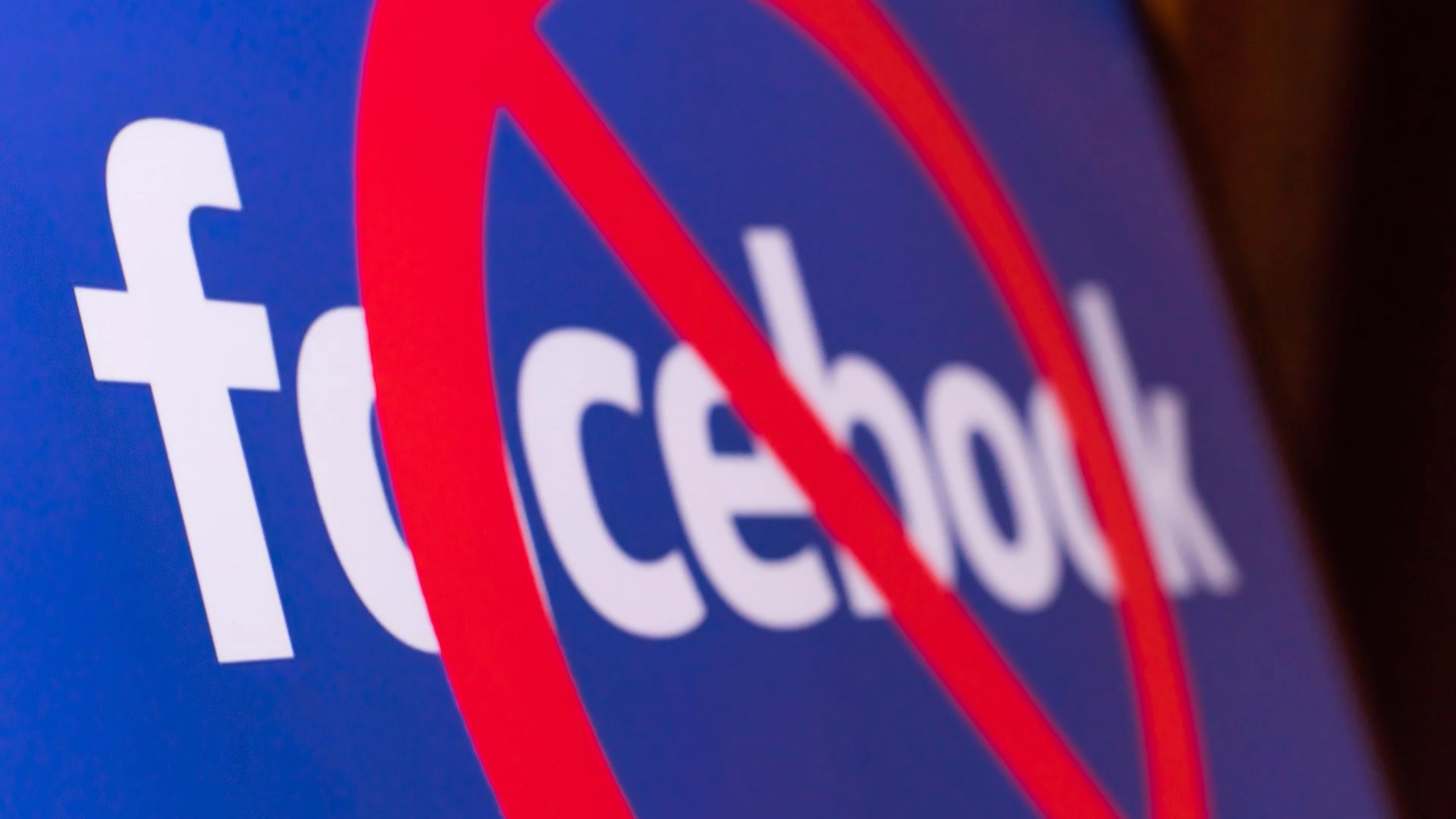
Even outside election periods, Uganda has been highly suspicious of social media. During recent years, for instance, the government has introduced a social media tax that has made access more expensive. It also recently blocked Facebook after a government and Meta standoff.
This occurred after Meta Incorporated deleted accounts that were connected to a series of political manipulation activities, which the government felt was an intervention by the organization.
As a result, millions of Ugandan citizens were cut off from one of their major communication channels, raising deeper questions of how easily disputes between politics and Big Tech can escalate to impact freedom of access to digital platforms.
President Yoweri Museveni has publicly defended Uganda’s hardline approach to internet controls and its fallout with Meta.
During the January 2021 election period, he justified restrictions on Facebook by saying, “I am sorry for the inconvenience to those who have been using this channel (Facebook), but we cannot tolerate this arrogance of anybody coming to decide for us who is good and who is bad.”
In November of last year, Museveni framed the continued blocking of Facebook as a deliberate show of power, declaring, “I had to teach Facebook a lesson. They thought that without them Uganda wouldn’t survive. We had to make sure that Facebook knows we are unstoppable.”
Together, the remarks show how internet restrictions in Uganda have been driven as much by political sovereignty and control as by security concerns, with lasting implications for digital access and expression.
Authorities have also repeatedly warned platforms against “misuse,” especially during politically sensitive moments.
Rather than silencing political debate, these measures have simply pushed conversations into less visible spaces, such as encrypted messaging apps.
READ: Government Loses Power to Block Social Media After Court Ruling
As a result, public discourse has become harder to track, moderate, or fact-check, while political conversations continue beyond the reach of mainstream platforms.
Laws That Make Online Speech Risky
Uganda’s Computer Misuse Act and related legislation provide broad powers to law enforcement agencies to police online activity using vaguely defined crimes like “offensive communication” and “misuse of electronic platforms.”
READ: High Court Freezes Ruto’s New Cybercrime Law Pending Review
In practice, such provisions are used to arrest activists, charge journalists, and silence government critics, especially on online speeches touching on political issues.
As election periods approach, enforcement of these laws often intensifies. This has a chilling effect on digital expression, where many users self-censor rather than risk arrest or prosecution, thereby narrowing the space for open political debate online.
What’s Different This Time?
Satellite internet is now on the government radar. A new development on the eve of the upcoming general elections is the government’s tight control over satellite internet, including Starlink equipment.
Satellite internet provides a thing that makes governments feel uneasy, especially during elections: access that does not depend on local telecommunication infrastructure.
The restrictive policies on importation and licensing indicate that the government would like to ensure that, in the event that fixed networks are constrained, there would be no way around digitally.
Surveillance is quieter but more advanced. The government might lean on things like content monitoring, scrubbing accounts, or even arresting people over what they post online.
You don’t see it as easily as a full shutdown, but honestly, it works just as well when it comes to shaping public opinion and shutting down dissent. Plus, it’s a lot tougher for citizens or outside observers to catch or challenge what’s really happening.
Live reporting is under pressure, too. Rules against live-streaming protests or so-called “unlawful assemblies” mean you’re less likely to see raw, real-time coverage, especially when things get tense.
READ: High Court Strikes Down Ban on Broadcasting Live Protests
That opens the door for official stories to take over, while other perspectives get stuck in the shadows.
What This Means for the Upcoming Uganda Elections
As Uganda gears up for the next election, digital campaigning feels tense and careful. Politicians, activists, and civil society groups don’t want to draw too much attention online, so they play it safe.
Instead of blasting out bold messages, they’re sticking to offline events and moving anything sensitive into private chats. Nobody wants to get caught up in surveillance or risk legal trouble. That’s just the reality now; everyone’s watching, and the rules keep tightening.
READ: How to Install a VPN and the Best Options in Kenya
For regular voters, this clampdown means it’s actually harder to get solid information. Social media platforms get monitored or even blocked, so people end up relying on word of mouth, missing live updates, and struggling to find independent news about the election.
Oddly enough, when leaders try to control the flow of information, rumors and fake news just spread faster.
And it’s not only politics taking a hit. Businesses and digital services feel the squeeze too. Think about mobile money, online shopping, ride-hailing, delivery apps, or even remote work; everything gets disrupted when the internet goes down, even for a few hours.
Past shutdowns have shown that the economic fallout can be massive, even from short interruptions.
Remember, Uganda’s elections aren’t just a local story. They show a bigger shift happening in parts of Africa, where technology isn’t just a neutral tool anymore.
READ: Tanzania Suffers Nationwide Internet Disruption on Election Day
Now, whoever controls the internet, the platforms, and the digital rules has real power, just like with TV or newspapers in the past.
So, the question isn’t whether people will use technology in these elections, but how tightly those in charge will hold the reins and what price everyone pays in transparency, trust, and public involvement.