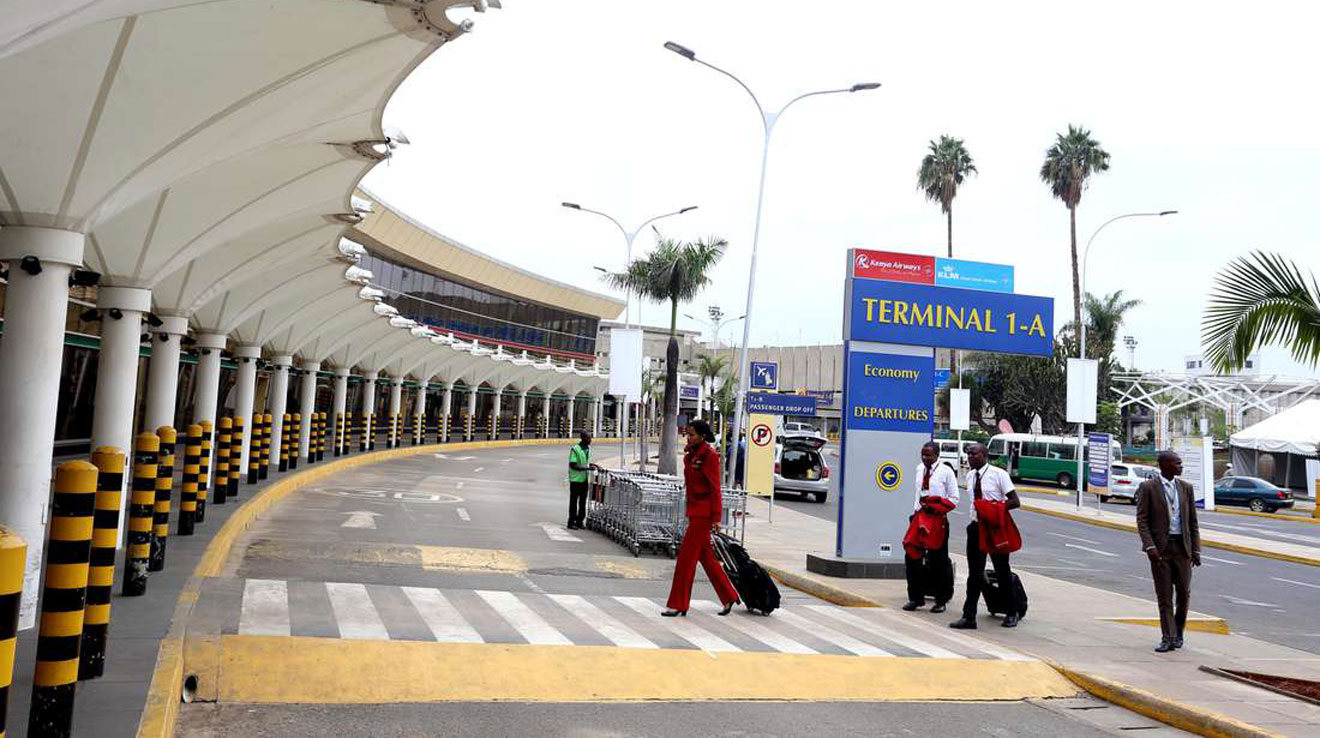
Kenya has reaffirmed its commitment to modernizing Jomo Kenyatta International Airport (JKIA), signaling renewed momentum for the long-delayed expansion as regional competitors advance with new airport infrastructure.
In a recent address, President William Ruto underscored the strategic importance of upgrading JKIA, reviving plans that are central to Kenya’s goal of maintaining its status as East and Central Africa’s leading aviation, business, and diplomatic hub. This statement has been widely interpreted as a clear signal that airport modernization is back on the national agenda.
Ethiopia has already launched a new international airport, and Rwanda is constructing the Bugesera International Airport in partnership with Qatar. These developments have intensified regional competition for air traffic, investment, and global influence.
Clear vision, urgent execution
With a clear policy direction articulated at the highest level, focus is increasingly turning to the Kenya Airports Authority (KAA), the agency responsible for translating the government’s vision into reality.
Analysts suggest that reviving the JKIA modernization plan presents a critical opportunity for KAA to rebuild trust among airlines, investors, and development partners. The government’s message is clear: JKIA must be modernized. The next challenge lies in execution, including establishing timelines, financing structures, and demonstrating visible progress.
KAA’s leadership is crucial for coordinating stakeholders, mobilizing investment, and ensuring that expansion plans address future passenger, cargo, and security needs.
Tourism, trade and investment implications
A modernized JKIA is vital for maintaining Kenya’s competitiveness in tourism and trade. Efficient airports influence airline route decisions, visitor experiences, and cargo logistics, all of which directly impact economic growth.
Tourism stakeholders note that renewed momentum on JKIA sends a positive signal to long-haul carriers and high-value travelers. Business leaders assert that clarity on airport expansion enhances Nairobi’s appeal as a regional headquarters. With certainty regarding JKIA’s future, investors can plan with confidence, strengthening air connectivity as a key economic driver.
Conferencing and diplomacy
Nairobi’s status as a premier conferencing city and diplomatic center is closely tied to JKIA’s performance. Large international meetings require airports capable of managing peak traffic, diplomatic movements, and tight schedules.
Kenya hosts the largest United Nations presence in Africa, a position that brings significant economic and geopolitical benefits. Continued investment in aviation infrastructure is essential for maintaining and expanding this role.
The government’s renewed commitment to JKIA modernization reinforces Kenya’s reputation as a reliable host for international organizations and global events.
A competitive regional race
While Ethiopia and Rwanda have progressed swiftly from planning to construction, Kenya’s reaffirmed vision demonstrates its determination not to fall behind. Industry observers argue that decisive action by KAA, supported by strong political backing, can still secure Kenya’s hub status. The window for action is narrowing but remains open, provided there is clear leadership and effective execution.
Turning vision into reality
As regional competition intensifies, the revival of JKIA modernization plans represents a crucial reset. The challenge now is to convert policy intent into tangible progress.
For Kenya, the stakes are high. A modern, efficient JKIA is essential for tourism growth, business competitiveness, and diplomatic influence. With the government’s vision clearly restated, the responsibility now lies with KAA to act swiftly and decisively, ensuring that Kenya’s main gateway keeps pace with its regional ambitions.