Home » TOURISM NEWS » Tanzania Unleashes Explosive Tourism Growth, Dominating European Markets And Redefining Travel Destinations!
Published on
January 14, 2026
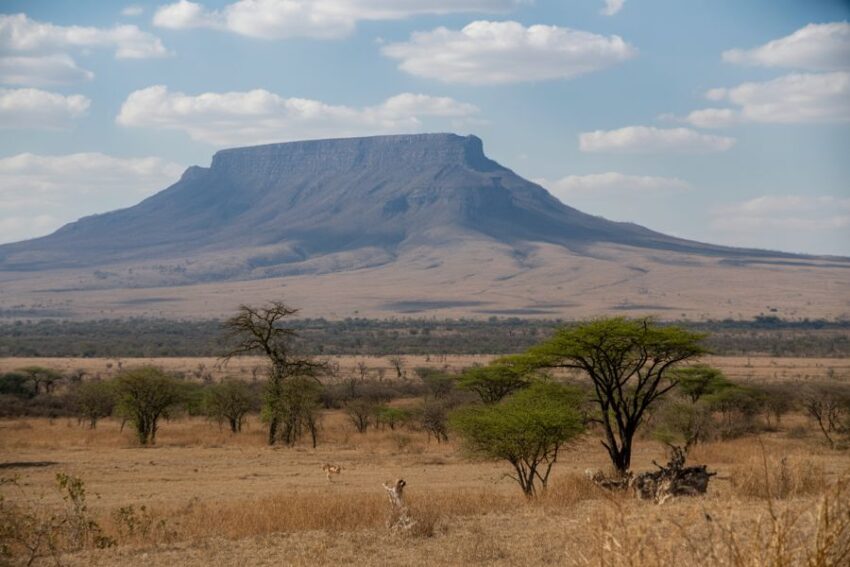
Tanzania, with its alluring scenery from the Serengeti’s limitless meadows to the Zanzibar’s aromatic streets, is witnessing a great tourism explosion like never before. The United Republic of Tanzania (URT) recorded 2.14 million foreign tourists in 2024, an increase of 18.5 per cent from the previous year. This upturn in tourism has not only helped the country in terms of earnings, bringing in a whopping USD 3.9 billion in tourism revenue, but it has also secured Tanzania’s place among the most preferred destinations for European travellers. Besides its rich culture, stunning wildlife, and improving infrastructure, Tanzania is gaining acceptance as a primary destination for global explorers.
Tanzania’s Tourism Boom: A Record-Breaking Year
2024 marked a historic milestone for Tanzania’s tourism sector, with international visitor numbers reaching 2.14 million. This increase has far exceeded expectations, with the country surpassing its 2025 target a year ahead. Tourism revenue from these visitors topped USD 3.9 billion, as reported by Tanzania’s National Bureau of Statistics and the 2024 International Visitors’ Exit Survey Report. This surge in international arrivals is a positive indicator of a strong recovery since the global pandemic, reaffirming Tanzania’s status as a globally competitive tourism destination.
The country’s appeal has been further enhanced by its stunning landscapes, which offer both adventure and cultural richness. From the wildlife of the Serengeti and Mount Kilimanjaro to the pristine beaches of Zanzibar, Tanzania’s diverse offerings continue to attract travellers worldwide. European visitors have played a pivotal role in this growth, particularly from markets such as Italy, Germany, France, and Poland, which dominate the number of international arrivals.
Zanzibar and Mainland: The Favourite Destinations for Europeans
Among Tanzania’s many attractions, Zanzibar remains the crown jewel, drawing the highest number of European visitors. In 2024, Europeans made up about 71.6 per cent of all international visitors to Zanzibar, with Italy, Germany, France, and Poland being the leading markets. The United Kingdom also accounted for a significant portion, with over 42,000 British tourists visiting Zanzibar that year.
Month-by-month reports from the Office of the Chief Government Statistician show that European arrivals continued to dominate into 2025, with travellers from Italy, France, Germany, and Poland making up 73.9 per cent of international arrivals in January 2025. This trend is not limited to Zanzibar alone but is also visible across the mainland safari circuits, where tour operators report robust bookings from European markets. Whether it’s a family safari in Serengeti or a cultural tour in Kilimanjaro, Europeans are staying longer and exploring more of the country, contributing to Tanzania’s growing reputation as a multifaceted travel destination.
The Economic Impact: Jobs, Local Enterprises, and Sustainable Growth
Tanzania’s tourism growth has created a ripple effect, benefiting local communities and small businesses. From village homestays to coastal markets and family-run enterprises, the influx of international tourists has had a direct impact on Tanzania’s rural and urban economies.
In remote areas near national parks, local guides are able to share their deep knowledge of the environment, enhancing the safari experience while earning income to support their families. Coastal regions like Matemwe and Jambiani in Zanzibar have also benefited from the tourism boom, as women’s groups sell hand-woven baskets, spice blends, and natural salt to visitors. These income-generating activities have empowered local women and supported sustainable livelihoods in the region.
The government has also made significant investments in infrastructure, including new roads and regional airstrips in major tourist areas like Serengeti, Nyerere, Ruaha, and Mikumi parks. This has not only enhanced the visitor experience but has created jobs for drivers, chefs, trackers, and local craft producers, many of whom had limited opportunities in the past. Such initiatives have been key in transforming Tanzania’s tourism sector into a vehicle for inclusive growth, supporting both tourism-driven and community-driven development.
Sustainable Tourism: A Key Focus for European Visitors
Tanzania has made notable strides in incorporating sustainability into its tourism development. The country has prioritised eco-friendly and conservation-linked initiatives to ensure that tourism supports both local communities and the environment. European tourists, especially those from the UK, Germany, France, and Scandinavia, are increasingly attracted to destinations that emphasise responsible travel, and Tanzania has positioned itself as a leader in this field.
Tanzania’s commitment to preserving its unique biodiversity, from the iconic lion prides of the Serengeti to the vibrant marine life surrounding Zanzibar, is central to its tourism appeal. By reinvesting tourism revenue into conservation, Tanzania is ensuring that its natural beauty remains protected for future generations, creating a model for sustainable tourism that can be replicated globally.
The Future of Tanzanian Tourism: A Growing Destination for Investors
The impressive growth in Tanzania’s tourism sector has caught the attention of European investors. With its rapidly growing tourism revenue, improving infrastructure, and supportive regulatory environment, Tanzania presents a rare combination of opportunities for investment. The country has become an attractive market for those looking to invest in luxury eco-lodges, beach resorts in Zanzibar, and sustainable tourism technologies.
Tanzania’s government actively encourages foreign investment in sectors such as hospitality, tourism technologies, and community-driven tourism. This has led to the development of high-end accommodations and eco-friendly lodges tailored to upscale safari tourists. European investors are increasingly drawn to Tanzania’s pro-investment policies, which support the development of sustainable tourism businesses while benefiting local communities.
Tanzania: A Destination for Both Tourists and Investors
The historic rise in Tanzania’s tourism in 2024 has been an indicator of the country’s gradual but steady travel destination. With breathtaking views, diverse cultures, and a major emphasis on eco-friendly tourism, Tanzania has turned into one of the hottest spots for European travelers. The influx of tourists is not just an economic boost, but also opening doors to local communities and small enterprises, hence making it an exemplary case of inclusive growth.
