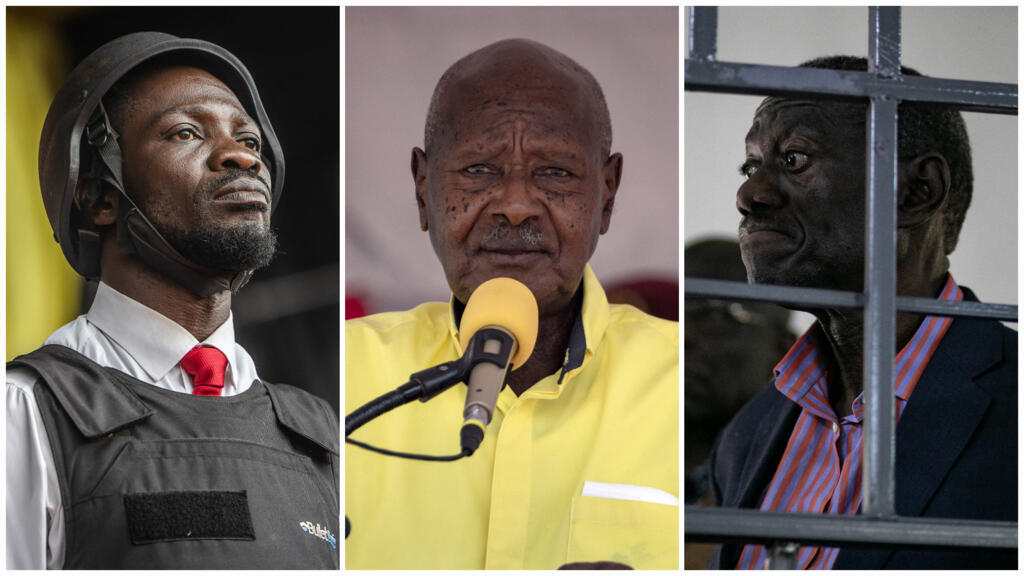
The Uganda Communications Commission on Tuesday ordered all service providers to suspend internet access, citing public safety concerns. It said the measure was aimed at preventing online misinformation, disinformation, electoral fraud and the incitement of violence.
The move contradicts earlier assurances from the authorities.
Earlier this month, the commission dismissed reports of a possible blackout as “mere rumours”, insisting its role was to guarantee uninterrupted connectivity nationwide. The government had also promised that the internet would remain accessible during election day.
The shutdown comes amid an intensified crackdown on the opposition as President Yoweri Museveni seeks to extend his four-decade rule.
The 81-year-old leader, who has been in power since 1986, is widely expected to win a seventh term, having maintained tight control over state institutions and the security forces.
Entrenched presidency
Uganda’s elections on Thursday are expected to be a duel between Museveni and singer-turned-opposition leader Bobi Wine, who is running for president for a second time with strong backing from young voters.
Around 21.7 million people are registered to vote, according to Uganda’s Electoral Commission.
With campaigning ending on Tuesday, on Monday Museveni took his message to the Kasese district, in the far west of the country.
Speaking to a crowd of several thousand people wearing the yellow colours of his National Resistance Movement (NRM), Museveni defended his record, focusing on the political stability he said had been restored since he took power in 1986, following decades of political turmoil.
“The NRM rejected ethnic or religious politics because they are sterile, they make no sense,” he told the crowd. “The NRM rejected sectarianism. That is why we created a strong national party and were able to build strong national institutions – the army, the police, the civil service… It is thanks to this that we now have peace.”
His final rally was held in Kampala on Tuesday. If reelected, he will be serving his seventh mandate.
Facing Museveni are seven other candidates, but the most prominent by far is the leader of the National Unity Platform (NUP), Wine, aged 43 – real name Robert Kyagulanyi.
Arbitrary arrests
Rights groups and international monitors have accused Uganda‘s authorities of arresting opponents and candidates, abductions and media intimidation in the run-up to the election.
Amnesty International on Monday said that Ugandan security forces had used torture and arbitrary arrests to intimidate the opposition before the election. That included security officers beating and using tear gas against NUP supporters, the global rights monitor said.
Crackdown on Uganda’s opposition intensifies as elections draw near
Wine, who has been repeatedly arrested in the past, campaigned in a flak jacket, saying the race has become a “war”.
“They cannot abduct all of us,” he said at an NUP rally last week. “The jails are already full and we are still millions of change-seeking Ugandans out there.”
Many see in Wine the last hope for a regime change, as entire generations have only known Museveni as President.
The historic opposition leader Kizza Besigye is still in prison after having been kidnapped in November 2024 while in Kenya. He endorsed Wine at the weekend.
Kenya slammed as ‘rogue state’ over Ugandan opposition leader kidnap
Wider democratic erosion
Ugandans also fear a repeat of the violence surrounding the 2021 elections in a similar climate, when many people lost their lives.
“The army chief and the spokesperson issued warnings urging voters not to linger near polling stations after casting their ballots,” Godber Tumushabe, of the Great Lakes Institute for Strategic Studies, told RFI.
“And one particularly disturbing comment came from a senior officer in the army’s Fourth Division in Gulu. He warned that Ugandans who remained near polling stations after voting could be arrested… or shot.”
Concerns of a wider erosion of democracy in East Africa are high, after elections in neighbouring Tanzania in October descended into violence amid rigging allegations, with hundreds of protesters killed by security forces.
Dozens of anti-government protesters have also been killed in protests in Kenya since 2024.
“Museveni brandishes the slogan ‘protect the gains’, but you don’t protect a military regime,” human rights lawyer Tito Magoti told RFI.
“I urge him to renounce violence. As the election approaches, the state wants to exclude citizens from governing their country. And this could end badly.”
In the 2021 election around 59 percent of registered voters cast a ballot, with 10.7 million participating out of 18.1 million registered. Population growth and a booming young generation make voter engagement more unpredictable this year.