ZAM’s investigative journalism network has called on the international community to stand by Ugandan journalists and activists as President Yoweri Museveni’s government clamps down on media outlets and civil society organisations.
In its statement released less than 48 hours before Uganda’s general elections, ZAM noted that the call was urgent as “citizens face an iron fist from an autocratic president set to remain in power.”
“On Tuesday, 13 January, two days before elections to be held on January 15, Uganda’s autocratic regime suspended ten human rights and media organisations in the country,” the statement said.
It added, “The suspension, which included the freezing of the organisations’ bank accounts, was announced by Uganda’s ‘NGO Bureau’ with immediate effect, citing investigations into activities alleged to be prejudicial to national security.”
ZAM said the affected organisations include ZAM network partners—the investigative journalism Agora Research Centre, the Network of Public Interest Lawyers, and the civil liberties monitoring organisation Chapter Four.
Besides these, the Alliance for Election Finance Monitoring, the Centre for Constitutional Governance, the Human Rights Network for Journalists-Uganda, the National Coalition of Human Rights Defenders, the African Centre for the Treatment and Rehabilitation of Torture Victims, and the African Centre for Media Excellence were also suspended.
It clarified that each organisation received letters from the ‘bureau’ notifying them of the suspension, citing intelligence information alleging that they are “engaged in activities that contravene Uganda’s laws and threaten national security, contrary to Section 42(d) of the NGO Act.”
The clampdown comes barely two days before Uganda conducts its presidential elections on January 15.
The organisations that have now been banned by Mr Museveni’s government would have been the foremost entities checking on feared human rights abuses and vote rigging, especially by the ruling party.
Speaking further, ZAM said, “This clampdown does not stand on its own. A day before the banning, the army already rolled out tanks and deployed soldiers across several suburbs in Uganda’s capital, Kampala, and other towns.
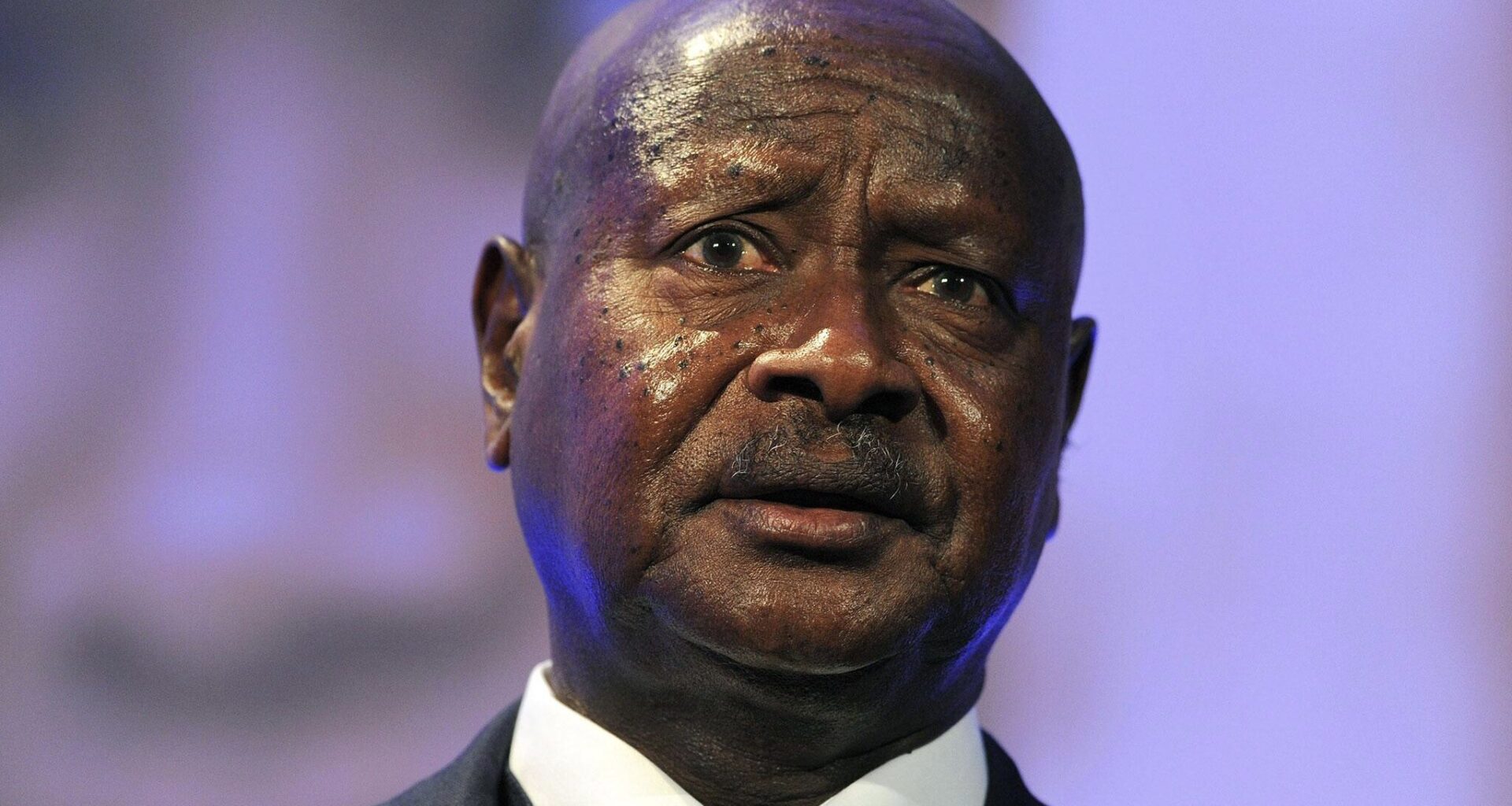
“Two weeks earlier, executive director of the Centre for Constitutional Governance Sarah Bireete was imprisoned and charged over vague allegations, with analysts pointing out that Bireete had been critical of Uganda’s President Yoweri Museveni (81), who is running for a seventh five-year term in the elections. Previous elections in Uganda in 2021, in which Museveni ran for his sixth term, resulted in 54 killings of pro-democracy protesters.”
ZAM further reiterates its stand with Uganda’s journalists, pro-democracy activists, public interest lawyers and professionals, and other independent voices who have now seen their hopes for a fair chance to cast their vote on polling day dashed.
“We and our partner Network of African Investigative Reporters and Editors call on the international community to support Uganda’s civil society and strongly pressurise Uganda’s rulers to abandon its oppressive ways,” the statement said.
It added, “Like in Tanzania previously—an election that saw 700+ people killed last October—an autocratic regime’s pro forma voting event is simply not a real election.”
Peoples Gazette earlier reported that Mr Museveni’s government announced a crackdown on internet access in Uganda, less than 48 hours before the country’s general elections.
The Uganda Communications Commission (UCC) on Tuesday directed all mobile network operators and internet service providers to suspend public internet access, new SIM card sales and registrations, and outbound data roaming to neighbouring countries in the One Network Area to shut down internet access by 06:00 p.m. local time.