Tanzania has opened 2026 with an ambitious health reform agenda, signalling a serious intent to upgrade its healthcare system to international standards.
Development Diaries reports that the country is investing heavily in specialised hospitals, advanced medical equipment, and digital health tools, framing these reforms as a pathway to stronger service delivery, health sovereignty, and even medical tourism.
At the centre of this push is Muhimbili National Hospital in Dar es Salaam, where the government plans to spend about TSh 1.3 trillion to modernise infrastructure and expand specialised care.
Speaking during a visit to the hospital in early January, Health Minister Mohamed Mchengerwa said the reforms are focused on improving service delivery and achieving international accreditation.
Muhimbili has already begun deploying AI-powered patient monitoring technology designed to detect early signs of deterioration and speed up emergency response.
The government has also highlighted public financing aimed at reducing cost barriers to specialised treatment. In the 2024/2025 fiscal year, TSh 8 billion was spent to support 677 patients who could not afford complex procedures, allowing them to receive care within Tanzania rather than travelling abroad.
An additional TSh 6.7 billion has been budgeted this year to support another 760 low-income patients. The minister has insisted that no Tanzanian should be denied specialised care because of financial hardship.
These investments matter because they reflect political attention to a sector long constrained by underfunding, workforce shortages, and dependence on overseas treatment for complex cases.
But they also raise a critical question that citizens must not ignore: who will actually benefit from this health upgrade?
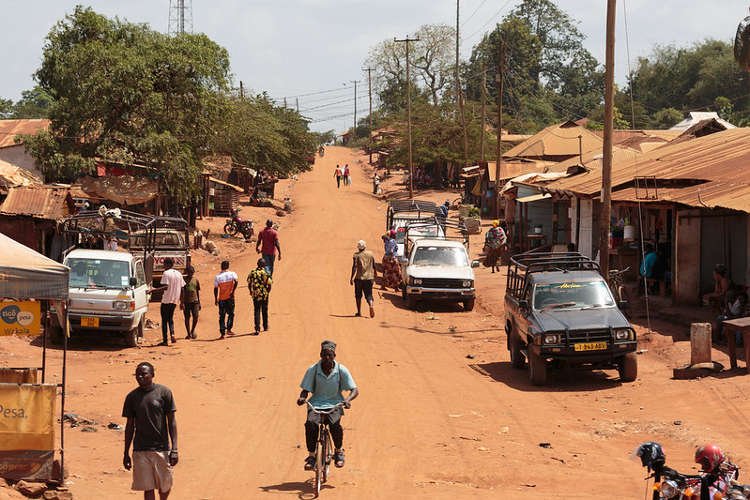
The system under pressure is not just health infrastructure, but health financing and access. Across Africa, large-scale investments in tertiary hospitals often produce impressive facilities in capital cities, while primary healthcare centres in rural areas remain understaffed, under-equipped, and overstretched.
When this imbalance persists, access to care quietly becomes conditional on geography, income, and mobility.
In Tanzania, the risk is that specialised care concentrates in urban referral hospitals while rural women, people with disabilities, and low-income households remain effectively priced out.
A modern hospital in Dar es Salaam does little for a pregnant woman in a remote district if referral pathways are weak, transport costs are high, and local clinics lack basic capacity. When health systems tilt too heavily towards tertiary care, inequality is reorganised.
Health is not a privilege reserved for those who can travel or pay; it is a right. That right is realised not only through advanced equipment and AI tools, but through financing mechanisms that protect the poor, insurance systems that work in practice, and strong primary healthcare that catches illness early rather than late.
Responsibility for ensuring this balance lies with the Ministry of Health and national health insurance authorities. Their task is not only to deliver visible infrastructure, but to demonstrate that public spending reduces inequality rather than deepens it.
This means showing, transparently, who receives subsidised care, from which regions, and under what criteria. It also means expanding primary care alongside tertiary upgrades so that prevention, maternal health, disability services, and rural access are not treated as secondary concerns.
Citizens should engage these reforms with interest, but also with scrutiny. Tracking who benefits from subsidised treatment, questioning whether rural facilities are receiving commensurate investment, and demanding data on access are crucially important.
Tanzania’s health investments could mark a genuine turning point. But progress measured only in buildings, machines, and international accreditation risks becoming progress that exists on paper rather than in people’s lives.
The real test of reform will be whether the poor, the rural, and the marginalised are healthier because of it.